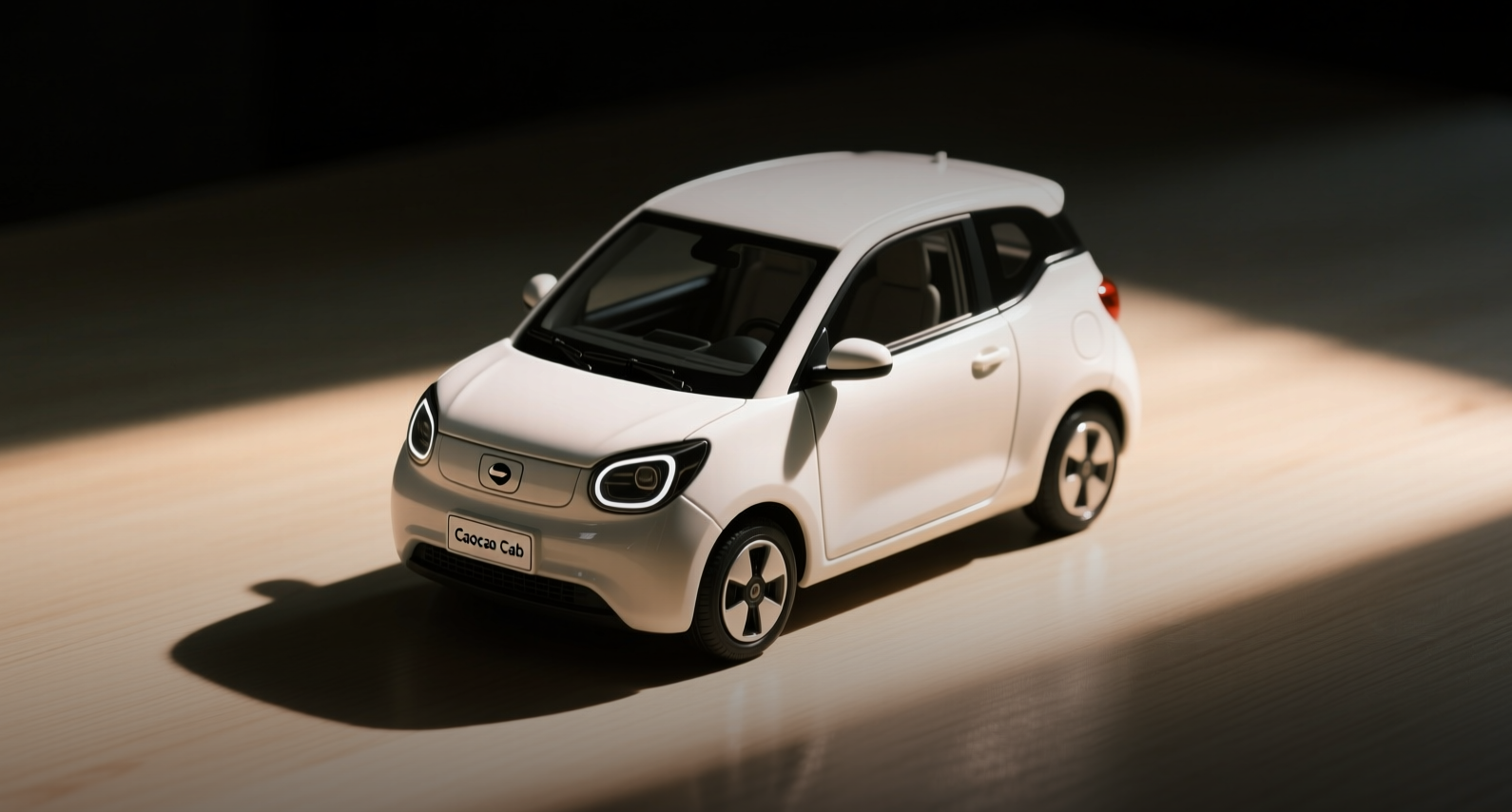
Geely-backed Caocao Mobility began unmanned robotaxi testing in Hangzhou, becoming the city's first operator approved for driverless road trials.
Geely-backed Caocao Mobility launched driverless robotaxi testing in Hangzhou on July 27, joining a race to deploy 705,000 autonomous vehicles across China by 2030, according to Goldman Sachs.
"Technology gets robotaxis on the road, but operations determine how far they can scale," Han Feng, chief operating officer of GAC-backed ride-hailing platform OnTime, said.
The tests operate in Hangzhou's Binjiang district without a safety driver in the front seat, with vehicles dispatched via designated stations and connected to the Caocao Zhixing RAS Remote Safety Service Platform for real-time monitoring and remote assistance. The company received approval in April as Hangzhou's first enterprise authorized for unmanned intelligent connected vehicle road testing.
Caocao's RoboX strategy, unveiled in June, targets deploying 100,000 robotaxis and 100,000 autonomous delivery vans across China by 2030, using the Eva Cab built on Geely's SEA architecture with in-house hardware, self-driving algorithms and fleet-dispatching systems.
The push for mass-produced robotaxis represents a critical shift from the industry's earlier retrofit approach. SAIC Motor's mobility arm plans a mass-produced robotaxi in 2027 built on an IM Motors electric platform and powered by Momenta's autonomous driving system. XPeng completed its first internal robotaxi ride in July and plans to launch a pilot service in Guangzhou in the third quarter of 2026.
Dedicated Level-4 players have accumulated significant commercial mileage. Baidu's Apollo Go logged 3.2 million fully autonomous orders in the first quarter, with cumulative global orders surpassing 22 million across 27 cities. Pony.ai's global fleet exceeded 1,700 vehicles, with first-quarter revenue jumping 395.4 percent year-on-year. WeRide's fleet stands at roughly 1,300 vehicles, averaging more than 17 orders per vehicle daily in China and peaking at 28 orders.
Cost Reductions Narrow the Gap With Human-Driven Vehicles
Enhanced operational efficiency and manufacturing technology advances have reduced costs across the sector. Goldman Sachs raised its 2026 China robotaxi fleet estimate from 13,000 to 14,000 vehicles in April, while upgrading its 2030 forecast from 632,000 to 705,000 units. The bank projects China's fleet will expand to 3.1 million vehicles by 2035, accounting for more than half the world's total robotaxi fleet.
Zhao Chenhui, chief technology officer of Caocao's RoboX division, said algorithm performance is no longer the sole competitive battleground. Future competition hinges on trusted vehicle-operation integrated mobility systems, with platform traffic data helping transform Level-4 autonomous driving from showcase trials into everyday consumer transportation services.
Geely's autonomous driving credentials strengthen with Caocao's milestone, intensifying competition against Baidu, Pony.ai and WeRide in China's robotaxi sector. Successful unmanned testing may attract more partnerships and regulatory approvals, potentially boosting investor interest in the autonomous driving ecosystem. Geely shares could benefit as the market prices in the expanded commercial potential of its mobility arm.
This article is for informational purposes only and does not constitute investment advice.