

Key Takeaways:
- US CPI fell 0.4% month-over-month in June, the largest decline since 2020
- Bitcoin surged 6% to reclaim $64,535 as risk appetite returned
- Over $435 million in crypto liquidations swept markets in 24 hours
Key Takeaways:
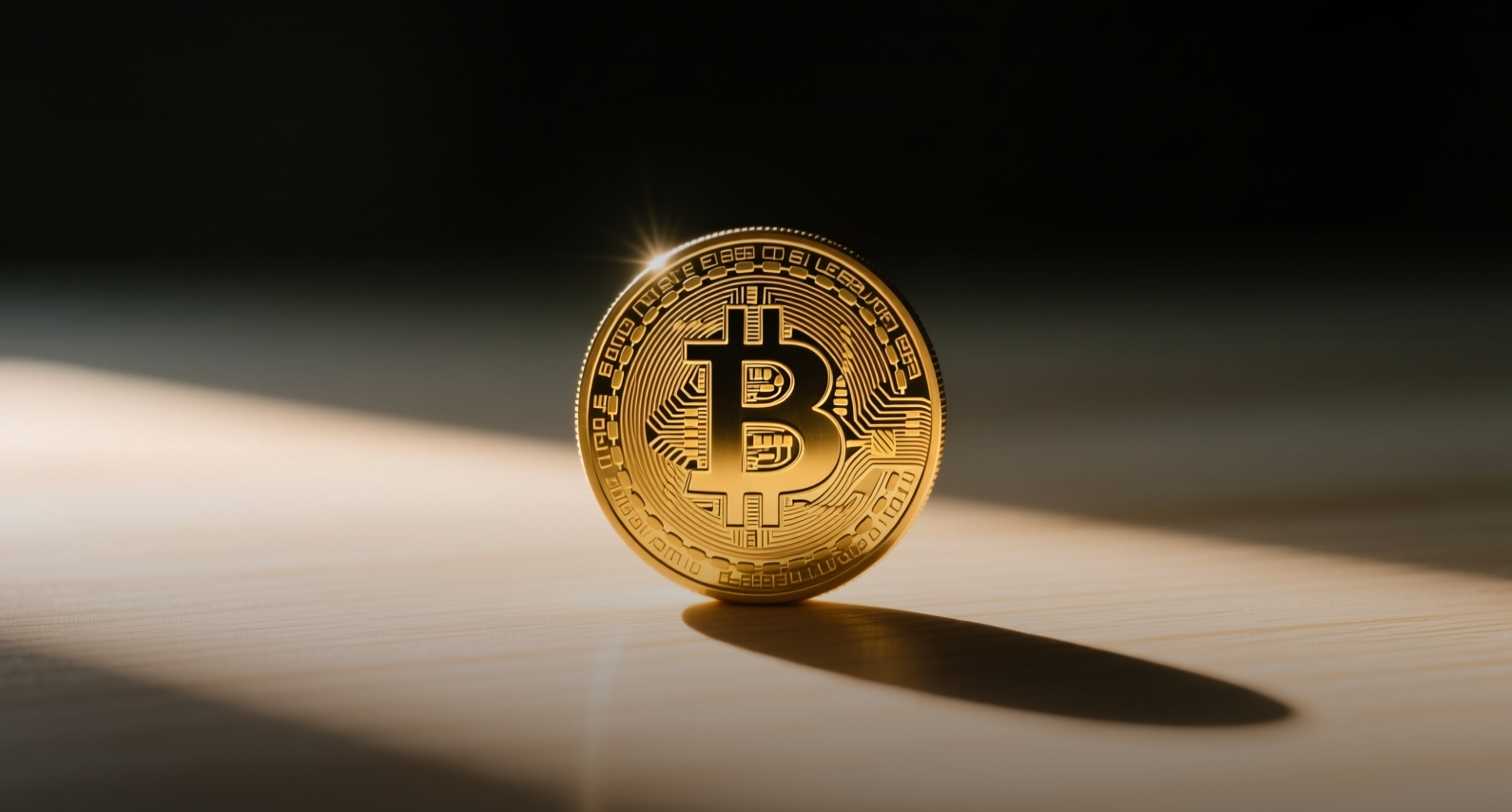
Bitcoin rose 6% to $64,535 on Tuesday after US inflation posted its steepest monthly decline in four years, cooling expectations for further Federal Reserve tightening and reigniting demand for risk assets.
"This reading is very much in the camp that the inflation we've had this year is transitory. Yes, gas prices went up, but nothing else did, more or less," Michael Metcalfe, head of macro strategy at State Street Markets, said.
The Labor Department reported the consumer price index dropped 0.4% from May to June, the largest monthly decline since 2020. Annual inflation slowed to 3.5% from 4.2% in May, below consensus estimates. Core prices, excluding food and energy, were unchanged month-over-month and rose 2.6% from a year ago — still above the Fed's 2% target but trending lower.
The benign inflation print gives the Federal Reserve breathing room to hold its benchmark rate at 3.6% through year-end, according to Kathy Bostjancic, chief economist at Nationwide Financial. Bitcoin's next resistance sits at $66,000, with support at $62,000, as traders watch for any escalation in Middle East tensions that could reverse the macro tailwind.
The rally lifted the broader crypto market. Ethereum gained to $1,872, Solana climbed to $76.99, and XRP rose to $1.10. Dogecoin and Shiba Inu each advanced roughly 6%, tracking the broader risk-on move.
Coinglass data shows 86,420 traders were liquidated across centralized exchanges in the past 24 hours, totaling $435.03 million. The bulk of the liquidations hit short positions, suggesting the move caught leveraged bears off guard as momentum-driven buying accelerated.
The macro catalyst was unambiguous: the June CPI report showed falling gas prices, declining clothing costs, and cooling apartment rents drove the broad-based deceleration. Electricity prices, which had been elevated by surging demand from data centers, fell 1% month-over-month. Walmart separately announced price rollbacks on thousands of items including ground beef, potato chips, and toys, adding to evidence that consumer-facing inflation is easing.
Yet risks remain. Brent crude oil climbed 4.6% to $87.13 a barrel on Tuesday after the United States and Iran each claimed control of the Strait of Hormuz, a chokepoint for about one-fifth of global oil supply. Gas prices have already risen 6 cents a gallon in the past week to a national average of $3.86, according to AAA data. A sustained energy price spike could reverse the disinflation trend and pressure the Fed to reconsider its hold stance.
Fed Chair Kevin Warsh, testifying before the House Financial Services Committee on Tuesday, said the central bank has "no tolerance" for high inflation but offered no specific guidance on the timing of any rate move. Minutes from the Fed's June 16-17 meeting showed policymakers roughly evenly split between those favoring a rate hike by year-end and those willing to wait for further disinflation evidence.
Bitcoin's open interest and funding rates will be closely watched in the coming sessions to gauge whether the rally has legs or risks a snapback if Middle East tensions escalate further.
This article is for informational purposes only and does not constitute investment advice.
