Yatırımcıların acımasız bir fiyat savaşının pazarı iyi finanse edilmiş birkaç lider etrafında konsolide edebileceğine dair bahis oynamasıyla, Zhipu AI öncülüğündeki %9'luk artışla Çinli yapay zeka model üreticilerinin hisseleri yükseldi.
Yatırımcıların acımasız bir fiyat savaşının pazarı iyi finanse edilmiş birkaç lider etrafında konsolide edebileceğine dair bahis oynamasıyla, Zhipu AI öncülüğündeki %9'luk artışla Çinli yapay zeka model üreticilerinin hisseleri yükseldi.
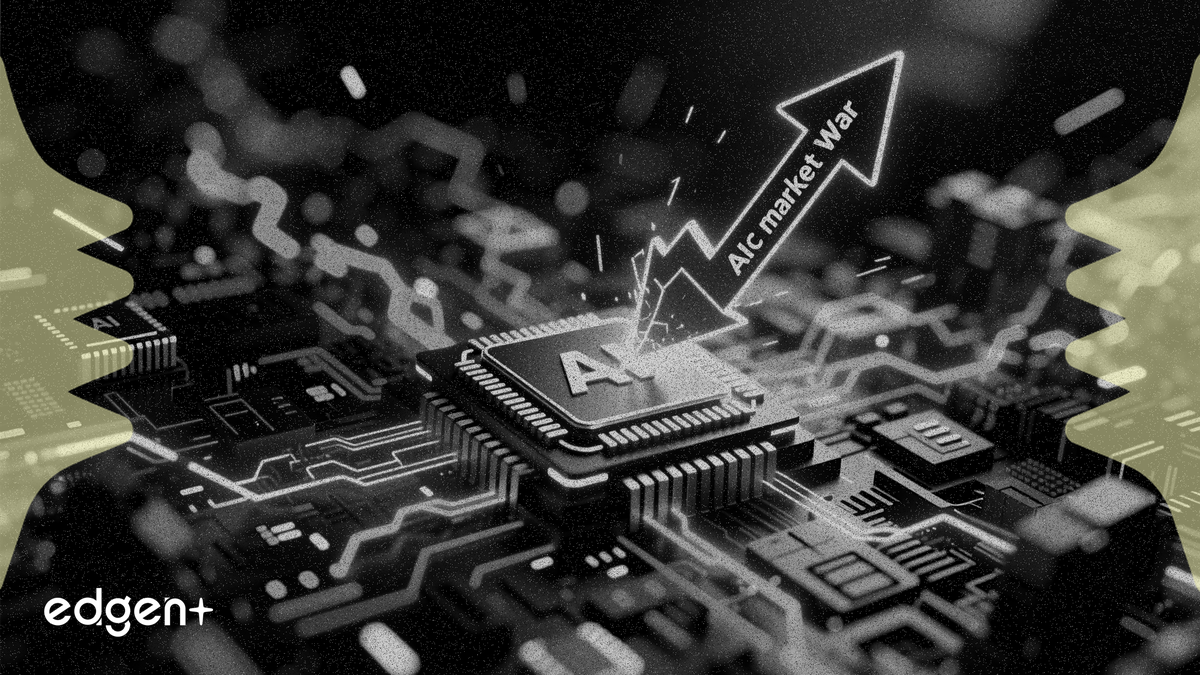
Çinli yapay zeka geliştiricilerinin hisseleri Pazartesi günü yükseldi; yatırımcıların şiddetli bir fiyat savaşını marjlar üzerinde bir yükten ziyade piyasa konsolidasyonu için bir katalizör olarak yeniden değerlendirmesiyle Zhipu AI %9 artışla yeni bir zirveye ulaştı.
Bu ralli, sadece iki ay öncesine göre keskin bir dönüşe işaret ediyor ve yatırımcıların, Pekin'in teknolojik kendi kendine yeterlilik hamlesinden büyük ölçüde etkilenen bir piyasada uzun vadeli potansiyel kazananlar olarak görülen şirketleri tercih ederek daha seçici hale geldiğini gösteriyor. Son raporlarda alıntılanan fon yöneticilerine göre, piyasa henüz politika desteğinin bu teknoloji hisselerinin karlılığı üzerindeki etkisini tam olarak fiyatlamadı.
Önde gelen bir büyük dil modeli geliştiricisi olan Zhipu AI, Hong Kong'daki öğleden sonra işlemlerinde hisselerinin %9 artışla 1400 HK$'ın üzerinde kapandığını gördü. Rakip MiniMax aynı gün %7'den fazla yükseldi. Bu hareket, rakip DeepSeek'in agresif fiyatlı yeni modelinin lansmanının Zhipu ve MiniMax hisselerini %8 ila %9 oranında düşürdüğü Nisan ayı başlarıyla keskin bir tezat oluşturuyor.
Kazançlar, yatırımcı düşüncesinde marj erozyonu korkusundan, fiyat savaşının birkaç hakim oyuncunun ortaya çıkışını hızlandıracağına dair bahislere doğru bir kaymaya işaret ediyor. Bu durum, genel tüketici ekonomisi yavaşlarken bile yarı iletkenden yazılıma kadar Çin'in yapay zeka tedarik zincirine yatırım akışları devam ederken gerçekleşiyor ve bir analistin "çok, çok dengesiz" olarak adlandırdığı bir piyasa yaratıyor.
Rallinin arka planında küresel olarak en agresif yapay zeka fiyat savaşlarından biri yer alıyor. Geçen hafta, Hangzhou merkezli girişim DeepSeek, amiral gemisi V4-Pro modelinde lansmanından sadece bir ay sonra %75 indirimi kalıcı hale getirdi. Bu hamle, API çıktı token fiyatını milyon token başına sadece 0,87 $ seviyesine sabitledi.
Bu fiyatlandırma, Batılı rakiplerin fiyatlarını önemli ölçüde kırmaktadır. Aynı iş yükü için OpenAI'ın GPT-5.5'i milyon token başına yaklaşık 30 $ ile yaklaşık 35 kat daha pahalıyken, Anthropic'in Claude Opus 4.7'si yaklaşık 25 $'a mal oluyor. Maliyet yapısı, yerleşik oyunculara doğrudan bir meydan okumadır ve Çin platformlarında yeni bir yapay zeka ajanı uygulamaları kategorisini ekonomik olarak uygulanabilir kılmaktadır. DeepSeek'in hamlesi başlangıçta yatırımcıları ürkütse de, piyasa artık bunu rekabet ortamının belirleyici bir özelliği olarak görüyor ve yalnızca en verimli ve iyi sermayelendirilmiş firmaların hayatta kalabileceği bir ölçek yarışını zorunlu kılıyor.
Yoğun rekabet, daha geniş bir hükümetin teknolojik kendi kendine yeterlilik görevi ortamında yaşanıyor. Bu ulusal öncelik, ekonominin diğer sektörleri zorlanırken bile yerli donanım ve yazılım firmalarına sermaye akışını sağlayarak değerlemelerini destekledi. Bu eğilim, anakara ve Hong Kong piyasaları arasındaki ayrışmaya yansıyor; teknoloji ağırlıklı CSI300 endeksi bu yıl yaklaşık %5 artarken, daha geniş Hang Seng Endeksi çok az değişti.
Bu politika odaklı yatırım tezi, giderek daha seçici bahislerin yapılmasına yol açıyor. Örneğin Morgan Stanley, geçtiğimiz günlerde Zhipu AI, MiniMax ve Alibaba için "ağırlık artır" (overweight) çağrısı yaparak rekabet ortamında yön bulma yeteneklerine olan güvenini gösterdi. Fiyat savaşı yapay zeka hizmetlerini daha erişilebilir hale getirdikçe, yatırımcıların odağı artık hangi şirketlerin gerçek müşteri tutma yeteneği sergileyebileceğine ve düşük maliyetli çıkarım üzerine sürdürülebilir iş modelleri inşa edebileceğine kayıyor.
Bu makale yalnızca bilgilendirme amaçlıdır ve yatırım tavsiyesi teşkil etmez.
