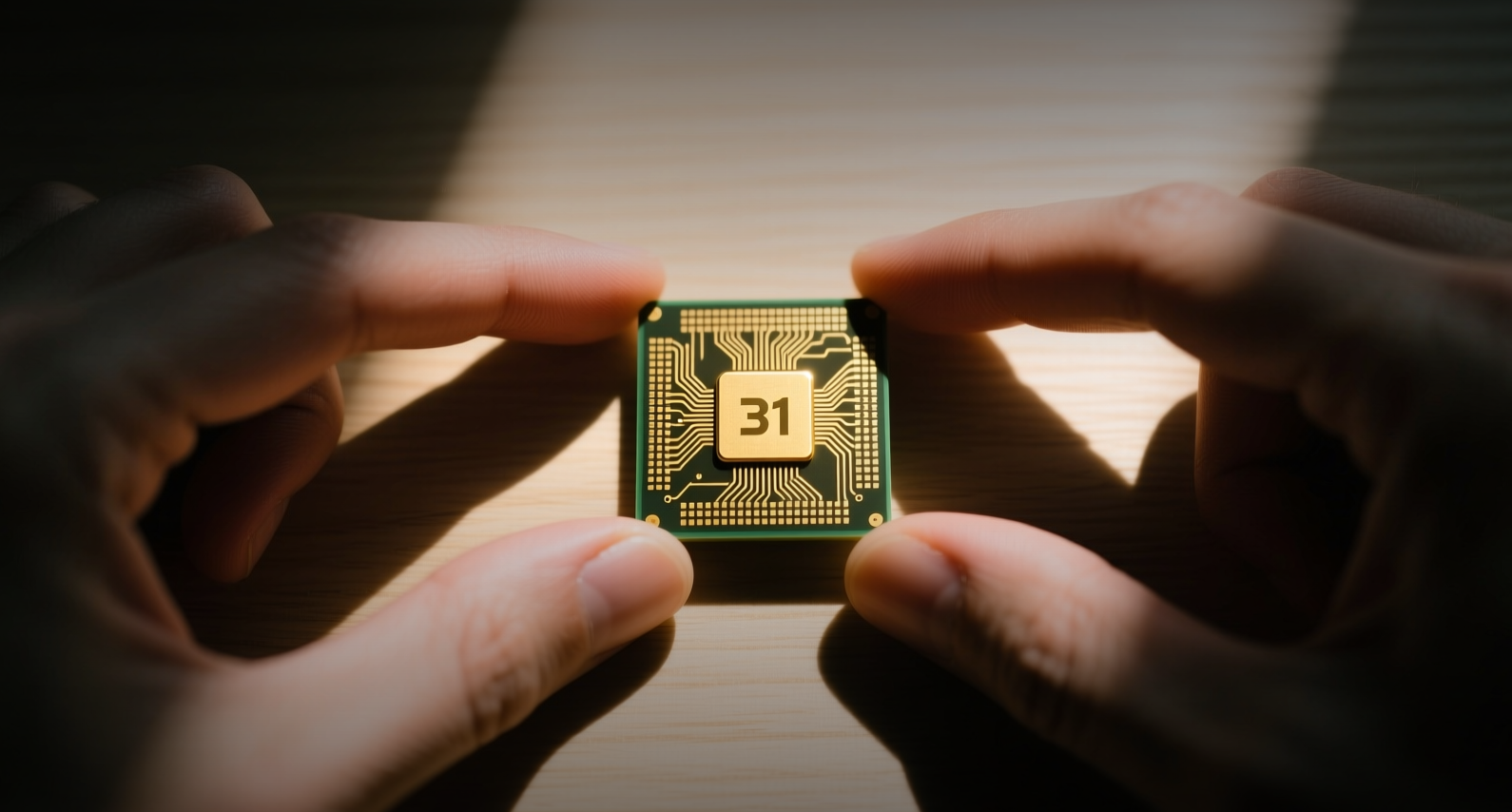
Z.AI built a 1-gigawatt data center running entirely on Chinese-made chips, bypassing Nvidia.
Z.AI has completed a 1-gigawatt data center powered exclusively by domestically produced chips, marking the largest known AI training facility built without Nvidia hardware.
"The site has begun partial operations to support development of Z.AI's GLM platform," a person familiar with the matter said.
The hub's 1GW capacity is enough to power roughly 750,000 homes at any given moment. Z.AI has built or operates several computing clusters within the facility, each holding more than 10,000 chips — none of them supplied by Nvidia, according to the person.
The buildout demonstrates that Chinese AI labs can scale frontier model training using domestic silicon, challenging the assumption that US export controls on Nvidia's most advanced processors would cripple China's AI ambitions. The question now is whether homegrown parts can match the training efficiency of Nvidia's ecosystem, not just power the hardware.
The company, formerly known as Zhipu, did not disclose which domestic chips power the facility. China's leading AI accelerator designers include Huawei Technologies Co., Cambricon Technologies Corp. and Alibaba Group Holding Ltd., all competing to close the performance gap with Nvidia's H100 and B200 processors. Huawei's Ascend series is considered the most mature alternative, though independent benchmarks remain scarce.
The timing highlights the urgency behind China's push for chip self-sufficiency. Days before Z.AI's announcement, Beijing-based Moonshot AI paused new sign-ups for its Kimi K3 model — which had matched top US models in benchmarks — after running short of computing capacity. The incident showed the fragility of relying on imported hardware in a constrained supply environment and highlighted the strategic value of owning the infrastructure.
A $295 Billion National Buildout
Z.AI's data center is part of a broader national effort. China plans to spend roughly 2 trillion yuan, or about $295 billion, over five years on data center infrastructure across the country, with cloud giants Alibaba and China Telecom leading construction so far. The scale of investment reflects Beijing's determination to build an independent AI supply chain, from chip design to model training.
The company has the financial firepower to compete. Fresh from a Hong Kong listing and a follow-on share sale, Z.AI is on track to reach $1 billion in annual recurring revenue, which would make it the first Chinese AI firm to hit that milestone. Its shares jumped almost 20% on the day of the announcement, giving it a market valuation that positions it as China's answer to Anthropic in the enterprise AI space.
Stitching thousands of domestic chips into a stable training system presents its own engineering hurdles. Nvidia's CUDA software platform gives it a significant advantage in cluster reliability and utilization rates, a gap that Chinese chipmakers are working to close through open-source alternatives such as Alibaba's THAI project.
For investors, the implications cut both ways. Nvidia shares have already priced in a China revenue headwind since export controls tightened, but a working 1GW cluster built entirely on domestic silicon suggests the revenue loss could become permanent. Domestic chip designers like Huawei and Cambricon stand to capture a share of what was once Nvidia's addressable market in China. Z.AI, trading at a premium to US AI peers on a revenue basis, now carries the added risk of proving its domestic infrastructure can train models as efficiently as Nvidia-based clusters. The next GLM model release will serve as the first real test of whether the performance gap has narrowed enough to matter.
This article is for informational purposes only and does not constitute investment advice.