
Key Takeaways: Yemen's ambassador presses the Trump administration to tighten Houthi sanctions as Red Sea attacks cut Bab al-Mandab transits by roughly half.
Key Takeaways: Yemen's ambassador presses the Trump administration to tighten Houthi sanctions as Red Sea attacks cut Bab al-Mandab transits by roughly half.
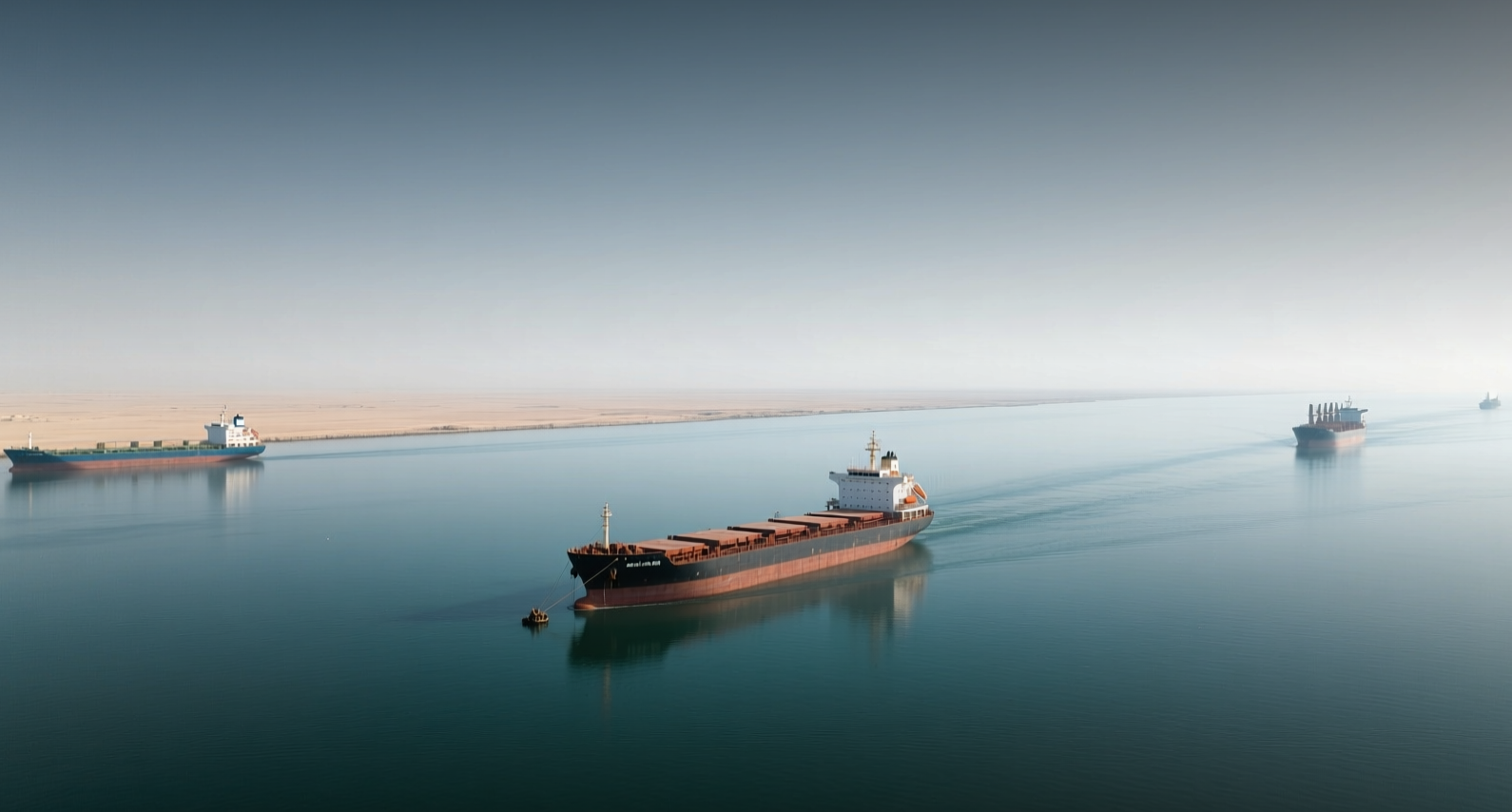
Yemen's ambassador to the U.S. urged Washington to expand Houthi sanctions and restore aid, as Red Sea attacks have cut Bab al-Mandab transits roughly 50 percent below normal, according to Kpler data.
"A stable Yemen, free of the Houthi threat, can be a strong, reliable partner to the U.S.," Jamila Ali Raja, Yemen's ambassador to the U.S., wrote in a Wall Street Journal op-ed published Aug. 25. "There is no stable Middle East without a stable Yemen."
Raja's appeal comes as the Houthis, an Iran-aligned militia, escalate attacks on commercial shipping. In July 2025, the group sank two bulk carriers in the Red Sea, killing four sailors and taking 10 merchant crew hostage. On July 20, the Houthis announced a naval blockade against Saudi Arabia and two days later claimed strikes on Saudi tankers Encelia and Layla. Kpler data shows Bab el-Mandeb transits running 40 to 50 percent below normal, while Strait of Hormuz traffic has collapsed to roughly 10 percent of pre-conflict levels, with as few as four vessels crossing on Aug. 24 against a baseline of 125 to 140.
The dual chokepoint disruption is pushing war-risk insurance premiums higher and forcing shipping lines to reroute around the Cape of Good Hope, adding 10 to 15 days to voyage times. Raja's three-part request — expand the Houthi foreign terrorist organization designation, sustain military support for Yemen's armed forces and coast guard, and restore humanitarian assistance — frames Yemen as a frontline partner in protecting a waterway that carries roughly 12 percent of global seaborne oil.
The op-ed arrives as the U.S.-Iran conflict enters its sixth month, with American strikes on Iranian territory occurring almost nightly since late July. The Houthis have served Tehran's broader strategy of weaponizing key shipping routes, and their attacks have extended beyond the Red Sea. The group's July 20 blockade announcement against Saudi Arabia and subsequent strikes on Saudi tankers demonstrate how pressure at one chokepoint can cascade to another.
Yemen's government has made economic progress that Raja says strengthens its case for partnership. The rial stabilized after the government moved the banking system to Aden, unified the transfer network, and took control of import financing. Billions of dollars have since moved through official channels into food, fuel, and medicine. Yemen also consolidated its intelligence services and established a dedicated counterterrorism agency.
On July 30 in Riyadh, Yemen and 13 other nations issued a statement establishing a multinational maritime defense alliance to protect waters off the Yemeni coast. "We didn't ask to be defended. We asked to serve," Raja wrote.
The Houthis' reach extends well beyond maritime attacks. The United Nations has verified more than 1,800 cases of child recruitment, and Yemeni monitors have documented thousands more. By obstructing vaccine deliveries and restricting immunization teams, the group has left nearly five million Yemeni children without routine vaccinations. More than 70 UN employees sit in Houthi detention, along with U.S. Embassy employees and dozens of aid workers.
The group has also attacked Marib, Hadramawt, Mocha, and Shabwa — key government-held areas — out of fear of the Yemeni army's success in unifying fronts, Raja wrote.
The simultaneous suppression of both Hormuz and Bab el-Mandeb represents a dual constraint on global energy logistics with no clear modern precedent. The Tanker War of 1984-1988 involved selective targeting of specific vessels, while the current environment reflects systemic suppression across all vessel categories and flags.
War-risk insurance premiums for Hormuz transits have escalated to levels that render many voyages commercially unviable. Since July 6, the UK Maritime Trade Operations has logged at least 23 confirmed projectile strike incidents on vessels in and around the strait. Some operators have resorted to dark shipping — deactivating AIS transponders — creating a data integrity gap that understates the true traffic picture.
For U.S. consumers, the costs show up in the price of nearly everything that reaches the country by sea. "Americans buying gasoline pay a premium, courtesy of the Houthi terrorists," Raja wrote.
The question now is whether Washington will act on Raja's requests. The Trump administration has already redesignated the Houthis as a foreign terrorist organization, but Raja argues enforcement remains incomplete. With Iran's regional influence weakening and its proxy in Yemen under pressure, the window for a decisive U.S. response may be narrowing.
This article is for informational purposes only and does not constitute investment advice.
