

XRP rose 11% to trade above $1.10 on Wednesday, outperforming Bitcoin, after the US Treasury doubled long-end debt buybacks and triggered a crypto short squeeze.
XRP rose 11% to trade above $1.10 on Wednesday, outperforming Bitcoin, after the US Treasury doubled long-end debt buybacks and triggered a crypto short squeeze.
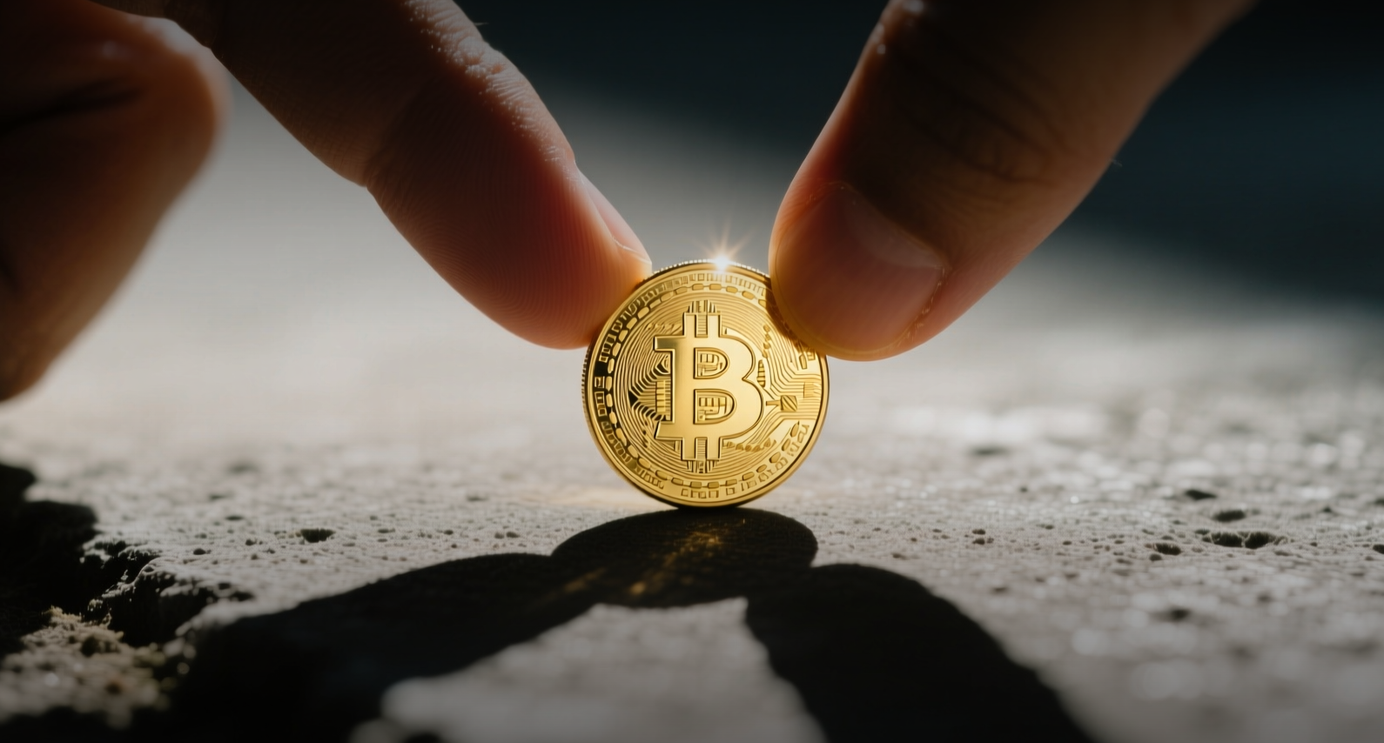
XRP rose 11% to trade above $1.10 on Wednesday, outperforming Bitcoin, after the US Treasury doubled long-end debt buybacks and triggered a crypto short squeeze.
"The easing in longer-dated Treasuries provides a more supportive backdrop for risk-taking and short-term speculation in crypto," Paul Howard, senior director at Wincent, said.
The Treasury said it would raise the ceiling on its liquidity-support buyback operations from $2 billion to at least $4 billion per operation, covering 10-to-20-year and 20-to-30-year securities effective Sept. 9. The 30-year yield, which had touched a 19-year high above 5.34 percent, fell to about 5.196 percent, and the move rippled through risk assets. XRP traded at $1.15 as of 04:56 UTC Thursday, up 14.7 percent over 24 hours, while Stellar's XLM rose 12.6 percent to $0.176, per CoinGecko. Bitcoin gained 11.8 percent to $71,950 and Ethereum climbed 19.2 percent to $2,280.
Derivatives data shows the rally was driven largely by forced buying. Total liquidations reached $1.44 billion across major exchanges within 24 hours, with $1.29 billion closing in a single hour and more than 110,000 traders wiped out, per Coinglass. Short liquidations outpaced longs by roughly 8.6 to 1, meaning mechanical short-covering rather than fresh conviction powered the move. XRP now faces resistance near $1.15, with support at $1.00; a loss of squeeze momentum could trigger a pullback before the Treasury's expanded buyback window closes Nov. 4.
The trigger was a traditional-finance move rather than a crypto-specific event. Treasury Secretary Scott Bessent announced the buyback expansion Wednesday as part of the department's quarterly refunding strategy, aimed at improving liquidity in the government bond market. The operation does not reduce total federal debt — every dollar spent buying long-dated paper is funded by issuing new short-term debt — but the yield compression lowered the opportunity cost of holding zero-yield assets like Bitcoin and XRP.
The short squeeze amplified the price action. Derivatives markets had leaned heavily short into the announcement, with short positions accounting for roughly 51 percent to 52 percent of open interest on Binance, OKX and Bybit. As Bitcoin climbed past $65,000, then $66,000 and $67,000, leveraged shorts hit liquidation prices, and automated engines forced buybacks that pushed prices higher in a self-reinforcing loop. The largest single position wiped out was a $32 million ETH-USD trade on Bitget.
Institutional money had already been building before the trigger. US spot Bitcoin ETFs recorded $487 million in net inflows during Aug. 17-18, with BlackRock's IBIT capturing $143.6 million on Aug. 18 alone, per data cited by Cryptonomist. That persistent bid sat under the market before the buyback news hit, giving the squeeze more room to run.
For XRP, the move extends a multi-day rally that began after the Treasury announcement. The token had held $1.00 support as exchange balances dropped, a signal that selling pressure was easing. Whether the breakout holds depends on whether organic spot demand replaces the mechanical short-covering that drove Wednesday's gains — and on the broader macro backdrop, with the Treasury's expanded buyback window running through Nov. 4 and the Federal Reserve's Jackson Hole symposium scheduled for Aug. 27-29.
This article is for informational purposes only and does not constitute investment advice.
