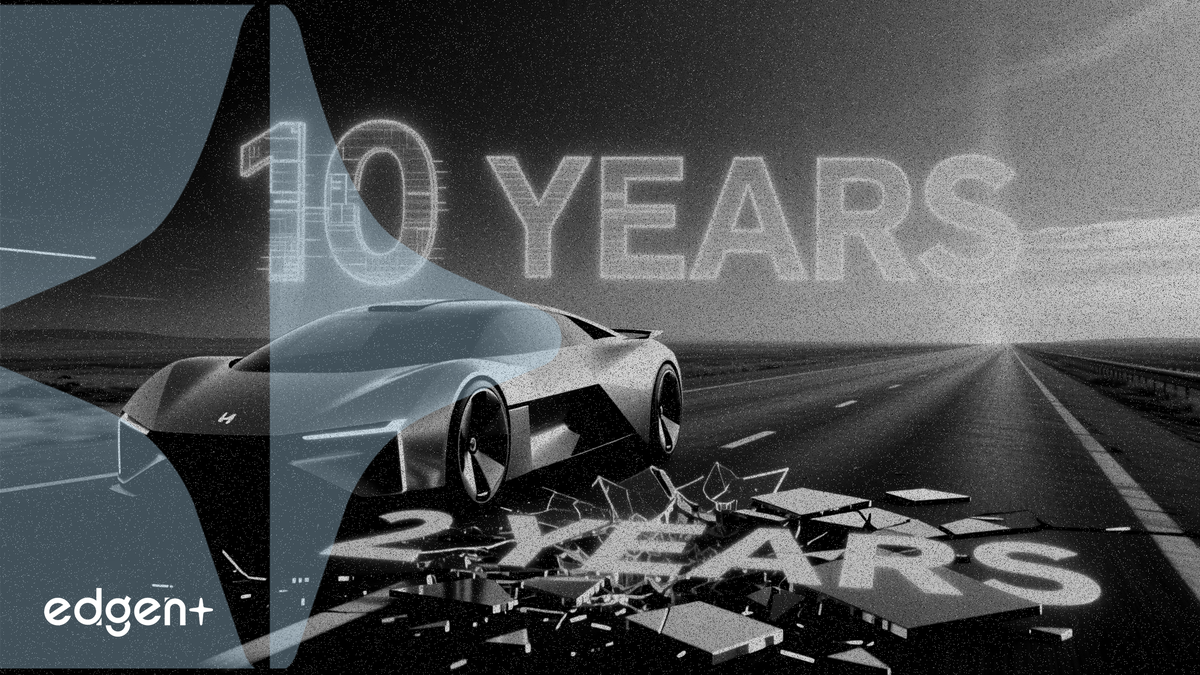
Chủ tịch kiêm CEO của Xpeng, ông He Xiaopeng, đã đưa ra lời cảnh báo đanh thép đối với ngành ô tô Trung Quốc, cho rằng việc không đổi mới vượt ra ngoài các mô hình bán hàng truyền thống có thể dẫn đến một "tình cảnh tương tự điện thoại thông minh" với nhu cầu tiêu dùng đình trệ. Ông đã làm giảm bớt những kỳ vọng về xe tự hành hoàn toàn, dự báo rằng tự hành Cấp độ 4 (L4) khó có thể được áp dụng nhanh chóng trong một đến hai năm tới nhưng sẽ đạt được trong vòng một thập kỷ tới.
"Nếu thị trường nội địa tiếp tục bán xe theo mô hình cũ, nó sẽ rơi vào tình cảnh tương tự như ngành điện thoại thông minh, với sự sẵn lòng thay thế xe của người tiêu dùng ngày càng giảm," He Xiaopeng nói. Ông lập luận rằng bước nhảy vọt thực sự sẽ là việc hiện thực hóa tự hành L4, điều này sẽ cho phép người dùng tránh phải chạm vào vô lăng thường xuyên trong hơn 90% quãng đường của họ.
Những bình luận của CEO này cung cấp một liều thuốc thực tế khi làn sóng các nhà sản xuất xe điện Trung Quốc đang đẩy mạnh hướng tới các cấp độ tự động hóa cao hơn. Trong khi Xpeng đang phát triển công nghệ của mình theo tiêu chuẩn L4, He ước tính rằng nó có nhiều khả năng được thương mại hóa ở nước ngoài trước khi được áp dụng rộng rãi ở Trung Quốc. Điều này phù hợp với xu hướng rộng lớn hơn của các thương hiệu EV Trung Quốc như BYD, Chery và Nio khi sử dụng thị trường quốc tế làm bãi thử nghiệm.
Tầm nhìn của He về tương lai gắn liền trực tiếp với chiến lược sản phẩm mới nhất của Xpeng. Công ty gần đây đã ra mắt mẫu SUV hàng đầu mới của mình, GX, có giá từ 279.800 nhân dân tệ (41.144 USD). GX đóng vai trò là phần cứng nền tảng cho robotaxi của Xpeng, đây là mẫu xe đầu tiên tại Trung Quốc được sản xuất hàng loạt hoàn toàn nội bộ, bao gồm cả phần cứng và phần mềm. Chiếc xe dựa trên một "giải pháp thị giác thuần túy" được cung cấp bởi bốn chip Turing AI độc quyền và mô hình AI đầu-cuối VLA 2.0 của công ty, loại bỏ các cảm biến LiDAR đắt tiền hơn được nhiều đối thủ sử dụng.
Con đường đến Robotaxis
Sự tập trung của Xpeng vào việc tích hợp theo chiều dọc và hệ thống dựa trên thị giác là một thách thức trực tiếp đối với các đối thủ như Tesla và Geely. Bằng cách tận dụng nền tảng người dùng GX hiện có, công ty đặt mục tiêu giảm chi phí và đẩy nhanh việc phát triển đội xe gọi xe tự hành của mình. Công ty có kế hoạch bắt đầu các hoạt động thí điểm vào nửa cuối năm 2026, với mục tiêu đạt được hoạt động hoàn toàn không có sự giám sát mà không cần người lái an toàn tại chỗ vào đầu năm 2027.
Khoản đặt cược dài hạn này vào quyền tự hành trái ngược với các động lực thúc đẩy doanh số hiện tại của công ty. Trong khi mẫu GX cao cấp và các robotaxi tương lai đại diện cho những tham vọng công nghệ của công ty, Xpeng vẫn tiếp tục phụ thuộc nặng nề vào các mẫu xe giá thấp hơn để duy trì khối lượng. Mẫu sedan M03, được bán dưới thương hiệu phụ MONA giá cả phải chăng, có giá khởi điểm từ 119.800 nhân dân tệ và chiếm hơn một nửa tổng doanh số của Xpeng trong tháng 4, theo dữ liệu từ Dcar.
Một thị trường đang chuyển đổi
Những nhận xét của He Xiaopeng làm nổi bật ngã rẽ chiến lược mà các nhà sản xuất ô tô Trung Quốc đang đối mặt. Thị trường nội địa đang chuyển từ một cuộc chiến giá cả khốc liệt sang một giai đoạn cạnh tranh mới tập trung vào các tính năng cao cấp, nhận thức thương hiệu và công nghệ tiên tiến. Các đối thủ cũng đang tiến lên phân khúc cao cấp hơn, với việc BYD trình làng mẫu SUV Denza N9 nâng cấp và Li Auto ra mắt mẫu SUV L9, tạo ra một sân chơi đông đúc cho những người mua giàu có.
Đối với các nhà đầu tư, những bình luận của He gợi ý một chiến lược dài hạn tập trung vào việc đạt được một hào kỹ thuật đáng kể trong lĩnh vực tự hành, ngay cả khi doanh số ngắn hạn vẫn phụ thuộc vào các mẫu xe thân thiện với ngân sách. Ông tin rằng những đột phá trong AI vật lý, đặc biệt là trong robot, cuối cùng sẽ thúc đẩy việc thực hiện tự hành. Cổ phiếu của Xpeng, vốn đã chứng kiến sự quan tâm bán khống đáng kể chiếm hơn 28% khối lượng, có thể bị ảnh hưởng khi các nhà đầu tư cân nhắc tầm nhìn thập kỷ này với những áp lực thị trường tức thời hơn và chiến lược đường đôi của công ty trong việc theo đuổi cả các liên doanh công nghệ cao và doanh số thị trường đại chúng.
Bài viết này chỉ mang tính chất thông tin và không cấu thành lời khuyên đầu tư.