
Windrose Technology, an electric big rig startup that raised $400 million to challenge Tesla's Semi, is in disarray with unpaid wages, a federal lawsuit, and a missing $285,000 truck.
Windrose Technology, an electric big rig startup that raised $400 million to challenge Tesla's Semi, is in disarray with unpaid wages, a federal lawsuit, and a missing $285,000 truck.
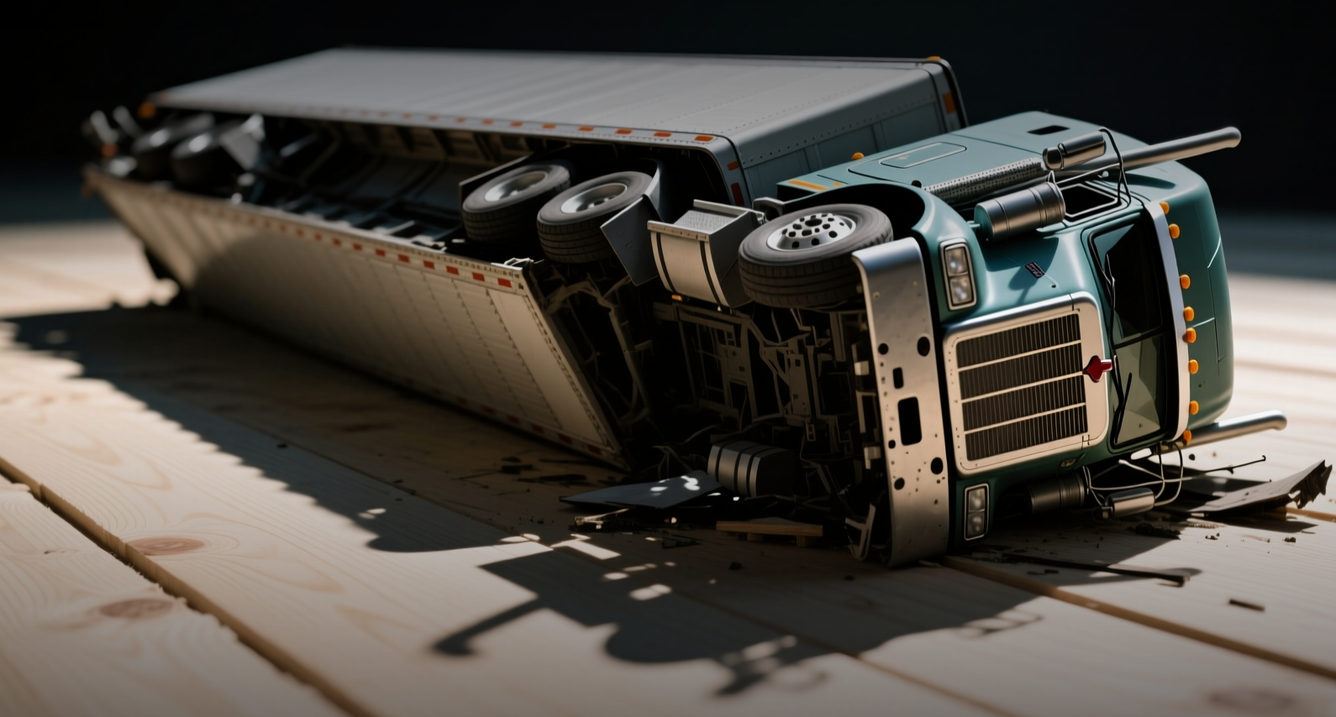
Windrose Technology, an electric big rig startup that raised $400 million to challenge Tesla's Semi, faces a $413,000 federal judgment for unpaid wages, a missing truck and US regulatory scrutiny over mislabeled vehicles.
"These are growing pains, not a sign of failure," Chief Executive Wen Han, a 36-year-old Stanford MBA, said. Han disputed the wage claims as "unfounded" and said the company will be profitable by year-end.
The troubles extend beyond payroll. A Michigan labor regulator ordered Windrose to pay almost $10,000 in back wages. The National Highway Traffic Safety Administration is probing at least two trucks whose Vehicle Identification Numbers identify them as made in Georgia when they were built in China, a potential violation carrying a civil penalty of nearly $28,000 each. One truck valued at $285,000 remains unaccounted for.
The disarray threatens Han's plan to take Windrose public via a SPAC merger this year. The company has deployed 36 trucks globally and secured orders for more than 150 vehicles across the US, Norway, Chile and Australia. But former employees question where the capital went.
Han launched Windrose in 2022 after spotting an opportunity in the nascent electric trucking sector. Battery-electric vehicles accounted for just over 10 percent of the 2.4 million heavy-duty rigs produced globally last year, according to S&P Global Mobility. Windrose's R700 truck promises twice the driving range of Daimler or Volvo's electric models at a price about $100,000 less than competitors.
The company raised capital from venture firms and hedge funds in the US and China, none of which returned requests for comment. Han said he has $100 million in equity and $200 million in credit lines, with plans to raise an additional $100 million. "The key is not to have a huge cash balance in the bank, but to use the cash well and reach profitability," he said.
Internal chaos mounts
Former employees describe a pattern of delayed paychecks and broken promises stretching back to last year. Internal chat logs reviewed by the Wall Street Journal show Han acknowledging payroll delays and asking staff to wait. "I'm doing everything I can to get $$$ in this week," Han wrote in one exchange. "If you find that unsustainable, I wouldn't blame you for needing to look for other opportunities."
Jason Gies, the former head of North American operations, filed a federal lawsuit after being fired days after demanding unpaid wages through an attorney. A judge ordered Windrose to pay $413,000 in January. Han said he will contest the judgment and claimed Gies was fired for cause. Two other former employees, Travis Waite and Harold Keller, say they are owed a combined $91,000 and have refused to help locate the missing truck until they are paid.
Regulatory and competitive headwinds
The VIN mislabeling issue raises compliance questions. Jason Roycht, a former Windrose consultant and Nikola veteran, said the mislabeled VINs call into question the information the company provides to regulators, including about the trucks' safety. "A botched VIN label is a middle finger to the whole process," Roycht said.
Han blamed the VIN issue on a former employee and said Windrose has been "ultra clear" that the trucks came from China. He said future trucks would be registered correctly.
The company's aggressive expansion has included a pledge of $15 million to Stanford University, contingent on Windrose going public, and promises of a truck factory in France that earned Han a photo with President Emmanuel Macron. In Belgium, he sponsored a basketball team near Windrose's Antwerp headquarters.
Windrose's troubles echo the collapse of Nikola, which went public via a SPAC in 2020 before fraud allegations wiped out billions in market value. While Windrose has not faced similar fraud claims, the combination of unpaid wages, regulatory scrutiny and a missing asset raises questions about its ability to execute on a SPAC merger this year. Tesla's Semi, meanwhile, has begun deliveries, and established manufacturers Daimler and Volvo are scaling their electric truck production. Windrose must resolve its operational and regulatory issues before it can credibly compete for the $100,000-per-truck cost advantage it claims.
This article is for informational purposes only and does not constitute investment advice.
