
Federal Reserve nominee Kevin Warsh’s call for a "regime change" at the central bank during a contentious Senate hearing has introduced significant uncertainty for the future of U.S. monetary policy.
Federal Reserve nominee Kevin Warsh’s call for a "regime change" at the central bank during a contentious Senate hearing has introduced significant uncertainty for the future of U.S. monetary policy.
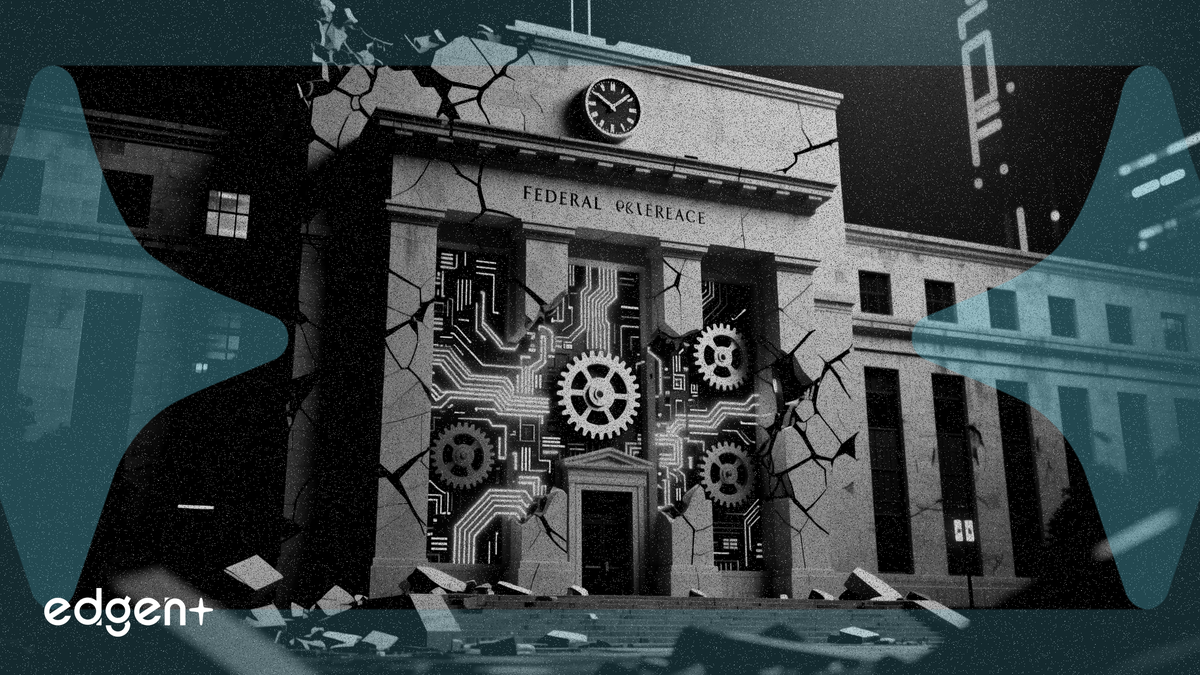
Federal Reserve Chair nominee Kevin Warsh signaled a sharp departure from the Jerome Powell era at his Senate confirmation hearing Tuesday, advocating for a "regime change" in policy and a smaller balance sheet even as he pledged independence from President Donald Trump's demands for lower rates.
"The Fed must stay in its lane," Warsh said in prepared testimony obtained by FOX Business, a warning against straying into fiscal and social policies where he said the central bank has "neither authority nor expertise."
The hearing highlighted deep political divisions over the Fed's future. The confirmation is complicated by Republican Senator Thom Tillis's vow to block the nomination until a Department of Justice probe into current Chair Powell is dropped, potentially leaving Powell in charge beyond his term's end on May 15.
At stake is the leadership of the world's most powerful central bank at a time of persistent inflation and geopolitical tension. A potential shift in the Fed's framework, from its inflation-fighting strategy to its communication style, could have significant repercussions for trillions of dollars in assets, with markets now forced to price in a new, less predictable policy era.
In his testimony, Warsh, who served as a Fed governor from 2006 to 2011, was sharply critical of the central bank's performance, stating the U.S. is "still dealing with the legacy of policy errors" from 2021 and 2022. He argued for a "new and different inflation framework" and a reform of the Fed's communication strategy, suggesting officials "opine" too much on future rate paths.
President Trump has been a vocal critic of Powell, repeatedly demanding lower borrowing costs. In an interview with CNBC just hours before the hearing, Trump said he would be "disappointed" if Warsh did not cut rates immediately upon confirmation. Warsh, however, told the committee that the president had never asked him to commit to any specific policy decision.
A core component of Warsh's proposed overhaul involves the Federal Reserve's balance sheet, which stands at approximately $6.7 trillion, according to recent data. Warsh has long argued the Fed holds too many bonds and has specifically targeted the central bank's $2 trillion in mortgage-backed securities (MBS) for liquidation.
He has promoted a theory that every $1 trillion reduction in the balance sheet is equivalent to a 50-basis-point hike in the policy rate, suggesting that shrinking the balance sheet could facilitate rate cuts. This view aligns with his belief that technological advancements like artificial intelligence will act as a "significant disinflationary force," creating room for monetary easing.
Warsh's path to confirmation is far from certain. The Senate Banking Committee, split 13-11 between Republicans and Democrats, faces a deadlock. Senator Thom Tillis has remained firm in his pledge to vote against any nominee until the DOJ ends its investigation into Powell over construction cost overruns at the Fed's headquarters. This leaves the committee at a 12-12 impasse, preventing the nomination from reaching the Senate floor.
This political standoff could see Jerome Powell remain as Fed Chair well beyond the nominal end of his term on May 15. While his chairmanship expires, his term as a Fed Governor runs until January 2028. Powell has stated he will not leave until the investigation is concluded and would serve as acting chair in the interim.
The situation was further inflamed by Democratic senators, with Elizabeth Warren labeling Warsh as Trump's "sock puppet" and grilling him on his personal wealth, which disclosures place between $135 million and $226 million. Warsh has agreed to divest assets valued at over $100 million if confirmed.
This article is for informational purposes only and does not constitute investment advice.

