
An AI agent sourced a product sample, compared suppliers, placed an order and paid for it — all within preset spending limits and without human intervention at each step.
An AI agent sourced a product sample, compared suppliers, placed an order and paid for it — all within preset spending limits and without human intervention at each step.
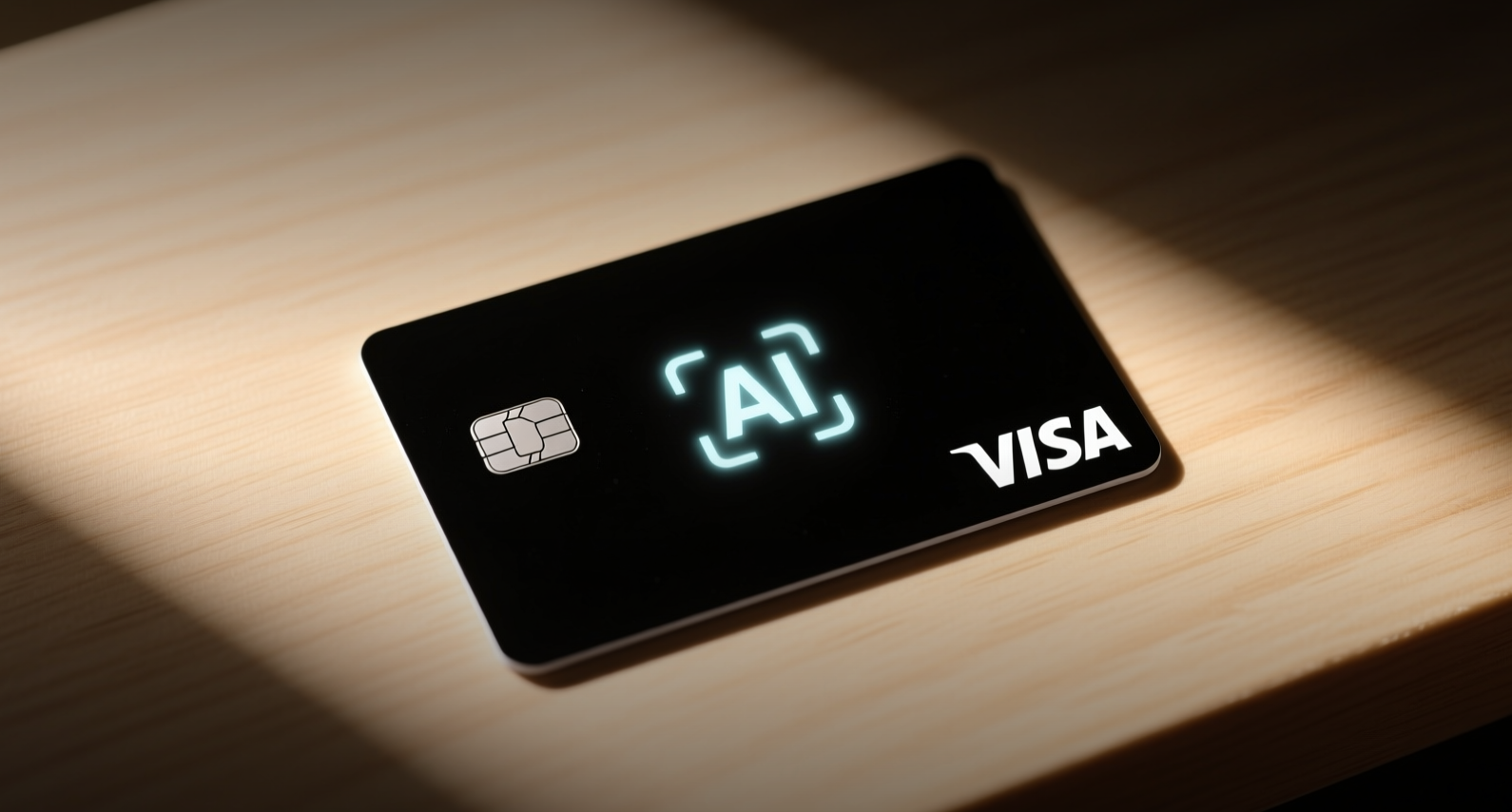
An AI agent sourced a product sample, compared suppliers, placed an order and paid for it — all within preset spending limits and without human intervention at each step.
Visa and Lianlian DigiTech completed the first live B2B agentic transaction in Greater China, using Lianlian's LoopXPay AI agent to handle procurement and payment in a single automated workflow, the companies said July 24. The agent identified a purchasing need, recommended suitable suppliers, compared options, placed the order and executed the payment, operating within pre-defined spending controls and approval parameters set by the business.
"AI-powered commerce experiences can help businesses simplify purchasing and payments while maintaining the controls and oversight they require," Darren Parslow, Global Head of Visa Commercial Solutions, said. "For SMBs, that means less complexity in managing day-to-day commercial activities and more time focused on growth."
The transaction served a small business that lacked a dedicated procurement team. LoopXPay sourced a product sample from a supplier and completed the purchase without the business needing to manually navigate sourcing, comparison and payment steps. The agent operated entirely within spending boundaries the business had pre-configured, preserving visibility into commercial decision-making while reducing manual effort.
The milestone addresses a structural problem for small and medium-sized businesses that often spend hours on routine procurement. By embedding AI agents into purchasing and payment workflows, companies can delegate repetitive tasks while retaining control through preset parameters. The transaction amount, product category and specific payment instrument were not disclosed.
Trust Infrastructure for Agent-Driven Commerce
As AI agents gain the ability to initiate and complete financial transactions, payment networks face a new challenge: verifying that the software entity requesting payment is authorized to do so. LoopXPay has been registered in Visa's Agentic Directory, a registry that lets participating businesses and merchants identify verified AI agents. The directory supports Visa's Trusted Agent Protocol, which provides identity verification, transparency and spending controls for agent-driven transactions.
"Trust will become a critical enabler of adoption" as businesses embed intelligence into purchasing and payment experiences, Parslow said. The Agentic Directory functions as an identity layer for AI agents — analogous to how payment networks verify cardholders and merchants today, but extended to software entities acting on behalf of businesses.
Lianlian, founded in 2009 and listed on the Hong Kong Stock Exchange in 2024 (stock code: 2598.HK), holds 68 payment licenses and related qualifications globally. It supports services across more than 200 countries and regions, enables settlement in over 140 currencies and connects with more than 180 e-commerce platforms, serving a cumulative 13.3 million customers.
Expanding Beyond Procurement
Visa and Lianlian plan to extend the agentic commerce framework to additional use cases, including procurement, digital advertising optimization and B2B platform payments. Lianlian is building an AI-native financial infrastructure that spans identity verification, transaction authorization, intelligent payment and global fund settlement.
"AI is reshaping the entire commercial value chain, where a growing number of business activities will be autonomously executed by AI agents, with payments serving as the critical infrastructure connecting them to global commerce," Zhang Zhengyu, Founder, Chairman and CEO of Lianlian DigiTech, said.
The collaboration positions Visa and Lianlian to compete in what Lianlian calls the "Agent Economy" — a market where autonomous AI systems handle commercial activities that previously required human procurement and finance teams. For payment networks, the battleground is shifting from processing transactions to providing the identity, trust and authorization infrastructure that allows AI agents to transact. Visa's Agentic Directory and Trusted Agent Protocol represent an early attempt to establish that standard.
For investors, the development signals that AI agents are moving beyond customer service and marketing into core financial operations. Lianlian's stock on the Hong Kong exchange could benefit from its early-mover position in agentic payments infrastructure, while Visa strengthens its role as a gatekeeper for AI-initiated transactions. The broader implication: as AI agents begin spending corporate money, the companies that control identity and authorization layers may capture more value than those processing the payments themselves.
This article is for informational purposes only and does not constitute investment advice.
