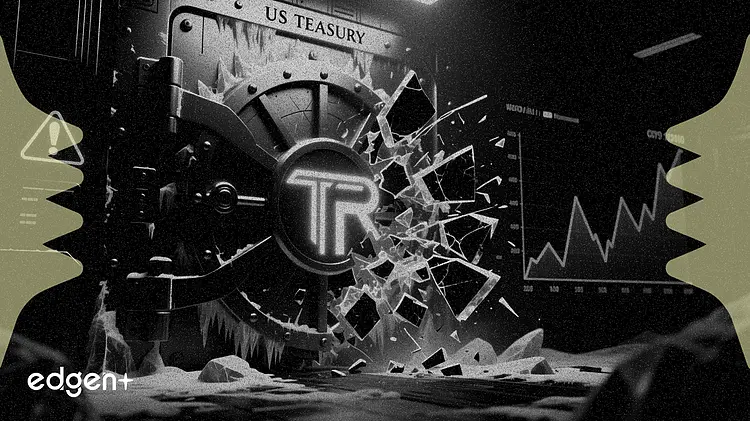
ABD Hazine Bakanlığı, Tron blokzincirinde İran bağlantılı 1 milyar dolarlık kripto parayı dondurarak dijital varlıklarda şimdiye kadarki en büyük yaptırım uygulamasına imza attı.
ABD Hazine Bakanlığı, Tron blokzincirinde İran bağlantılı 1 milyar dolarlık kripto parayı dondurdu. Hazine Bakanı Scott Bessent bunu 30 Mayıs'ta açıklarken, yaptırıma tabi taraflarla bağlantılı cüzdanlar karardı.
"Tahran'ın herhangi bir finansal kanal da dahil olmak üzere dijital varlıklar yoluyla fon üretme, taşıma ve geri gönderme kabiliyetini sistematik olarak zayıflatıyoruz" dedi Bessent bir açıklamada.
Hazine'nin Yabancı Varlıkları Kontrol Ofisi (OFAC), Nisan sonunda duyurulan ve İran limanlarına deniz ablukaları ile tanker ağlarına yönelik yaptırımları içeren koordineli bir kampanya olan "Ekonomik Öfke"nin bir parçası olarak varlıkları tespit etti ve dondurdu. Hazine'ye göre operasyon, ABD yaptırımlarına tabi kuruluşlar adına işlemleri kolaylaştıran Tron ağındaki cüzdanları hedef aldı.
Bu uygulama, Washington'ın blokzincir altyapısını denetleme kabiliyetini genişleterek Tron tabanlı protokoller için uyumluluk risklerini artırıyor ve faaliyetleri daha güçlü yaptırım taramasına sahip ağlara yönlendirme potansiyeli taşıyor. Tron'un yerel token'ı TRX, CoinGecko verilerine göre duyurunun ardından 24 saat içinde %6,2 düşerek 0,1845 dolara geriledi.
Yaptırımlar Blokzincire Nasıl Ulaşıyor?
Hazine'nin hamlesi, son bir yılda hızla genişleyen bir düzenleyici çerçeve üzerine inşa ediliyor. Temmuz 2025'te yasalaşan GENIUS Yasası, stablecoin ihraççılarının token'ları başta kısa vadeli Hazine bonoları olmak üzere yüksek kaliteli likit varlıklarla desteklemesini zorunlu kılan ilk federal çerçeveyi oluşturdu. Nisan 2026'daki FinCEN ve OFAC ortak kural teklifi ise yaptırım uygulamasını doğrudan ihraççı katmanına taşıyarak Washington'ın dolar cinsinden dijital token'ları ihraççı uyum programları aracılığıyla dondurmasına, bloke etmesine veya el koymasına olanak tanıyor.
Hazine'nin Nisan sonundaki açıklamalarında atıfta bulunulan verilere göre, OFAC bu operasyondan önce İran rejimiyle bağlantılı 344 milyon dolarlık kripto para cüzdanını dondurmuştu. 1 milyar dolarlık rakam, hem ölçek hem de kapsam açısından önemli bir tırmanışı temsil ediyor.
Bunun Kripto Piyasaları İçin Anlamı
Bu uygulama, dijital varlık piyasalarında iki kademeli bir dinamik yaratıyor. Tron tabanlı token'lar, uyum endişelerinin likiditeyi yerleşik yaptırım tarama araçlarına sahip ağlara yönlendirmesiyle anında satış baskısıyla karşı karşıya kalıyor. Chainalysis ve TRM Labs gibi firmalar aracılığıyla daha gelişmiş uyum altyapısına sahip olan Ethereum ve Solana, olası bir göçten faydalanabilir.
Bu hamle aynı zamanda uyumlu stablecoin'lerin stratejik değerini de pekiştiriyor. Tether'in 2026 ilk çeyrek raporu, yaklaşık 141 milyar dolarlık doğrudan ve dolaylı ABD Hazine bonosu pozisyonu göstererek şirketi küresel çapta ABD Hazinesi'nin en büyük 17. sahibi konumuna getirdi. Hazine'nin ihraççı uyum programları aracılığıyla varlıkları dondurma kabiliyeti, uyumlu ağlardaki dolara endeksli token'ların artık yaptırım uygulama mekanizmasının bir parçası olduğu, ondan bir kaçış olmadığı anlamına geliyor.
Bu makale yalnızca bilgilendirme amaçlıdır ve yatırım tavsiyesi niteliği taşımaz.