



Key Takeaways:
- The PHLX Semiconductor Index fell 20% from its June high, entering bear market territory
- Netflix dropped 7.3% on weak Q3 revenue growth forecast
- Oil surged 4.6% to $88.10 after US strikes on Iranian bridges
Key Takeaways:
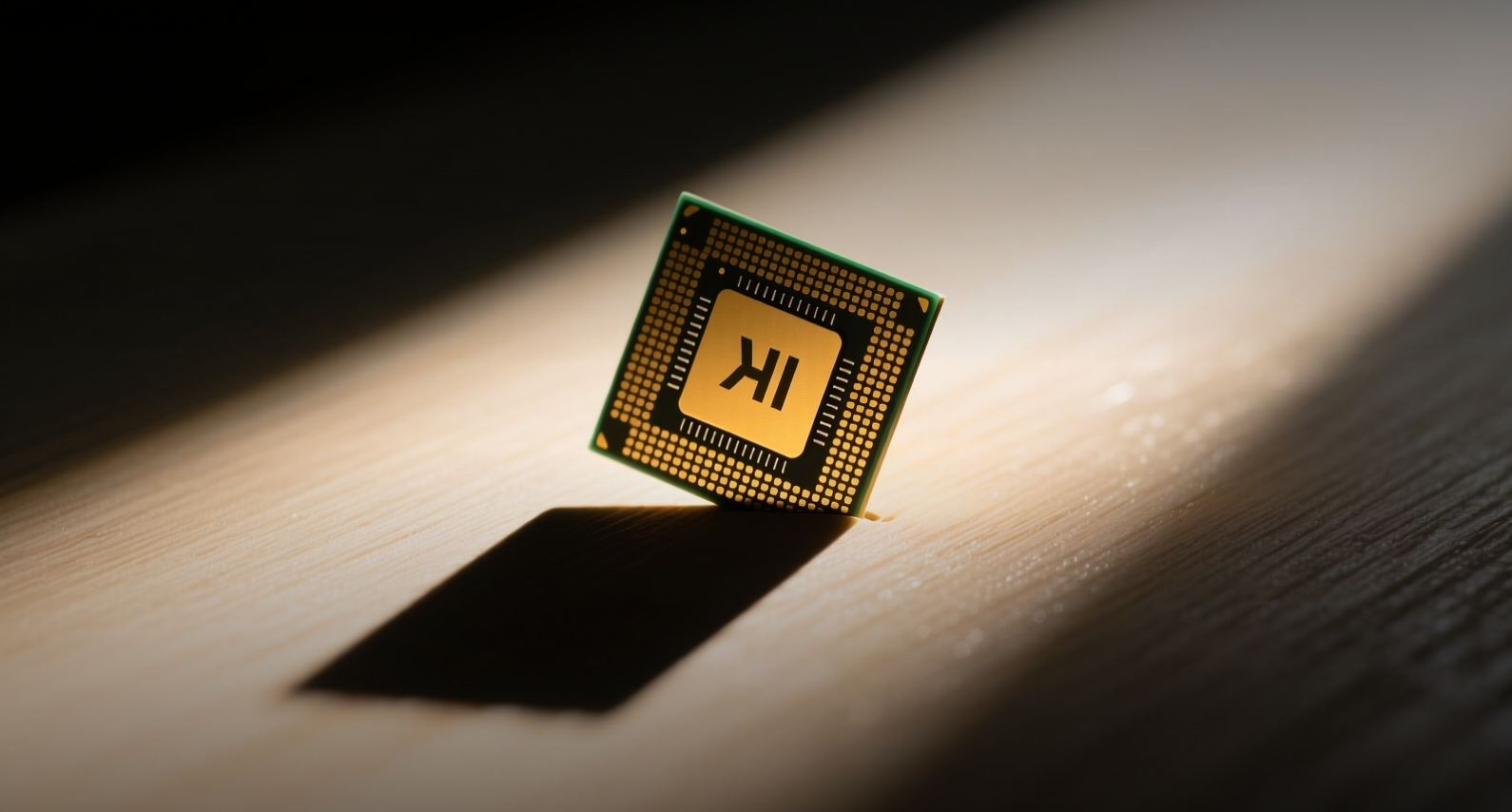
US stocks fell Friday as the PHLX Semiconductor Index entered bear market territory, tumbling 20% from its June high on AI spending doubts.
The S&P 500 fell 1% to 7,457.70 on Friday as the PHLX Semiconductor Index entered bear market territory, sliding 20% from its June record high.
"The latest development is the competition from open source models in China, which raised some competitive fears," said Angelo Kourkafas, senior global investment strategist at Edward Jones Investments.
The tech-heavy Nasdaq Composite lost 361.70 points, or 1.4%, to 25,520.24, while the Dow Jones Industrial Average slipped 16.26 points to 52,536.71. The CBOE Volatility Index rose 1.30 points to 18.03, the highest in more than a week. Declining issues outnumbered advancers by a 1.55-to-1 ratio on the Nasdaq, with trading volume running above the 20-day average.
The selloff has erased an estimated $3.3 trillion in market value across the global semiconductor sector, raising questions about whether the artificial intelligence infrastructure spending boom can justify current valuations. Investors now face a critical test in the coming weeks as second-quarter earnings season accelerates.
Chip Stocks Lead Decline as China AI Model Stirs Competition Fears
The PHLX Semiconductor Index peaked at 14,655 points in late June before sliding to about 11,674 by July 17, according to market data. Nvidia fell 1.4%, while Apple rose 0.14%, briefly pushing the iPhone maker past Nvidia to become the world's most valuable company. The Philadelphia SE Semiconductor index fell 1.8% and was set for its worst week since March. Memory-related semiconductor companies were among the hardest hit, with shares tied to Micron, Samsung Electronics, and SK Hynix experiencing significant declines.
Friday's selloff was triggered by news from China, where AI startup Moonshot unveiled Kimi K3, a 2.8 trillion-parameter model it said was the world's largest open-weight AI system. The release intensified concerns that cheaper open-source alternatives could reduce the need for expensive proprietary hardware from US chipmakers. "Supposedly, there are some offerings that are rivaling the performance of Anthropic and OpenAI," Kourkafas said. "Potentially that is contributing today to some of that weakness that started in Asia."
Netflix Tumbles 7.3%, SpaceX Falls Below IPO Price
Netflix fell 7.3% to $68.95 in its biggest one-day drop in two months after the streaming company forecast third-quarter revenue growth that would be its smallest year-on-year increase since late 2023. The company also said it would shift to releasing its viewership report annually rather than twice a year. Bank of America analysts reiterated a buy rating but lowered their price target to $105 from $125, noting that "valuation is compelling for a global platform of over 300 million subscribers."
SpaceX declined 5.4%, closing below its $135 IPO price for the second consecutive day after losing more than $1 trillion in market capitalization from its peak valuation of nearly $2.7 trillion on June 16. The losses were compounded after the company aborted a crucial Starship test launch due to engine problems.
Oil Surges Past $88 as Geopolitical Risks Mount
Oil prices rose 4.6% to $88.10 a barrel, with Brent crude finishing higher for a second consecutive week, adding $12.90 for its biggest weekly gain in almost three months. Prices surged after the US struck multiple bridges in Iran to cut off supply routes used to attack ships in the Strait of Hormuz. The 10-year US Treasury yield fell 0.026 percentage points to 4.542%, while the dollar edged lower on the ICE US Dollar Index. Gold finished up 0.68% on the day at $4,012.70 per troy ounce.
Consumer sentiment improved in July, with the University of Michigan's preliminary index rising to 54.4 from 49.5 in June, though the survey's director cautioned the improvement could prove short-lived if gasoline prices keep climbing. Travelers reported a 46% surge in second-quarter profit to $2.2 billion, as rate hikes and low catastrophe losses boosted the property and casualty insurer's results.
The selloff reflects a broader rotation away from high-growth technology names as investors reassess the timeline for AI-related returns. Earnings season accelerates next week with General Motors, Alphabet, IBM, Tesla, Intel, and Verizon all scheduled to report.
This article is for informational purposes only and does not constitute investment advice.
