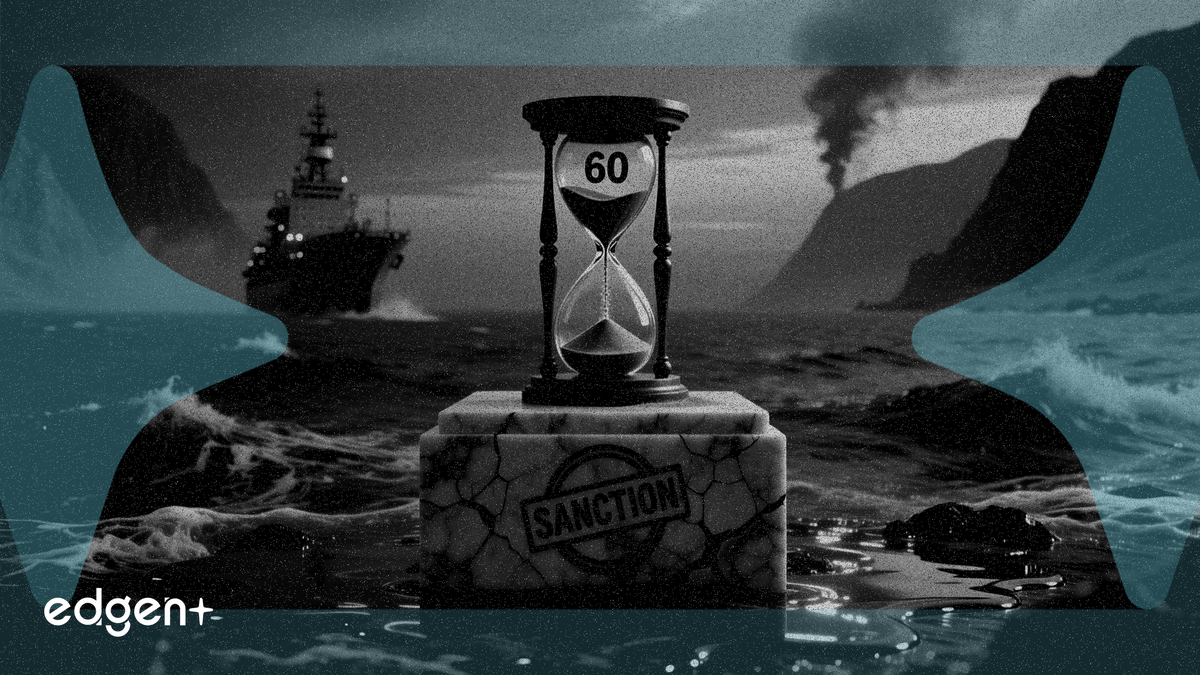
Le Trésor américain a intensifié la pression économique sur l'Iran avec de nouvelles sanctions contre l'Autorité du golfe Persique, alors même que le président Donald Trump s'apprête à prendre une décision finale sur un accord de cessez-le-feu provisoire de 60 jours qui rouvrirait le détroit d'Ormuz.
Mercredi, le département du Trésor a inscrit l'Autorité du golfe Persique — un organisme iranien créé pour gérer les demandes de passage par le détroit d'Ormuz — sur sa liste des ressortissants spécialement désignés (SDN) en vertu des autorités de sanctions contre le terrorisme, citant des liens avec le Corps des Gardiens de la révolution islamique. Cette action s'inscrit dans le cadre de l'opération « Economic Fury », une campagne coordonnée que le secrétaire au Trésor, Scott Bessent, a décrite comme conçue pour « dégrader systématiquement la capacité de Téhéran à générer, déplacer et rapatrier des fonds. »
« L'autorité a été désignée en vertu des autorités de sanctions contre le terrorisme et était liée au Corps des Gardiens de la révolution islamique », a déclaré le département du Trésor dans un communiqué.
Ces sanctions interviennent alors que Trump a confirmé qu'il tenait une réunion dans la Situation Room de la Maison-Blanche avec ses conseillers pour prendre une « décision finale » sur un accord provisoire qui prolongerait le cessez-le-feu fragile de 60 jours et rouvrirait le détroit d'Ormuz, par lequel transite environ un cinquième du pétrole et du gaz mondiaux. Le protocole d'accord proposé exigerait que l'Iran retire toutes les mines de la voie navigable dans les 30 jours et lui interdirait d'imposer des péages, selon un responsable américain qui s'est exprimé sous couvert d'anonymat. Les États-Unis lèveraient progressivement leur blocus sur les ports iraniens et assoupliraient les sanctions pour permettre davantage de ventes de pétrole iranien.
Le principal négociateur iranien, Mohammad Bagher Qalibaf, a fait part d'une profonde méfiance, écrivant sur X qu'« aucun pas ne sera fait avant que l'autre partie n'agisse » et que l'Iran n'« obtient pas de concessions par les pourparlers, mais par les missiles. » La République islamique détient 440,9 kilogrammes d'uranium enrichi à 60 % de pureté, une courte étape technique des niveaux de qualité militaire de 90 %, selon l'Agence internationale de l'énergie atomique.
Les sanctions s'élargissent à mesure que la fenêtre diplomatique se rétrécit
Au-delà de la désignation de l'autorité du détroit, le Trésor a également imposé des sanctions supplémentaires sur la branche de vente de pétrole de l'armée iranienne, étendant la campagne de pression économique de l'administration. L'OFAC a déjà gelé 344 millions de dollars de portefeuilles de cryptomonnaies liés au régime, selon des documents du Trésor liés à l'opération « Economic Fury ».
L'approche à double voie — escalade des sanctions parallèlement aux pourparlers diplomatiques — reflète la stratégie que Bessent a exposée lors de son témoignage au Sénat le 22 avril, où il a décrit les lignes de swap et les sanctions comme des outils complémentaires. Quelques jours après que Bessent a publiquement approuvé une ligne de swap d'urgence en dollars pour les Émirats arabes unis, Abou Dhabi a annoncé le 28 avril qu'il quittait à la fois l'OPEP et l'OPEP+, une mesure qui a aligné plus étroitement l'État du Golfe sur l'orbite financière américaine.
La dernière fois que les États-Unis ont imposé des sanctions coordonnées sur les infrastructures liées au détroit de l'Iran, c'était lors de la campagne de pression maximale de 2019, lorsque les exportations de pétrole iranien étaient tombées à moins de 300 000 barils par jour, soit environ un dixième de leur pic d'avant les sanctions. Le brut Brent se négociait alors à près de 62 dollars le baril ; la fermeture actuelle du détroit a fait grimper les prix du carburant à l'échelle mondiale, avec des effets ressentis bien au-delà du Moyen-Orient.
Le vice-président JD Vance a suggéré jeudi que les négociateurs tentaient de trouver des termes généraux sur le programme nucléaire iranien dans l'accord provisoire, les détails devant être précisés lors de discussions ultérieures. « Nous sommes dans une position où nous pourrions considérablement freiner leur programme nucléaire, non seulement pendant le mandat de ce président, mais à long terme », a déclaré Vance.
Le ministre iranien des Affaires étrangères, Abbas Araghchi, a déclaré vendredi avoir discuté de la gestion future du détroit avec son homologue omanais, exprimant sa solidarité « face à toute menace. » Cette déclaration est intervenue après que Trump a averti Oman de ne conclure aucun accord avec l'Iran pour partager le contrôle du détroit, sinon les États-Unis devraient « les faire sauter. »
Cet article est fourni à titre d'information uniquement et ne constitue pas un conseil en investissement.