

The United States will restore Hong Kong's special trading status, China said Friday, reversing a 2020 executive order that stripped the financial hub of preferential tariff treatment after Beijing imposed a national security law.
The United States will restore Hong Kong's special trading status, China said Friday, reversing a 2020 executive order that stripped the financial hub of preferential tariff treatment after Beijing imposed a national security law.
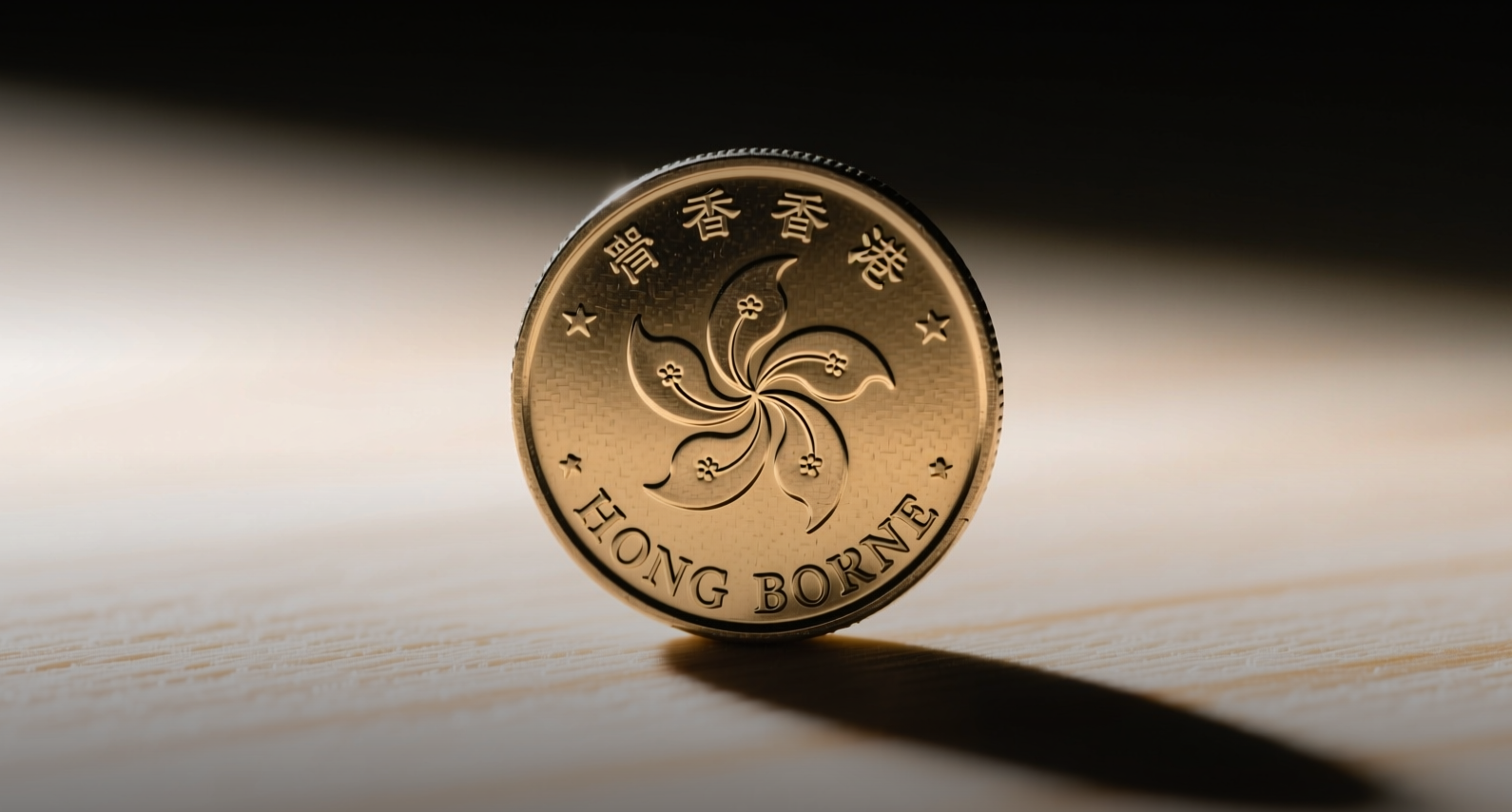
The United States will restore Hong Kong's special trading status, China said Friday, reversing a 2020 executive order that stripped the financial hub of preferential tariff treatment after Beijing imposed a national security law.
China said Friday the US will restore Hong Kong's special trading status, unwinding a 2020 Trump-era order that revoked preferential tariff treatment after Beijing imposed a national security law on the territory.
"The restoration of Hong Kong's special trade status reflects the importance of the territory's role in global trade and finance," a spokesperson for China's Ministry of Commerce said in a statement, without providing a specific timeline for implementation.
The 2020 revocation ended Hong Kong's preferential tariff rates and duty-free treatment for certain goods, affecting an estimated $30 billion in bilateral trade, according to Census Bureau data from that period. The restoration would reclassify Hong Kong as a separate customs territory under World Trade Organization rules, allowing it to maintain lower tariffs and fewer export controls than mainland China.
The reversal could trigger a rally in Hong Kong-listed stocks and the Hang Seng Index, reduce risk premiums on Chinese assets, and strengthen the Hong Kong dollar. It also points to a potential broader thaw in US-China trade relations ahead of the 2026 midterm elections, though the timeline for full implementation remains unclear.
The decision marks the most significant US-China trade de-escalation since the 2020 order, which was one of Trump's final trade actions targeting Beijing over the national security law. The law, imposed in June 2020, gave Beijing sweeping powers over Hong Kong and triggered a wave of sanctions and trade restrictions from Washington that reshaped the territory's economic relationship with the US.
Hong Kong's separate customs status, maintained since its 1997 handover from British rule, had allowed the territory to benefit from lower US tariffs and fewer export controls than those applied to mainland China. The 2020 revocation removed those privileges, classifying Hong Kong alongside China for tariff purposes and subjecting its goods to the same rates — including the 7.5% to 25% tariffs imposed on Chinese imports during the first phase of the US-China trade war.
For markets, the implications are broad. The Hang Seng Index, which has traded in a range of 18,000 to 22,000 over the past year, could see a relief rally as trade-sensitive sectors — including logistics, banking, and real estate — benefit from reduced policy uncertainty. Chinese ADRs listed in New York, which have faced dual pressure from trade tensions and delisting risks, may also gain as the geopolitical risk premium compresses.
The Hong Kong dollar, which has traded near the weak end of its 7.75 to 7.85 peg band for much of 2026, could strengthen as capital inflows resume. The restoration also reduces the risk premium embedded in Hong Kong-listed equities, which have traded at an average 15% discount to mainland A-shares since 2020, according to Bloomberg data.
The last time the US imposed trade restrictions on Hong Kong in 2020, the Hang Seng Index fell 12% over the following three months while the Hong Kong dollar weakened to 7.84 against the greenback. A reversal of that dynamic could unwind some of those moves, though the timeline for implementation remains unclear and depends on legislative or executive action by the current US administration.
Sectors most exposed to the policy shift include Hong Kong's trade and logistics industry, which handled approximately $1.2 trillion in goods transshipment in 2025, much of it between China and the US. Banks with significant Hong Kong exposure, including HSBC Holdings Plc and Standard Chartered Plc, could benefit from improved trade flows and reduced compliance costs tied to the previous restrictions.
The restoration also has implications for the broader US-China trade relationship. The 2020 order was part of a series of actions that escalated tensions between the world's two largest economies, including tariffs on $370 billion in Chinese goods and restrictions on technology exports. Any signal of de-escalation could reduce the risk of further retaliatory measures and support global supply chain stability.
This article is for informational purposes only and does not constitute investment advice.
