

Üst düzey ABD askeri ve savunma yetkilileri, Pentagon'un dijital savaşa ilişkin tartışmalı bir tezi yineleyerek Bitcoin'i aktif olarak bir ulusal güvenlik aracı olarak denediğini doğruladı.
Üst düzey ABD askeri ve savunma yetkilileri, Pentagon'un dijital savaşa ilişkin tartışmalı bir tezi yineleyerek Bitcoin'i aktif olarak bir ulusal güvenlik aracı olarak denediğini doğruladı.
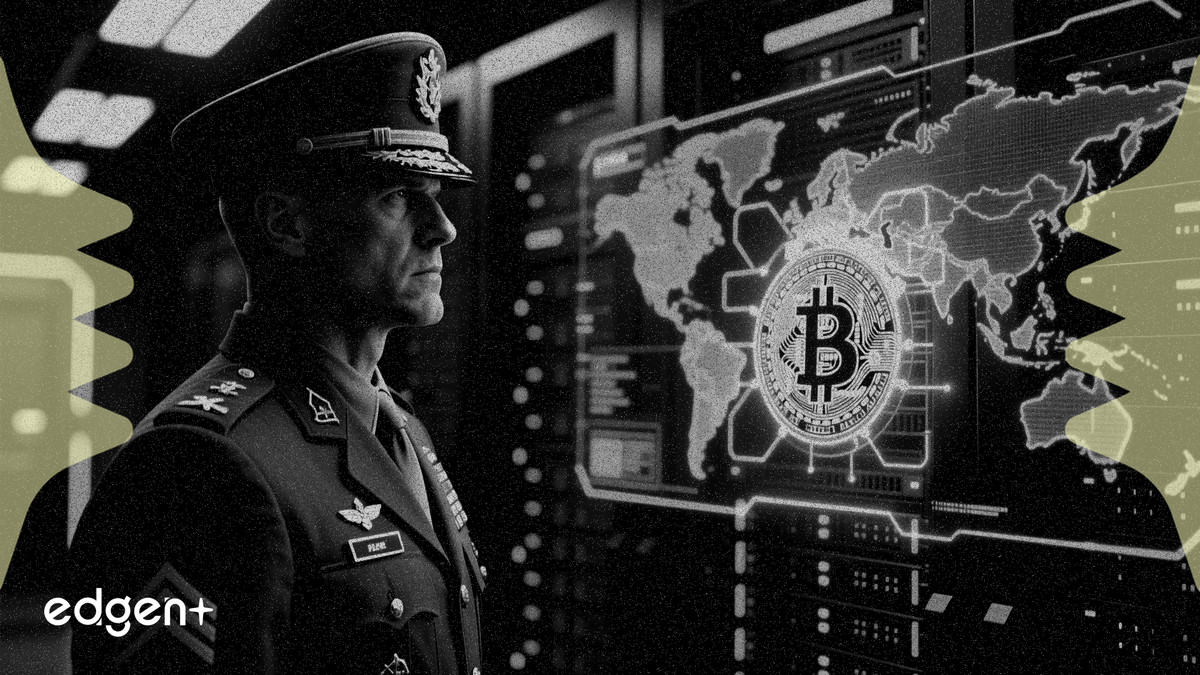
Savunma Bakanı Pete Hegseth ve ABD Hint-Pasifik Komutanlığı (INDOPACOM) Amirali Samuel Paparo, son kongre oturumlarında ordunun en az bir canlı Bitcoin düğümü çalıştırdığını ve protokolü siber uzayda güç projeksiyonu için "değerli bir bilgisayar bilimi aracı" olarak gördüklerini doğruladı. Bu açıklamalar, ABD'nin dijital varlıklara bakışında, onları salt finansal bir endişeden ulusal gücün potansiyel bir aracına taşıyan önemli bir değişikliğe işaret ediyor.
29 Nisan'da Temsilciler Meclisi Silahlı Hizmetler Komitesi'nin Bitcoin'in güç projeksiyonundaki rolü ve Pentagon'un bundan yararlanıp yararlanmadığına ilişkin sorularına yanıt veren Hegseth, "Kısa cevabım evet ve evet olurdu" dedi. Hegseth, Amerikan gücü için kripto para birimlerinden yararlanmak üzere "gizli" deneylerin sürdüğünü de sözlerine ekledi.
Savunma Bakanı'nın yorumları, Amiral Paparo'nun 22 Nisan'da Senato Silahlı Hizmetler Komitesi'ne INDOPACOM'un "ağları emniyete almak ve korumak için operasyonel testler" için bir Bitcoin düğümü çalıştırdığını söylemesinden sadece birkaç gün sonra geldi. Bu stratejik araştırma, İran'ın Hürmüz Boğazı'ndan geçiş için Bitcoin talep etmesi ve Rusya'nın Çin ve Hindistan ile petrol ticaretinde yaptırımlardan kaçınmak için kripto kullandığına dair raporlarla birlikte küresel rakiplerin dijital varlıkları giderek daha fazla kullanmasıyla gerçekleşiyor.
Pentagon'un ilgisi, MIT üyesi ve muvazzaf askeri subay Jason Lowery'nin, Bitcoin'in iş kanıtının (PoW) bir siber güvenlik caydırıcılığı oluşturabileceğini ve aksi takdirde bundan yoksun bir alanda güç yansıtabileceğini öne süren "Softwar" tezinin doğrudan bir uygulaması gibi görünüyor. Bu gelişme, Bitcoin'in statüsünü spekülatif bir varlıktan jeopolitik çatışmalarda stratejik bir araca yükseltebilir ve potansiyel olarak diğer ulusları devlet yönetimindeki rolünü yeniden değerlendirmeye etkileyebilir.
Savunma Bakanlığı, "güç projeksiyonunu" bir ulusun sınırlarının ötesindekileri etkilemek için ulusal güç unsurlarını uygulama yeteneği olarak tanımlar. Lowery'nin tezi bağlamında bu, Bitcoin'in iş kanıtı (PoW) algoritması aracılığıyla siber güvenliği enerjinin gerçek dünyadaki fiziksel maliyetine bağlayarak elde edilir.
Lowery, küresel elektrik şebekesinin bir "makroçip" olarak görülebileceğini ve Bitcoin madencilik operasyonlarının programlanabilir mantık kapıları olarak hareket ettiğini savunuyor. Bir ağ üzerinden kontrol sinyalleri göndermek için bir "iş kanıtı" veya hesaplama maliyeti gerektirerek, sistemler Dağıtılmış Hizmet Engelleme (DDoS), e-posta spam'i ve dezenformasyon kampanyaları gibi düşük maliyetli saldırılara karşı savunulabilir. Lowery'nin "Elektro-Siber Kubbe" (Electro-Cyber Dome) adını verdiği bu kavram, esasen Satoshi Nakamoto'nun Bitcoin teknik incelemesinde atıfta bulunduğu Adam Back'in 1997 tarihli "Hashcash" teklifinin ölçeklendirilmiş bir versiyonudur.
Hegseth ve Paparo'nun resmi kabulleri bu teorilere önemli bir ağırlık kazandırıyor ve bunların Bitcoin forumlarının kıyısından Pentagon içindeki aktif değerlendirmeye taşındığını gösteriyor. Deneyler, Başkan Donald Trump'ın Mart 2025'te müsadere edilen varlıklardan bir ABD stratejik Bitcoin rezervi oluşturmaya yönelik başkanlık kararnamesinin ardından, ABD hükümetinin Bitcoin ile ilişkisini resmileştirmesinin daha geniş bir bağlamında gerçekleşiyor.
Ancak "Softwar" tezi eleştirisiz değil. Bitcoin geliştiricisi ve güvenlik uzmanı Jameson Lopp, tezin bazı kısımlarını övmekle birlikte, sonuçta bunun "geleceği nasıl inşa etmemiz gerektiğine dair bir plan olarak hizmet etmekte yetersiz kaldığı" sonucuna vardı. Temel bir eleştiri, genel ağ güvenliği için PoW'un faydalarının Bitcoin ağının kendisini kullanmayı gerektirip gerektirmediği veya ayrı, tescilli bir sistemin yeterli olup olmayacağıdır. Dahası, Çin'in özel ASIC madencilerinin üretimine hakim olduğu göz önüne alındığında, eleştirmenler INDOPACOM'un ağlarını stratejik bir rakibin önemli bir donanım avantajına sahip olduğu bir protokolle güvence altına almasının akıllıca olup olmadığını sorguluyor.
Geleneksel çatışmanın yerini alan "hash oranı savaşları" vizyonu spekülatif kalmaya devam etse de, Pentagon'un sessiz deneyleri temel kavramların değer taşıdığının açık bir işaretidir. ABD ordusunun stratejik bir araç olarak Bitcoin'i keşfetmesi, finansın ötesindeki potansiyelini doğrulayan ve onu 21. yüzyıl devlet yönetiminin ciddi bir bileşeni olarak konumlandıran çok önemli bir anı işaret ediyor.
Bu makale sadece bilgilendirme amaçlıdır ve yatırım tavsiyesi teşkil etmez.
