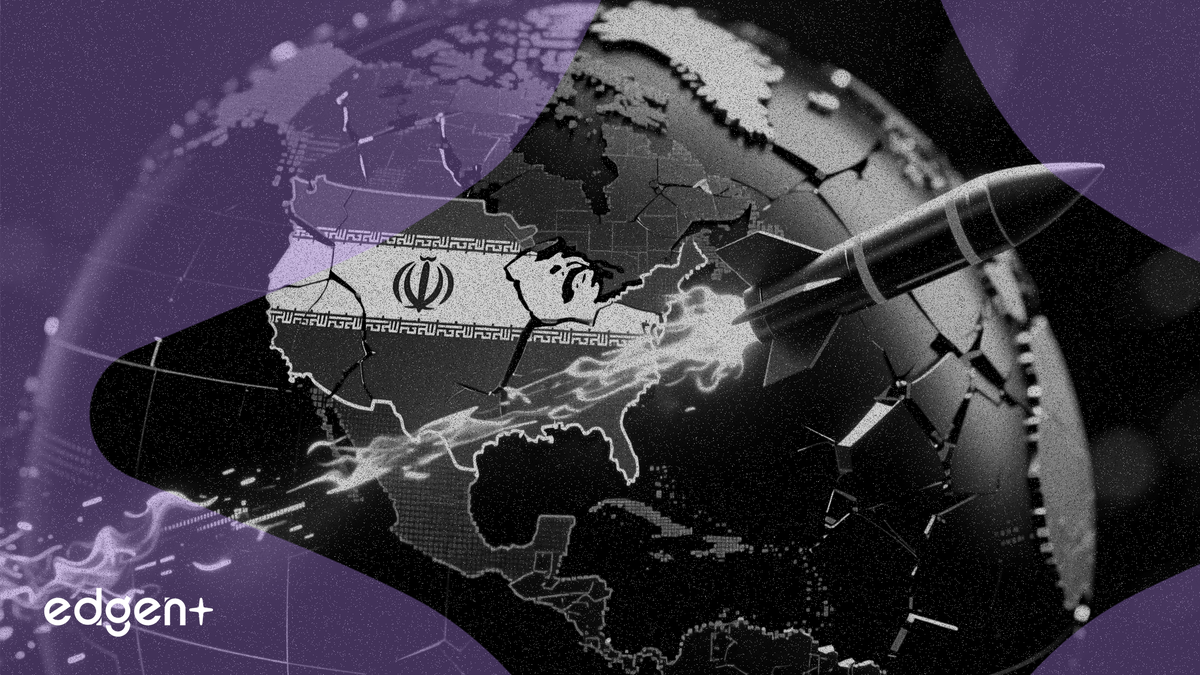
ABD'nin İran'a yönelik yeni bir tehdit savurmasıyla Orta Doğu'da yaşanabilecek olası bir askeri çatışma, küresel enerji piyasalarını altüst etme riski taşıyor.
ABD'nin İran'a yönelik yeni bir tehdit savurmasıyla Orta Doğu'da yaşanabilecek olası bir askeri çatışma, küresel enerji piyasalarını altüst etme riski taşıyor.
ABD'nin İran'a yönelik yeni bir tehdit savurmasıyla Orta Doğu'da yaşanabilecek olası bir askeri çatışma, küresel enerji piyasalarını altüst etme riski taşıyor.
ABD Başkanı Donald Trump'ın 19 Mayıs'ta İran'a karşı "ağır bir darbe" tehdidinde bulunması ve bir gün önce saldırı emri vermeye sadece bir saat kaldığını açıklamasıyla petrol piyasalarındaki jeopolitik risk primi artışa geçmeye hazırlanıyor.
Allianz Commercial CEO'su Thomas Lillelund, küresel riskler üzerine hazırlanan yeni bir raporda, "Savaşlar, gelecekteki çatışma tehditleri ve diğer siyasi şiddet faaliyetleri, 2026'da ve sonraki yıllarda jeopolitik ve ekonomik istikrarı baltalaması muhtemeldir," dedi.
Trump'ın Körfez müttefiklerinin talebi üzerine müzakerelere izin vermek amacıyla 2-3 gün ertelendiğini söylediği bu tehdit, bölgedeki artan istikrarsızlık dönemini takip ediyor. ABD / İran çatışması halihazırda küresel ticaret akışlarını bozuyor ve siyasi şiddet riskinin Allianz Risk Barometresi'nde şimdiye kadarki en yüksek sıraya tırmanmasına neden oluyor.
Doğrudan bir askeri çatışma, küresel petrol tüketiminin yaklaşık %21'i için kritik bir geçiş noktası olan Hürmüz Boğazı'nı tehlikeye atabilir ve yatırımcıların güvenli liman varlıklarına kaçmasıyla ham petrol fiyatlarında ciddi bir artışa ve daha geniş bir piyasa kargaşasına yol açabilir.
Başkan Trump, Tahran'ın nükleer silahlara sahip olmasına izin verilmemesi gerektiğini vurgulayarak, İran'a diplomatik bir çözüme ulaşması için iki ila üç günlük "sınırlı bir zaman penceresi" verdiğini belirtti. Bu ültimatom, Katar, Suudi Arabistan ve BAE liderlerinin barış görüşmelerindeki ilerlemeye atıfta bulunarak yaptığı aramaların ardından, 18 Mayıs'taki planlı askeri saldırıyı son dakikada iptal ettiğini iddia etmesinden sonra geldi. Yanıt olarak İran ordusu, herhangi bir saldırıya misilleme yapmak için "yeni cepheler" açacağı ve yeni araçlar kullanacağı konusunda uyardı.
Allianz Commercial'ın araştırmasına göre, bu gerginlik iş dünyası ve sigortacılar arasındaki endişeleri artırıyor; savaş artık şirketlerin en çok korktuğu bir numaralı siyasi şiddet riski olarak görülüyor. Çatışmanın, Ukrayna'daki savaştan daha büyük sigortalı zararlar yaratma potansiyeli bulunuyor. Bu yüksek risk ortamı, şirketleri tedarik zinciri zayıf noktalarını yeniden değerlendirmeye zorluyor; firmaların neredeyse yarısı tedarik zincirlerini yeniden müzakere etmeye ve çeşitlendirmeye çalışıyor, bu eğilimin mevcut krizle birlikte hızlanması bekleniyor.
Durum, karmaşık bir uluslararası çıkarlar ağıyla daha da karmaşıklaşıyor. Pekin'e yaptığı son ziyaret sırasında Trump'ın, Hürmüz Boğazı'nda istikrarın sağlanması için Çin'in iş birliğini istediği bildirildi. Ancak İran ile güçlü enerji bağları olan Çin'in, Washington'un baskı kampanyasına tam olarak uyum sağlaması pek olası görünmüyor; bunun yerine Rusya gibi diğer güçlerle birlikte bölgedeki kendi stratejik ve ekonomik çıkarlarını dengelemeyi tercih ediyor.
Bu makale sadece bilgilendirme amaçlıdır ve yatırım tavsiyesi teşkil etmez.
