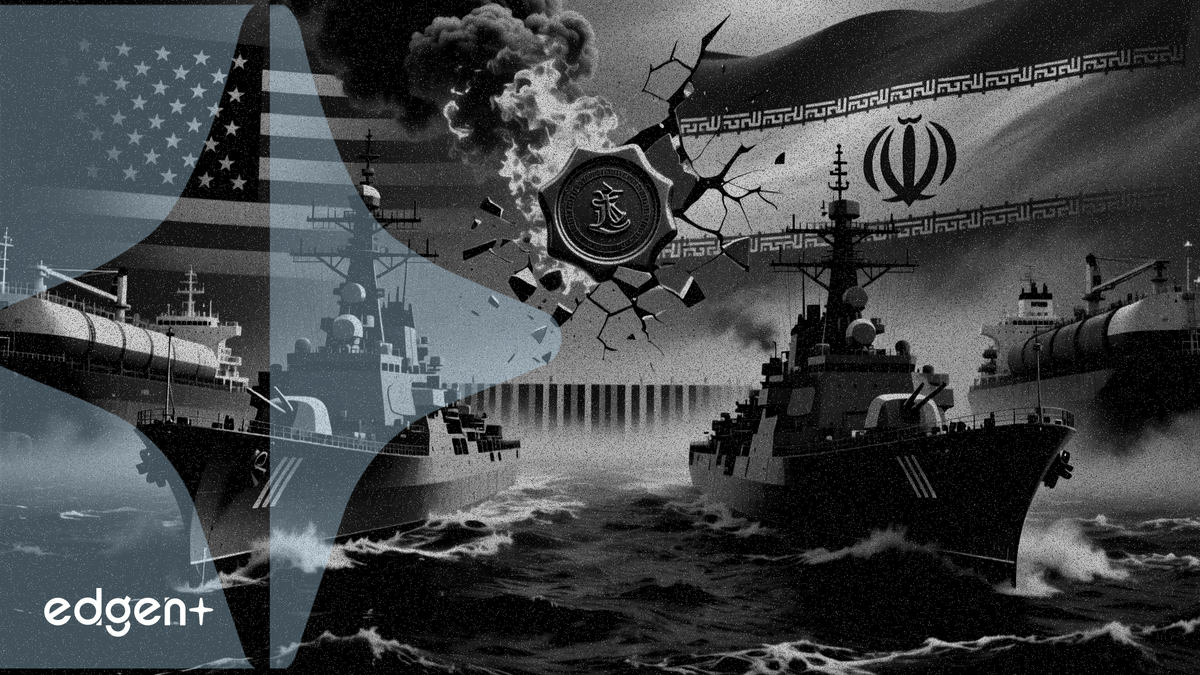
A US naval blockade of Iranian ports shows no signs of easing, with warning shots fired on May 24, creating a stark contrast with recent diplomatic overtures.
US military forces fired warning shots to enforce a naval blockade near a key Iranian port on May 24, sending Brent crude futures surging over 3% as the move contradicted reports of a nearly-negotiated deal to reopen the waterway.
"The market is reacting to the disconnect between rhetoric and reality. While diplomats talk, the cannons are, quite literally, being fired. This level of uncertainty commands a significant risk premium," said a senior analyst at a geopolitical risk consultancy.
The escalation sent Brent crude oil prices up by $2.50 to over $85 a barrel, while gold, a traditional safe-haven asset, climbed 1.2% to $2,380 per ounce. In contrast, S&P 500 futures fell 0.8% on fears of rising energy prices and heightened geopolitical risk.
The incident puts global energy markets on high alert. With the Strait of Hormuz accounting for over 20% of the world's oil supply, a prolonged blockade could trigger a significant inflationary shock, forcing a reassessment of risk across equity and bond markets ahead of the next OPEC+ meeting.
Recordings from public maritime radio channels near the Strait of Hormuz, provided by sailors on trapped vessels, confirm the ongoing tension. On May 24, the US military fired upon a vessel, forcing it to halt its approach to the Iranian port of Chabahar, indicating the maritime blockade remains firmly in place.
Contradictory Signals
The military action on the water stands in sharp contrast to comments from former President Donald Trump, who stated a deal with Iran was "largely negotiated" to reopen the critical shipping lane. The conflicting reports have left traders and shipping companies in a state of confusion, struggling to price in the rapidly changing risk environment.
A Critical Chokepoint
The Strait of Hormuz is the world's most important oil chokepoint, with about 21 million barrels of oil passing through it daily, equivalent to about 21% of global petroleum liquids consumption. Any disruption, let alone a full blockade, has immediate and severe implications for global energy security and prices. The last major flare-up in 2019 saw oil prices jump by more than 15% in a single day.
This article is for informational purposes only and does not constitute investment advice.