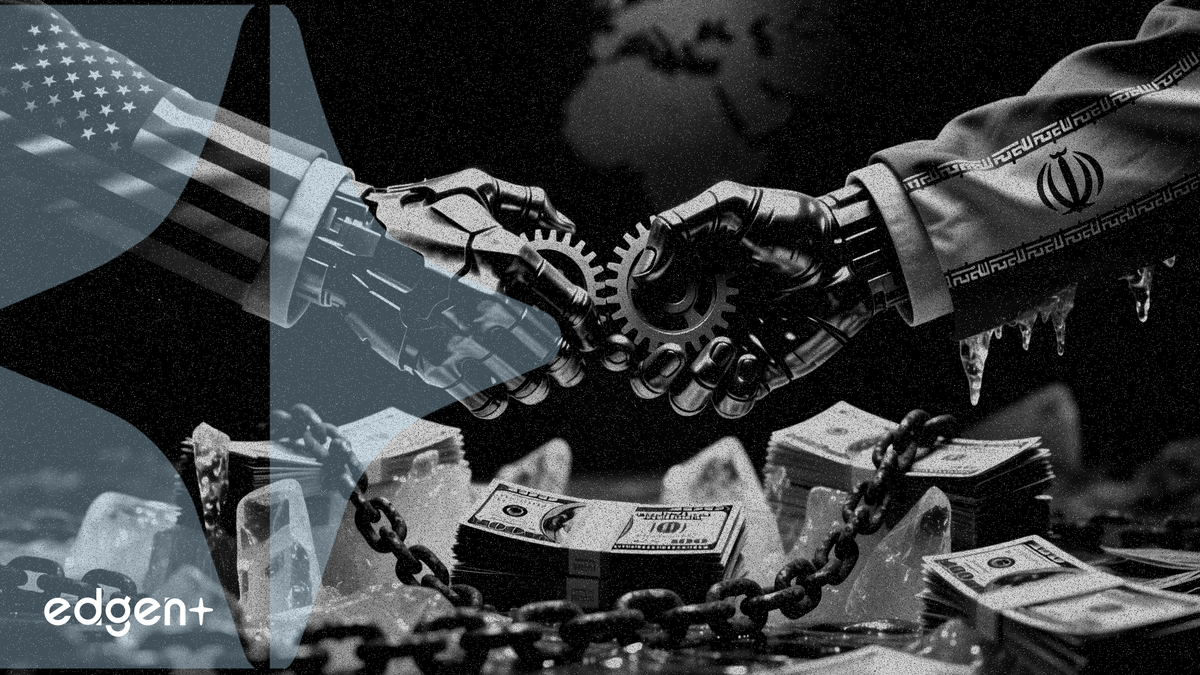
A fragile agreement in principle to end the three-month war between the U.S. and Iran faces significant hurdles, as the two sides remain far apart on the timing of sanctions relief and the verification of nuclear concessions.
President Donald Trump said Sunday he was in no hurry to complete an end-of-war agreement with Iran, a sharp reversal from weeks of insisting Tehran had to quickly make concessions or face renewed attacks. The statement came after details of a framework agreement showed major gaps remain between the two sides on critical issues.
"The idea that somehow this president, given everything he’s already proven he’s willing to do, is going to somehow agree to a deal that ultimately winds up putting Iran in a stronger position when it comes to nuclear ambitions is absurd," Secretary of State Marco Rubio said Sunday, pushing back against conservative criticism of the deal.
Under the proposal, the war would end, and Iran would reopen the Strait of Hormuz, through which about 20% of global energy supplies transit, in exchange for the U.S. ending its naval blockade. However, Iran’s demand for the immediate release of an estimated $100 billion in frozen assets and the lifting of some sanctions has been met with resistance from Washington, which insists on a phased approach tied to nuclear dismantlement. The war has cost U.S. taxpayers at least $29 billion and resulted in 13 service member deaths.
The standoff leaves the global economy in a precarious position, with the closure of the strait having already jolted energy markets and pushed prices for gasoline and other goods higher. While a deal would provide "breathing room" for the global economy, the path to a final accord is fraught with complexities that plagued the Obama-era nuclear pact, which Trump withdrew from.
Sticking Points Emerge
A senior Trump administration official confirmed the agreement in principle involves Iran reopening the strait for the U.S. to end its shipping blockade. However, Iran’s semi-official Tasnim news agency stated Sunday that Tehran wants sanctions relief and unfrozen assets early in the process, warning the agreement could otherwise fall apart.
The most significant disagreements center on Iran's nuclear program. According to the International Atomic Energy Agency, Iran possesses about 970 pounds of uranium enriched to 60% purity and another 11 tons of lower-enriched material. A U.S. official said Iran has accepted the principle of disposing of all its enriched uranium, but the mechanism, timeline, and verification for doing so remain undecided.
The administration's approach has drawn heavy criticism from Republican hard-liners. Senator Ted Cruz called a potential deal that allows Iran to retain nuclear capabilities a "disastrous mistake," while Senator Lindsey Graham panned any agreement that would leave Iran as a dominant force in the region.
Regional Tensions and Market Uncertainty
Gulf Arab states, while eager for a diplomatic off-ramp to avoid further attacks on their energy facilities, are concerned the deal leaves them exposed. The framework reportedly does not address Iran’s missile program or its network of regional proxies, a major security concern for Saudi Arabia and the UAE.
"Iran enters the postwar period with leverage it didn’t have before, because Hormuz is now an established bargaining chip," said H.A. Hellyer, a senior associate fellow at the Royal United Services Institute. "The major risk for Gulf Arab states is that this leaves Tehran feeling emboldened."
Israel also harbors deep concerns. Prime Minister Benjamin Netanyahu’s government, which is not a party to the negotiations, worries the deal fails to permanently dismantle what it considers an existential threat. The initial agreement could also constrain Israel's military operations against the Iran-backed militia Hezbollah in Lebanon.
This article is for informational purposes only and does not constitute investment advice.