
핵심 요약:
- 호르무즈 해협 폐쇄로 일일 1,200만 배럴 이상의 석유 공급이 차단되었으며, 국제에너지기구(IEA)는 이를 역사상 가장 심각한 공급 중단 사태라고 명명했습니다.
- 전략 비축유(SPR)가 고갈되고 셰일 생산이 정점에 도달한 반면 정제 병목 현상으로 휘발유 생산이 억제되어 미국의 정책 옵션은 제한적입니다.
- 경제학자들은 유가 충격이 여름 내내 인플레이션을 부추겨 연준의 금리 인하 지연을 초래하고 채권 수익률을 높일 것이라고 경고합니다.
핵심 요약:
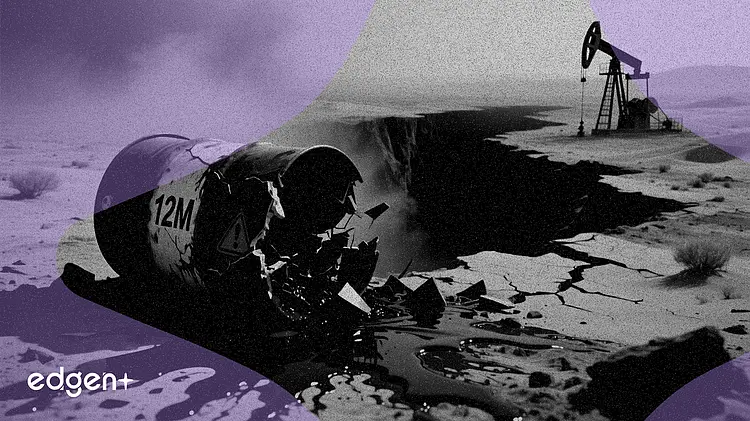
유례없는 공급 중단과 정제 병목 현상으로 인한 심각한 유가 충격이 미국의 인플레이션을 유도하고 올해 연준의 잠재적인 금리 인하를 저지할 위협을 가하고 있습니다.
(P1: THEME) 호르무즈 해협 폐쇄로 일일 1,200만 배럴 이상의 석유 공급이 차단됨에 따라 미국 경제는 복합적인 에너지 위기에 직면해 있습니다. 국제에너지기구(IEA)는 이번 사태를 역사상 가장 심각한 공급 중단이라고 규정했습니다. 에이모스 호치스타인 전 백악관 에너지 고문은 유가 압박이 끝나려면 멀었으며, 이는 새로운 인플레이션 파도와 대출 비용의 급격한 상승을 초래할 것이라고 경고했습니다.
(P2: AUTHORITY) 독립 윤활유 제조업체 협회(ILMA)의 CEO 홀리 알파노는 CNN과의 인터뷰에서 하류 특수 제품에 미치는 영향을 강조하며 "공급 부족이 발생할 것이라는 점에 의심의 여지가 없습니다"라고 말했습니다. "큰 혼란입니다. 빨리 해결되지 않을 것이며, 진정한 안정을 찾기까지 1년 정도 걸릴 수 있습니다."
(P3: DETAILS) 이번 위기로 WTI 원유 선물은 급등하여 최근 배럴당 100달러 인근에서 거래되고 있으며, 미국 자동차 협회에 따르면 미국 휘발유 평균 가격은 갤런당 4.53달러로 전쟁 시작 이후 1.55달러 상승했습니다. 이번 중단은 전 세계 석유의 5분의 1이 통과하는 수로의 물리적 봉쇄와 구조적인 정제 능력 부족이라는 이중고를 안고 있습니다. 항공유 크랙 스프레드가 배럴당 80달러라는 기록적인 수치를 기록하면서 정유소들이 휘발유 생산 능력을 다른 곳으로 돌리고 있으며, 이로 인해 정유 시설이 풀가동 중임에도 불구하고 미국의 휘발유 생산량은 작년 대비 하루 34만 배럴 감소했습니다.
(P4: NUT GRAF) 그 영향은 향후 몇 달 동안 경제 전반에 파급될 것입니다. 호치스타인은 5월의 유가 급등이 7월과 8월의 근원 CPI에 반영되어 연준의 정책 경로를 복잡하게 만들고 금리를 높은 수준으로 유지하게 할 것이라고 전망합니다. 채권 시장은 이미 반응하고 있으며, 30년 만기 국채 수익률이 금융 위기 이후 최고치로 상승하여 주택 담보 대출, 기업 부채 및 연방 차입 비용의 지속적인 고비용 시대를 예고하고 있습니다.
2022년 에너지 위기와 달리 현재 미국의 정책 수단은 거의 고갈된 상태입니다. 전략 비축유(SPR)는 약 3억 7,400만 배럴로 줄어들었으며, 가격에 유의미한 영향을 줄 수 있는 추가 방출 여력은 제한적입니다. IEA의 공조 대응으로 약속된 1억 7,200만 배럴 중 약 8,000만 배럴이 이미 방출되었습니다.
게다가 정제 병목 현상으로 인해 비축유 방출의 효과가 반감되고 있습니다. ILMA는 최근 회보에서 "그룹 II 안전 밸브가 사실상 닫혔다"고 지적하며, 엔진오일 생산에 사용되던 기유가 경유 수요 폭증을 충족하기 위해 전용되고 있다고 설명했습니다. 생산 측면에서 미국 셰일 생산량은 최대치에 도달한 것으로 보이며, 4월 말 원유 및 석유 제품 수출이 일일 1,290만 배럴로 기록적인 수치를 기록하면서 더 이상의 레버리지는 남지 않은 상태입니다.
이번 위기의 근본 원인은 이란과의 전쟁 및 그에 따른 호르무즈 해협 폐쇄에 있습니다. 외교적 노력은 교착 상태에 빠져 있으며, 테헤란은 해당 수로에 대한 주권 인정을 요구하고 있고 미국은 이를 단호히 거부했습니다. 도널드 트럼프 미국 대통령이 이란에 협상 타결을 위한 주말 기한을 제시했지만, JD 밴스 부통령은 필요시 군사 작전을 재개할 수 있도록 미국은 여전히 "장전된 상태(locked and loaded)"라고 밝혔습니다.
여파는 에너지 시장을 넘어 확산되고 있습니다. 이베트 쿠퍼 영국 외무장관은 해당 해협이 비료 선적의 핵심 거점이기도 하기에 세계가 "글로벌 식량 위기로 몽유병 환자처럼 걸어 들어가고 있다"고 경고했습니다. 세계식량계획(WFP)은 분쟁과 고유가가 지속될 경우 4,500만 명이 추가로 심각한 식량 불안정에 직면할 수 있다고 추정합니다. 이번 중단은 기후 변화와 원조 예산 축소의 압박과 맞물려 글로벌 경제에 가혹한 전망을 드리우는 완벽한 폭풍을 만들어냈습니다.
이 기사는 정보 제공만을 목적으로 하며 투자 조언을 구성하지 않습니다.
