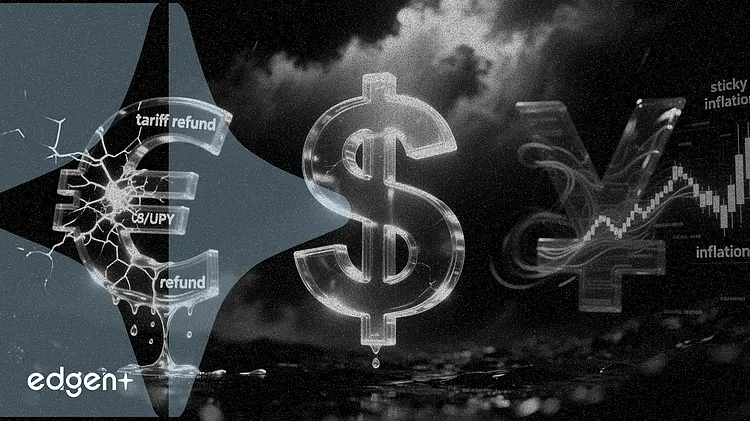
Hoàn thuế quan có thể làm giảm áp lực cho các doanh nghiệp và hộ gia đình Mỹ, nhưng tăng trưởng yếu và lạm phát dai dẳng khiến quỹ đạo của đồng đô la trở nên bất định trên các cặp USDJPY, EURUSD và GBPUSD.
Đồng đô la Mỹ đối mặt với triển vọng bất định khi việc hoàn thuế quan mang lại sự giảm nhẹ cho doanh nghiệp và hộ gia đình, song tăng trưởng yếu và lạm phát dai dẳng làm phức tạp thêm lộ trình chính sách của Cục Dự trữ Liên bang (Fed) trên ba cặp FX chính. Fed đã giữ lãi suất chuẩn ở mức 3,5% đến 3,75% tại cuộc họp gần nhất, với bốn quan chức bỏ phiếu phản đối — số phiếu "không" lớn nhất kể từ năm 1992, báo hiệu sự chia rẽ nội bộ về triển vọng lạm phát.
"Các ngân hàng trung ương nhiều khả năng sẽ vẫn duy trì lập trường diều hâu trong thời điểm hiện tại, nhưng chúng tôi vẫn cho rằng đó có thể chỉ là một lần tăng lãi suất duy nhất từ ECB," James Smith, nhà kinh tế thị trường phát triển tại ING, cho biết. "Fed cuối cùng sẽ cắt giảm lãi suất một lần nữa, có thể sớm nhất là vào tháng 12."
Lợi suất trái phiếu kho bạc Mỹ kỳ hạn 30 năm đã tăng vọt lên trên 5%, chạm mức 5,15%, trong khi lợi suất kỳ hạn 10 năm đạt 4,70%, phản ánh lo ngại của nhà đầu tư về lạm phát và thâm hụt tài khóa. Khảo sát của Đại học Michigan cho thấy kỳ vọng lạm phát 5 năm đã tăng lên 3,9%, mức cao nhất kể từ tháng 6. Bên kia Đại Tây Dương, lợi suất trái phiếu chính phủ Anh kỳ hạn 30 năm leo lên 5,85% và lợi suất JGB kỳ hạn 30 năm của Nhật Bản chạm 4,20%, khi thị trường trái phiếu toàn cầu định giá vào khả năng thắt chặt tiền tệ kéo dài.
Đối với thị trường tiền tệ, sự phân kỳ trong kỳ vọng lãi suất tạo ra những quỹ đạo khác biệt. USDJPY nhắm đến vùng 160-162 khi lợi suất Mỹ vẫn ở mức cao và Ngân hàng Trung ương Nhật Bản (BoJ) đối mặt với áp lực tài khóa gia tăng từ lợi suất JGB đã tăng hơn 1.100% trong thập kỷ qua. EURUSD gặp kháng cự tại 1,19 với hỗ trợ tại 1,12, khi việc Ngân hàng Trung ương châu Âu (ECB) dự kiến tăng lãi suất 25 điểm cơ bản vào tháng 6 không thu hẹp được nhiều khoảng cách lợi suất với Mỹ. GBPUSD vẫn dao động trong biên độ 1,30 đến 1,3780, chờ đợi chất xúc tác để bứt phá khi lợi suất trái phiếu chính phủ Anh ở mức 5,85% làm dấy lên lo ngại về tính bền vững tài khóa.
Hoàn thuế quan mang lại sự giảm nhẹ có hạn
Chương trình hoàn thuế quan, được công bố ngày 30 tháng 5, nhằm giảm bớt áp lực chi phí cho các nhà nhập khẩu và người tiêu dùng Mỹ sau nhiều tháng hàng rào thuế quan gia tăng. Nhưng sự giảm nhẹ này có thể chỉ là tạm thời. Lần gần đây nhất Mỹ thực hiện giảm thuế quan trên diện rộng vào năm 2020, dòng chảy thương mại song phương đã phục hồi khoảng 15% trong vòng sáu tháng, theo dữ liệu từ Cục Điều tra Dân số, trong khi đồng đô la yếu đi 4% so với rổ tiền tệ chính trong cùng kỳ.
Lần này, bối cảnh đã khác. Chi phí năng lượng vẫn ở mức cao, với ING ước tính giá dầu sẽ duy trì trên 90 đô la mỗi thùng trong năm nay ngay cả khi dòng chảy qua eo biển Hormuz trở lại bình thường. Sự kết hợp giữa hoàn thuế quan, chi phí năng lượng cao hơn và thị trường lao động thắt chặt — bảng lương phi nông nghiệp trung bình trên 100.000 mỗi tháng — khiến Fed có ít dư địa để nới lỏng.
Chênh lệch lãi suất thúc đẩy phân kỳ FX
Quỹ đạo của đồng đô la phụ thuộc vào việc liệu lợi suất trái phiếu kho bạc dài hạn có thể duy trì đà giảm gần đây hay không. Lợi suất kỳ hạn 30 năm đã điều chỉnh từ đỉnh 5,15% nhưng vẫn trên ngưỡng 5% — mức báo hiệu lạm phát dai dẳng và lo ngại tài khóa. Một sự giảm bền vững xuống dưới 5% sẽ làm giảm áp lực lên tài sản rủi ro và có khả năng làm yếu đồng đô la, trong khi một đợt tăng mới sẽ củng cố sức mạnh của đồng bạc xanh.
USDJPY vẫn là cặp nhạy cảm nhất với chênh lệch lãi suất. Khoảng cách giữa lợi suất Mỹ và Nhật Bản đã thu hẹp khi Ngân hàng Trung ương Nhật Bản tăng lãi suất, nhưng đồng yen tiếp tục yếu đi khi lợi suất JGB tăng do lo ngại tài khóa chứ không phải nhờ sức mạnh kinh tế. Tỷ lệ nợ trên GDP của Nhật Bản, gần gấp đôi Mỹ, khiến thị trường trái phiếu nước này dễ bị tổn thương trước các đợt bán tháo tiếp theo.
EURUSD đối mặt với gió ngược từ căng thẳng thị trường trái phiếu của chính châu Âu. Lợi suất trái phiếu kỳ hạn 30 năm của Pháp và Italy đã tăng cùng với trái phiếu kho bạc Mỹ, và ECB có thể cần kích hoạt Công cụ Bảo vệ Truyền dẫn (TPI) nếu đà bán tháo gia tốc. Điều này sẽ hạn chế khả năng tăng giá của đồng euro ngay cả khi ECB thực hiện đợt tăng lãi suất dự kiến vào tháng 6.
GBPUSD vẫn mắc kẹt trong biên độ 1,30-1,3780. Ngân hàng Trung ương Anh (BoE) đối mặt với một lựa chọn khó khăn: lạm phát vẫn trên mục tiêu, nhưng thị trường việc làm mong manh và lợi suất trái phiếu chính phủ cao hơn đe dọa thắt chặt thêm các điều kiện tài chính. Một giải pháp bền vững tại eo biển Hormuz có thể loại bỏ một lý do cho việc tăng lãi suất, nhưng BoE khó có thể sớm tuyên bố mọi thứ đã an toàn.
Bài viết này chỉ nhằm mục đích cung cấp thông tin và không cấu thành lời khuyên đầu tư.