
A high-stakes summit between the US and China resulted in over $17 billion in trade deals but failed to resolve critical disputes over technology and Taiwan.
A high-stakes summit between the US and China resulted in over $17 billion in trade deals but failed to resolve critical disputes over technology and Taiwan.
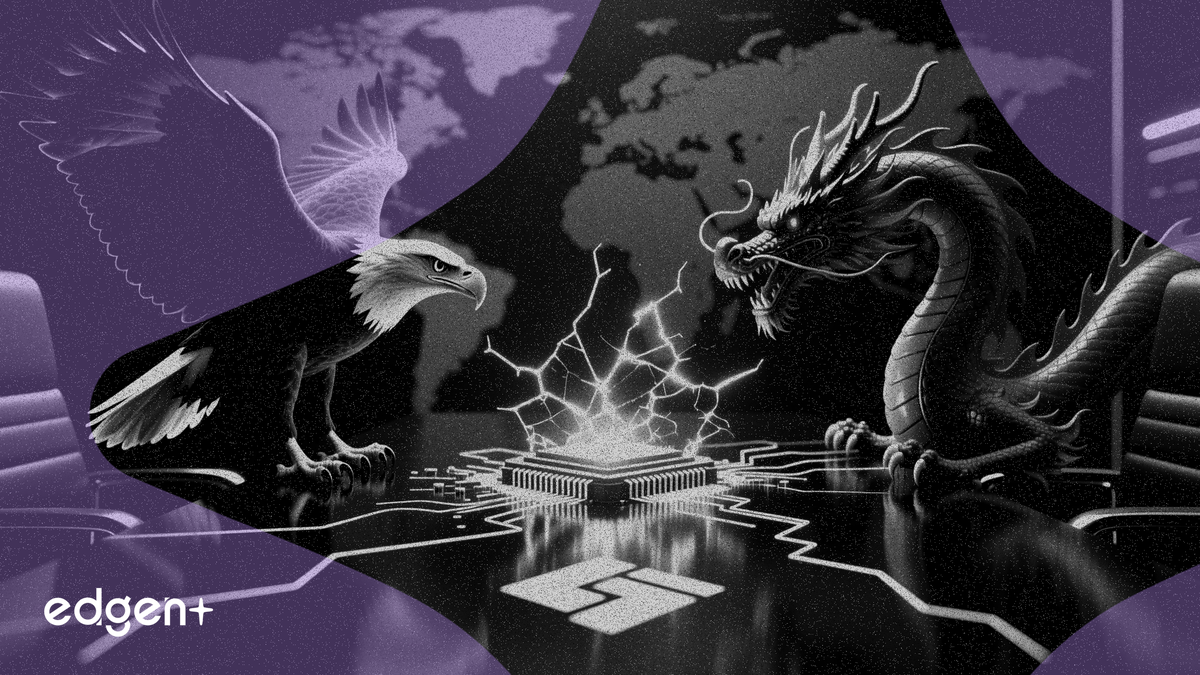
(May 16, 2026) The summit between U.S. President Donald Trump and Chinese leader Xi Jinping in Beijing concluded with significant purchase agreements but left major strategic issues unresolved, signaling a period of continued stability rather than a breakthrough in relations.
“We have resolved many important issues,” President Trump said, adding he was willing to work with Xi to “usher in the best US-China relationship in history.” The two leaders agreed that Iran cannot obtain a nuclear weapon and called for the reopening of the Strait of Hormuz.
The White House announced that China committed to purchase 200 American-made Boeing aircraft and at least $17 billion annually in U.S. agricultural products from 2026 through 2028. The summit also established two new government-to-government forums, the U.S.-China Board of Trade and the U.S.-China Board of Investment, to manage bilateral economic issues.
Despite the deals, the summit underscored the deep-seated tensions that remain. The core of the disagreement centers on U.S. restrictions on the sale of advanced semiconductor chips to China, a critical component of Beijing's ambition to lead in artificial intelligence. The lack of a resolution on this front, or on U.S. arms sales to Taiwan, means the fundamental strategic competition between the two powers continues unchanged.
The central question of whether the two powers can avoid the "Thucydides Trap"—a historical pattern where a rising power often clashes with an established one—loomed over the talks. President Xi directly referenced the concept, emphasizing that "equal consultation is the right way to manage differences."
While President Trump focused on immediate trade wins, President Xi issued a stark warning on Taiwan, calling it the “most critical matter” in the relationship. He urged Washington to handle the issue with "extreme caution," stating that mishandling it could push relations into an “extremely dangerous” situation. This leaves the question of future U.S. arms sales to the self-governing democracy as a potential flashpoint.
Ultimately, the summit was what one editorial board called a "Good-News-Is-No-News" event. No major concessions were made, and no new escalations were triggered. For markets, this outcome removes the immediate threat of new tariffs or sanctions, but the underlying uncertainty surrounding the tech sector and geopolitical fault lines in Asia will persist.
This article is for informational purposes only and does not constitute investment advice.
