
Key Takeaways:
- Ground hamburger averaged $6.725/lb through May, up 13% from a year ago
- US cattle herd at 86.2 million head, the smallest since 1951
- Live cattle futures near all-time highs at ~$2.42/lb after May record of $2.54/lb
Key Takeaways:
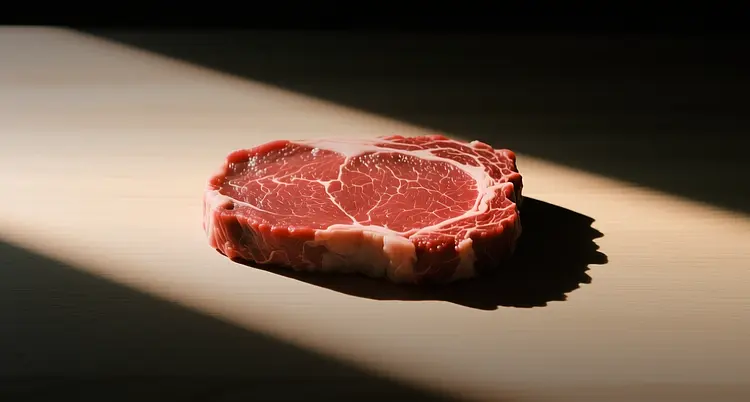
Ground hamburger averaged $6.725 a pound through May, up 13% from a year ago, as the US cattle herd shrank to its smallest since 1951.
"Beef remains the centerpiece of the grill heading into Independence Day, but consumers are facing noticeably higher prices than a year ago," Brian Earnest, lead economist for animal proteins at CoBank, said.
The Agriculture Department reported the US cattle herd at 86.2 million head, the lowest since 1951. Persistent drought on grazing pastures and high feed and labor costs have pushed ranchers to sell animals rather than retain breeding cows. The emergence of New World screwworm — 27 cases confirmed by USDA, mostly in southern Texas — adds further supply-chain complications.
Live cattle futures on the CME traded near $2.42 a pound Monday, off the May record of $2.54 but still up 14% from a year ago. The average cost to host a July Fourth barbecue for 10 people rose 2.4% to $161, or $16 a person, according to Wells Fargo's Agri-Food Institute.
Herd Rebuilding Faces Multiple Headwinds
Reversing the herd contraction will take two to three years, as calves require that long to reach market, said Robin Wenzel, head of Wells Fargo's Agri-Food Institute. USDA's Cattle on Feed report showed May placements fell 9.7% from a year ago, with sharp declines of 50,000 head in Kansas, 85,000 in Nebraska and 70,000 in Texas. The Feeder Cattle Index hit an all-time high of $381.86 last week, according to AgMarket.Net. August feeder cattle futures closed at $369.85 per hundredweight after four consecutive weekly gains.
Protein Switching Gains Traction
Consumers are showing more willingness to trade across proteins as beef prices climb, Earnest said. Chicken breasts and hot dogs rose 3% and 5%, respectively, while pork butts were virtually unchanged from a year ago, Wells Fargo data show. The cost to make deviled eggs fell 14%, though beverages — particularly beer and wine — are expected to be 4% more expensive. The $400 mark for choice beef cutouts has acted as a resistance level, with prices pulling back each time they approach it, said Garret Arndorfer, hedging strategist at AgMarket.Net.
The Trump White House has explored increasing beef imports and subsidizing small meatpackers to ease prices, though both measures face resistance. USDA projects beef and veal prices will rise 7.5% in 2026, sharply below the 12.1% increase forecast in May. The next demand signal comes after the July Fourth holiday, when consumer appetite for beef typically wanes during the summer heat.
This article is for informational purposes only and does not constitute investment advice.
