
The average underwater auto borrower now owes over 40% more than their vehicle is worth compared to 2021, signaling a severe hangover from the pandemic's used car price boom.
The average underwater auto borrower now owes over 40% more than their vehicle is worth compared to 2021, signaling a severe hangover from the pandemic's used car price boom.
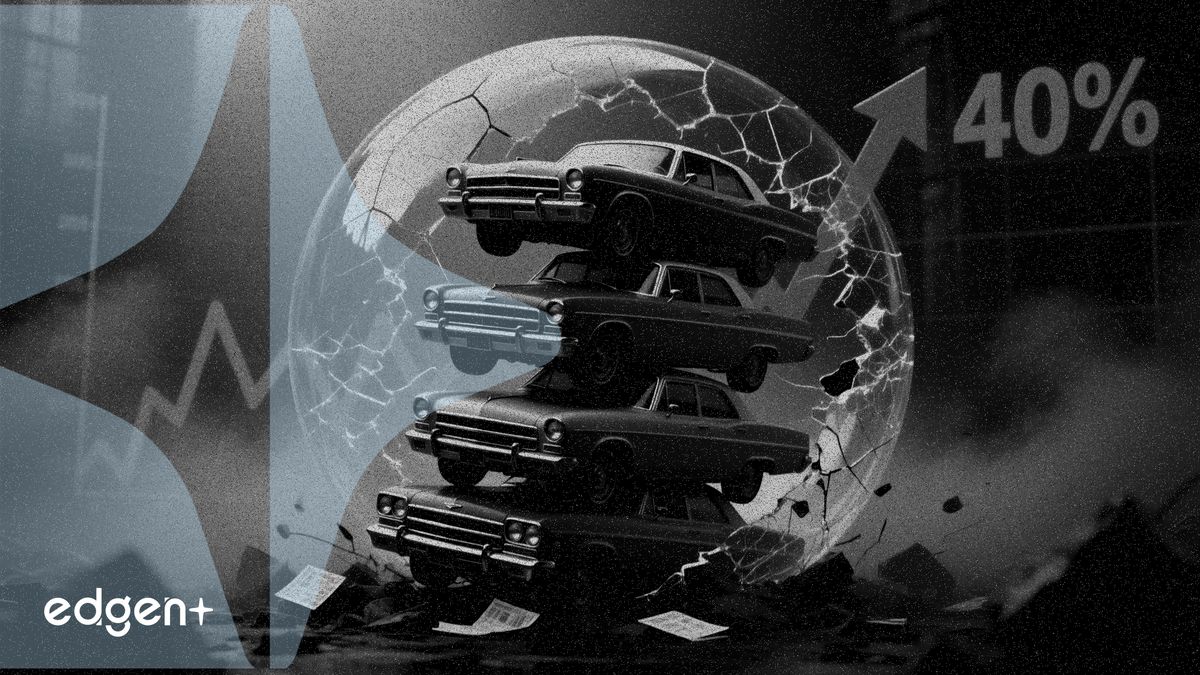
A surge in negative equity among US auto borrowers is intensifying financial strain on consumers, with the average amount owed on underwater vehicle loans jumping more than 40% since 2021. This sharp increase reflects the deflation of the pandemic-era car price bubble, leaving millions of recent buyers with loans that exceed the depreciating value of their vehicles.
"We are seeing the inevitable and painful unwinding of the pandemic auto bubble," said John Davis, a senior analyst at AutoFinance Analytics. "Consumers who purchased at the peak are now facing a double whammy of high interest rates and rapidly depreciating assets, significantly increasing the risk of widespread defaults."
The average negative equity on a traded-in vehicle hit an estimated $6,000 in the first quarter of 2026, up from approximately $4,200 in the same period in 2021. The trend is exacerbated by a broader auto market slowdown, with global sales facing headwinds and a notable shift in the electric vehicle segment from price-driven competition to value and features, as noted in recent market analysis.
This growing debt burden poses a direct threat to the stability of the auto lending market, a cornerstone of consumer credit. A rise in defaults could pressure the profitability of lenders from major banks to specialized auto finance companies and may serve as a leading indicator for a broader contraction in consumer spending as households are forced to allocate more income to service underwater debt.
The root of the current crisis lies in the unique market conditions of 2021 and 2022. A combination of semiconductor shortages, supply chain disruptions, and robust consumer demand fueled by stimulus payments sent used car prices to unprecedented levels. Many buyers, facing limited inventory and intense competition, accepted loans that priced in this temporary inflation. Now, as vehicle values normalize, these borrowers find themselves trapped.
The situation is particularly acute for those who financed vehicles with long-term loans of 72 or 84 months, a practice that became more common during the price surge. These extended terms mean borrowers build equity at a much slower pace, leaving them vulnerable to depreciation. The financial stress is not isolated, as reports indicate a broader trend of American consumers being trapped in pandemic-related car debt.
The implications extend beyond individual households. The auto loan sector, with trillions of dollars in outstanding debt, is a significant component of the US financial system. While the current situation is not a repeat of the 2008 subprime mortgage crisis, the increasing number of underwater loans is a flashing yellow light for the economy.
This trend could lead to tighter lending standards as financial institutions reassess risk, potentially making it more difficult and expensive for future buyers to secure financing. This, in turn, could further dampen auto sales, creating a negative feedback loop for manufacturers and dealers already grappling with a complex global market. The situation also adds another layer of complexity for the Federal Reserve, as signs of consumer distress may influence future monetary policy decisions, a topic of intense market speculation.
This article is for informational purposes only and does not constitute investment advice.

