

The tentative US-Iran ceasefire extension could reshape oil markets and crypto risk appetite over the next 60 days.
The tentative US-Iran ceasefire extension could reshape oil markets and crypto risk appetite over the next 60 days.
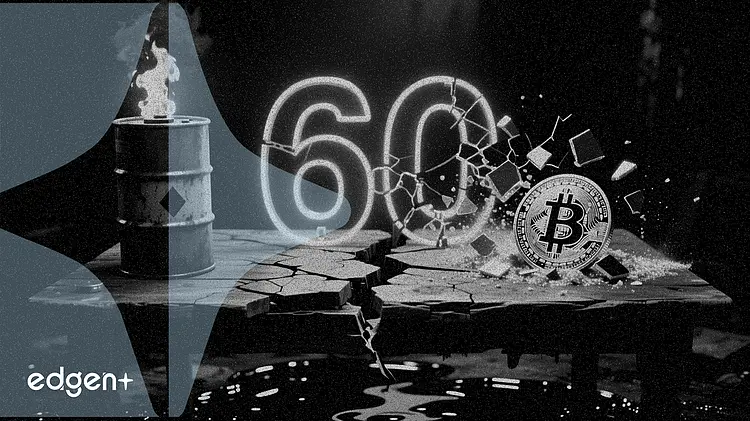
The tentative US-Iran ceasefire extension could reshape oil markets and crypto risk appetite over the next 60 days.
US and Iranian negotiators agreed on a framework to extend their ceasefire by 60 days and open talks on Iran's nuclear program, though President Donald Trump has yet to sign off, four sources familiar with the matter said.
"The broad outlines of an agreement have been reached, but until Trump signs off, there is no deal," a US official familiar with the private diplomacy said, speaking on condition of anonymity.
The memorandum of understanding would lift Washington's naval blockade of Iranian ports, grant sanction waivers for Iran's oil sales and restore unrestricted passage through the Strait of Hormuz, which normally handles about a fifth of global liquefied natural gas and oil trade. Iran would have 30 days to remove mines from the shipping channel, according to the tentative terms first reported by Axios.
A finalized deal would mark the first substantive breakthrough in the 3-month-old conflict, which began with an initial ceasefire on April 8 but has seen repeated violations from both sides. Trump has warned that "option B" — a return to combat operations — remains on the table if negotiations fail.
The tentative agreement comes after a week of renewed hostilities. The US conducted strikes on missile launch sites and minelaying boats in southern Iran earlier this week, while Iran's Islamic Revolutionary Guard Corps retaliated by targeting a US air base in Kuwait, according to US Central Command. Kuwait's military said its air-defense systems intercepted incoming missiles and drones Thursday.
The Strait of Hormuz's closure has sent global oil prices soaring, driving up fuel costs worldwide and adding to political pressure on Trump's Republican Party ahead of midterm elections. Growing voter disquiet about high gasoline prices has weighed on the party's prospects, with analysts expecting a tough fight to maintain control of the House of Representatives.
Bitcoin and Risk Assets Eye the Outcome
For crypto markets, a de-escalation in the Middle East carries a dual effect. While reduced geopolitical tensions typically lower safe-haven demand for Bitcoin in the short term, the broader boost to risk appetite could drive capital into risk-on assets including cryptocurrencies. Bitcoin's price prediction has returned toward the $100,000 level as traders weigh the Iran war volatility against oil-market pressure and shifting institutional positioning.
The 60-day window provides a period of reduced uncertainty for both traditional and digital asset markets. Oil prices are expected to stabilize or decline if the ceasefire holds, easing inflationary pressures that have weighed on risk assets globally. That dynamic could strengthen Bitcoin's narrative as a macro hedge, even as short-term safe-haven flows rotate back into equities and other risk-on instruments.
Nuclear Talks and the Path Forward
The extended ceasefire would allow US and Iranian teams to address the far more complex technical issues at play, particularly Iran's stockpile of highly enriched uranium. Trump has suggested the US could take possession of the stockpile or work with Iran to dilute it in place or at a third location. Iran has consistently denied plans to develop a nuclear weapon.
Trump faces pressure from Iran hawks in his own party who have urged him not to approve any agreement that fails to immediately address the nuclear program. The president canceled his weekend plans and skipped his son's wedding last week, citing "circumstances pertaining to government," fueling expectations of a deal — only for a senior administration official to later downplay an imminent announcement.
This article is for informational purposes only and does not constitute investment advice.
