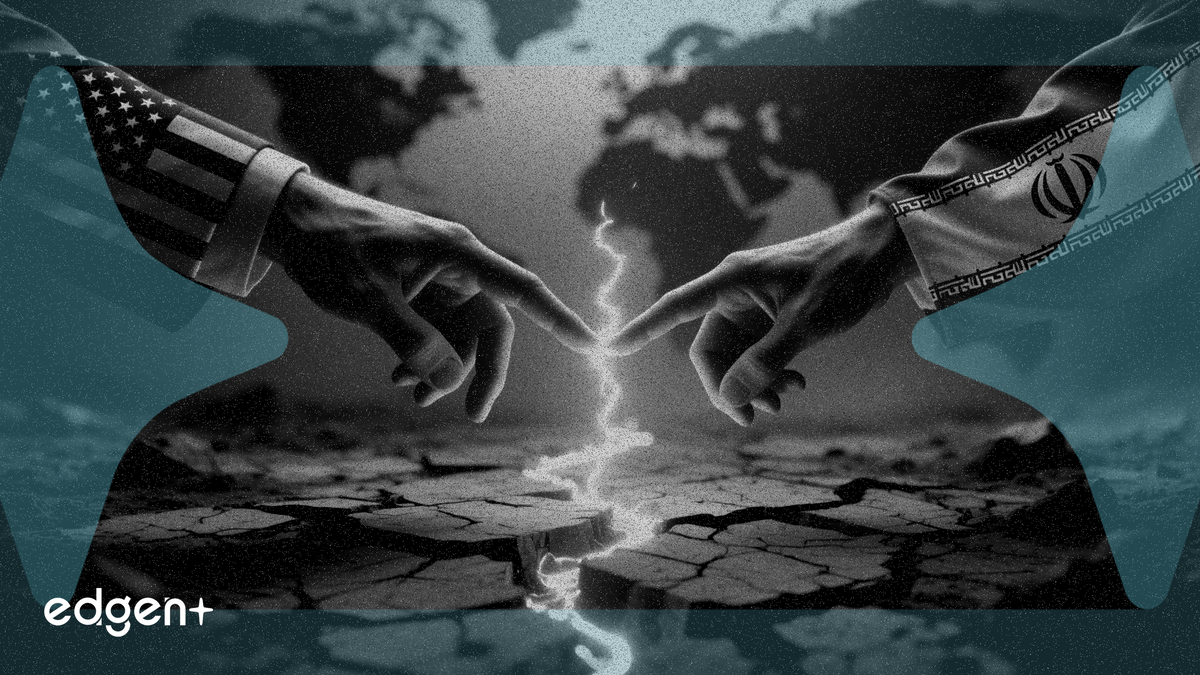
U.S. and Iranian officials are continuing contact after recent talks ended without an agreement, with a second face-to-face meeting possible before a temporary two-week ceasefire expires, influencing the geopolitical risk premium on crude oil. The ongoing discussions are a critical focus for energy and equity markets, which remain sensitive to developments in the Middle East.
"Contact is ongoing and we are making progress toward a potential agreement," a U.S. official said, according to reports from CBS and NBC News. This communication follows a round of negotiations in Islamabad that concluded on the 12th, which Iran's delegation described as occurring in an "atmosphere of mistrust and suspicion."
The uncertain outcome of the talks is keeping a floor under oil prices, with Brent crude trading cautiously. A breakthrough could see the geopolitical risk premium unwind, potentially leading to a decrease in oil prices and a rally in equity markets. Conversely, a failure could cause a spike in oil prices and a flight to safe-haven assets like gold and the U.S. dollar.
The key issue is whether the current two-week ceasefire will be extended to allow more time for negotiations. A second round of direct talks could take place as soon as the 16th in Islamabad, according to a report from RIA Novosti, though Geneva is also being considered as a potential venue.
Diplomatic Channels Remain Open
Despite the lack of a breakthrough in the initial meeting, U.S. government officials are internally discussing the details for a second round of face-to-face talks, CNN reported. The timing and location of any future meeting are contingent on progress in the ongoing remote discussions.
The previous talks in Islamabad were held after multiple locations were considered, including Geneva, Vienna, and Istanbul. The fact that Islamabad and Geneva are again on the shortlist suggests a willingness to continue dialogue. However, both sides have acknowledged significant disagreements on two or three key issues, with the U.S. stating its "red lines" were not accepted by Iran.
Market Impact and Potential Scenarios
The market implications of these negotiations are significant. A successful deal or a simple extension of the ceasefire would be seen as a de-escalation, likely leading to a reduction in the geopolitical risk premium that has been supporting oil prices. This could provide a tailwind for global equities and put downward pressure on the U.S. dollar as demand for safe havens wanes.
Conversely, if talks break down and the ceasefire expires, market volatility could increase sharply. A return to heightened tensions could disrupt oil supply routes and lead to a rapid increase in energy prices, complicating the global inflation picture. The last major escalation in the region saw Brent crude prices jump by over 5 percent in a single week. Investors will be closely watching the 16th as a potential date for the next chapter in these critical negotiations.
This article is for informational purposes only and does not constitute investment advice.