

United Airlines approached Delta and American about mergers, and both talks collapsed — yet the CEO's standalone strategy still holds.
United Airlines approached Delta and American about mergers, and both talks collapsed — yet the CEO's standalone strategy still holds.
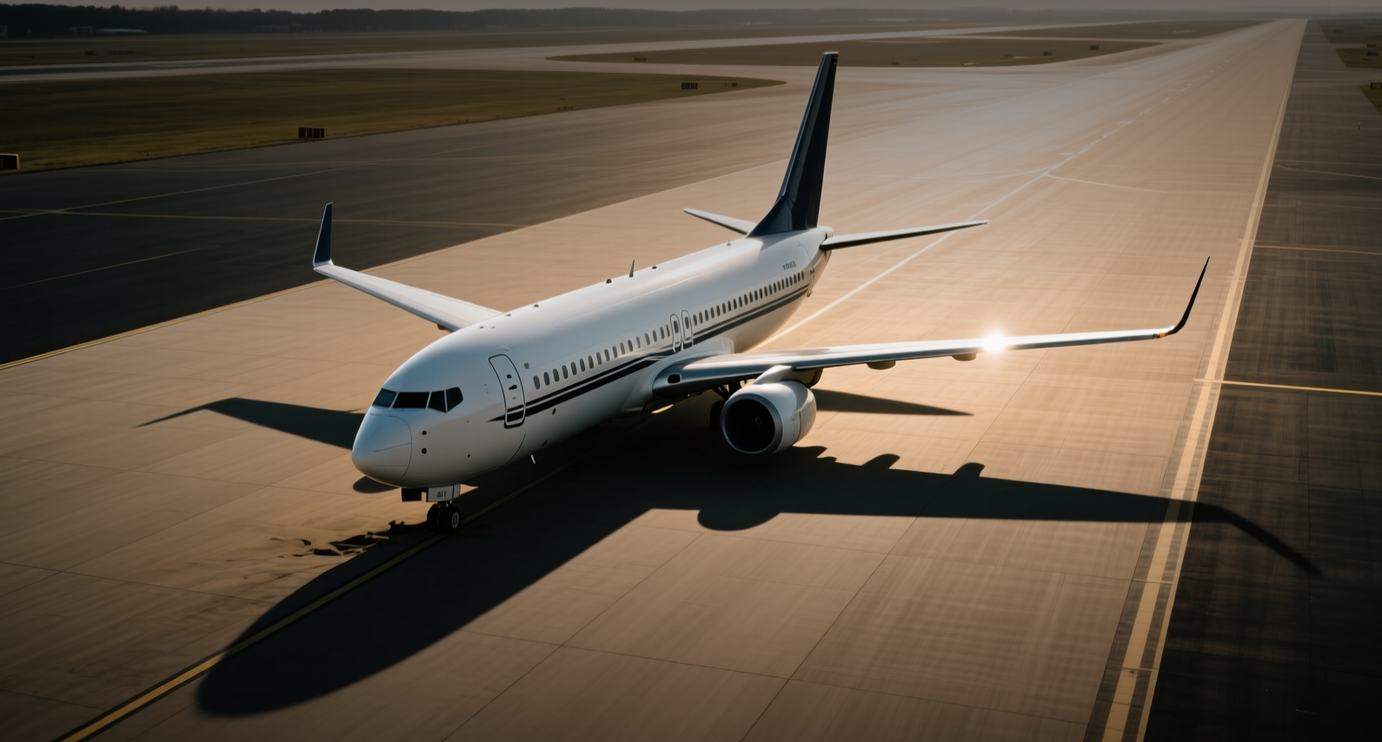
United Airlines approached Delta Air Lines and American Airlines about potential mergers, and both sets of talks collapsed, leaving the carrier to press on with a standalone strategy its chief executive insists remains on the right trajectory.
"United's failed approaches to Delta and American appear to make little sense," Barron's wrote in an Aug. 3 analysis. "Investors should trust the CEO anyway."
The two aborted approaches would have redrawn the map of U.S. aviation, where United, Delta and American — the so-called Big Three — control the bulk of domestic capacity. A tie-up with either rival would have created a carrier with a dominant share of hubs and transatlantic routes, and would have forced regulators to weigh a consolidation that antitrust enforcers have repeatedly resisted.
The collapse leaves the industry's competitive structure unchanged, and United must now grow organically — expanding its international network and premium cabins — to close the margin gap with Delta, the most profitable of the three. The next test comes when United reports quarterly results, where investors will look for load factor and unit revenue trends to validate the CEO's confidence.
A history of consolidation that stalled
The failed approaches echo a pattern in United's own history. The carrier's 2010 merger with Continental created the modern United, part of a wave of consolidation that followed the 2008 financial crisis — Delta combined with Northwest that year, and American tied up with US Airways in 2013. Those deals shrank the legacy field to three and helped restore pricing power after years of losses.
A fresh round of consolidation would have been far harder to clear. Regulators have grown more skeptical of airline mergers, and a United-Delta or United-American combination would have concentrated an already tight market. The Justice Department's successful challenge to JetBlue's proposed tie-up with Spirit Airlines signaled the antitrust climate carriers now face.
For United, the strategic logic of a deal was clear on paper. Combining with Delta would have given it a near-unmatched network across the Atlantic and the U.S. Southeast; a union with American would have deepened its presence in hubs like Dallas and Charlotte. But the premium required to win over either board — and the regulatory gauntlet that followed — made the math difficult.
The CEO's case now rests on execution. United has bet heavily on international flying, adding wide-body aircraft and premium seats to capture higher-yielding travelers, and on its hub-and-spoke network in Chicago, Houston, Newark and San Francisco. Investors will judge whether that bet closes the gap with Delta, which has consistently posted the industry's best margins.
If United delivers on that plan, the failed deals may come to look like a missed opportunity rather than a strategic error. If it stumbles, the question of whether a merger was the better path will resurface — and the CEO's confidence will face a harder test.
This article is for informational purposes only and does not constitute investment advice.
