


TSMC and Broadcom are on track to double their valuations and join Alphabet in the $4 trillion market cap club by 2028.
TSMC and Broadcom are on track to double their valuations and join Alphabet in the $4 trillion market cap club by 2028.
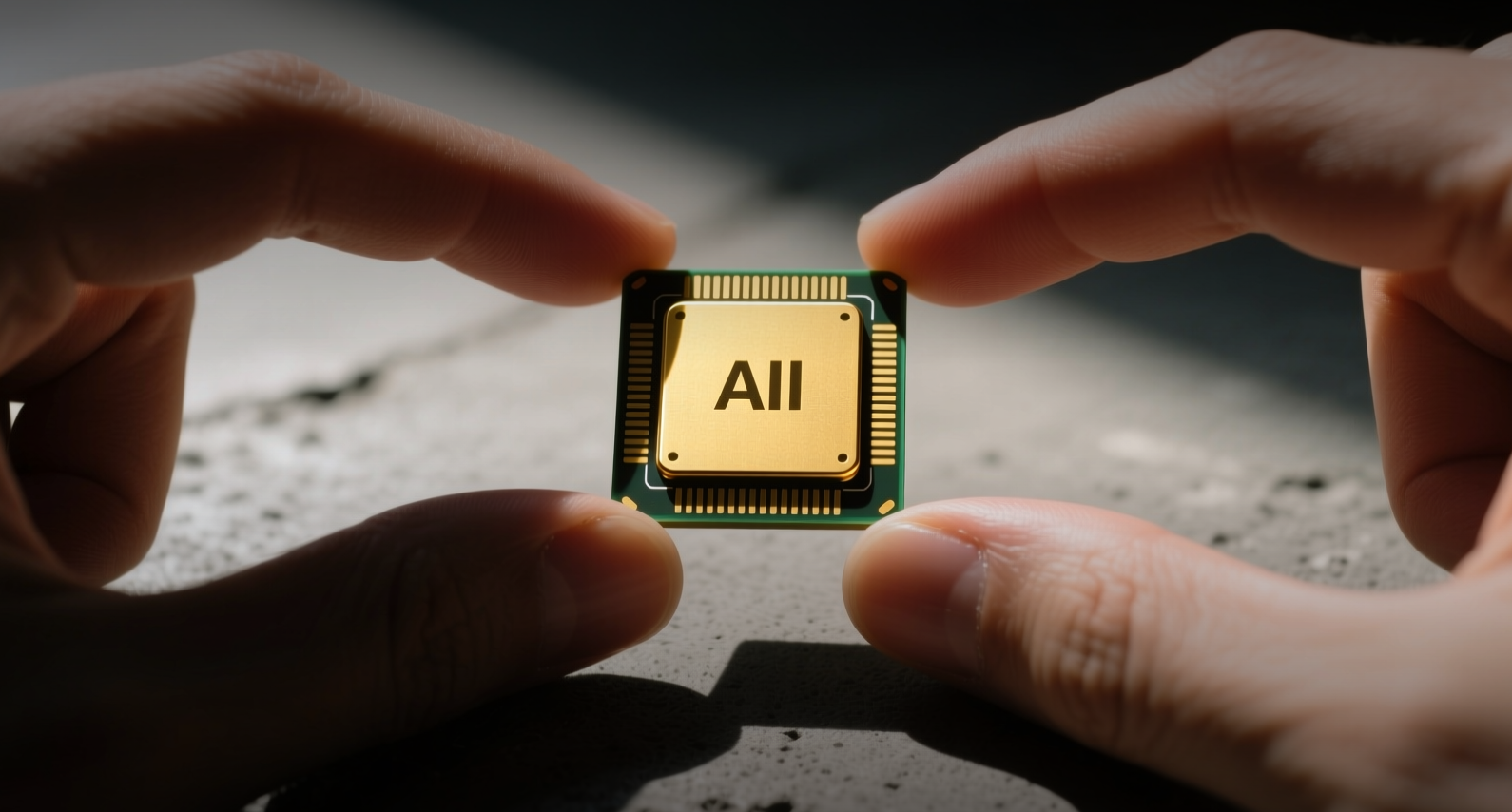
Taiwan Semiconductor Manufacturing and Broadcom, the two largest AI hardware suppliers outside Nvidia, are projected to reach $4 trillion market caps by 2028, roughly doubling their current valuations of $2.2 trillion and $2.0 trillion.
"Chip demand looks strong through at least 2029 to 2030," TSMC CEO C.C. Wei said on the company's latest earnings call, citing multiyear demand for advanced process nodes.
Wall Street projects $24.46 in earnings per share for TSMC in 2028. At a price-to-earnings ratio of 30, that values the stock at $733 per share, implying 71% upside from the current $430.49. Broadcom, trading at $417.82, is expected to earn $21.28 per share in 2028, which at the same multiple prices the stock at $638, up 52%.
Both companies sit at the center of the AI infrastructure build-out, with hyperscalers projected to spend more than $700 billion on AI data centers in 2026 alone. If that spending holds, TSMC and Broadcom could cross the $4 trillion threshold by 2028 — though analysts note Wall Street has consistently underprojected TSMC's growth rate.
TSMC's AI Demand Runs Through the Decade
TSMC's first-quarter results showed the AI cycle is far from cooling. Revenue jumped 40.6% year over year to $35.9 billion, with net income surging 58%. High-performance computing, which captures most AI-related work, grew 20% sequentially and now accounts for 61% of total sales. The 3-nanometer node, used by the most demanding AI workloads, contributed a quarter of wafer revenue.
Management raised its full-year 2026 revenue growth outlook to above 30% in U.S. dollar terms and lifted its long-term forecast for AI accelerator revenue to a compound annual growth rate in the mid-to-high 50% range from 2024 through 2029. The company also announced another $100 billion investment in its Arizona facilities, reflecting the scale of capacity expansion underway.
TSMC's 2026 capital expenditures are expected to land at the high end of a $52 billion to $56 billion range, up from about $40.9 billion in 2025. The chipmaker is building new 3-nanometer fabs in Taiwan, Arizona, and Japan while racing to ramp 2-nanometer capacity. Customers including Microsoft and Alphabet rely on TSMC's foundry for their AI accelerators, making the company the primary bottleneck in the AI supply chain.
Broadcom's Custom Silicon Push
Broadcom's growth story differs from TSMC's. Instead of selling general-purpose GPUs, Broadcom partners with AI hyperscalers — including Alphabet — to design custom AI chips. These purpose-built processors can outperform GPUs in specific workloads and stretch capital expenditure dollars further by delivering more compute at lower cost.
CEO Hock Tan has told investors that Broadcom's AI semiconductor business will generate more than $100 billion during 2027, a major increase from current levels. The company's gross margin of 65.66% reflects the pricing power of its custom silicon franchise.
Wall Street's 2028 earnings estimate of $21.28 per share for Broadcom may understate the opportunity. Only two long-term analyst estimates exist for 2028, and the adoption of custom AI infrastructure by multiple hyperscalers could drive several years of strong growth.
TSMC trades at roughly 30 times forward earnings, in line with its historical premium for above-average growth and market position. Broadcom trades at a similar multiple. If both companies deliver on their AI growth trajectories, the $4 trillion milestone is within reach by 2028 — though a slowdown in hyperscaler capital spending remains the primary risk to the thesis. A pullback in AI investment would compress utilization rates and pricing power at both companies, potentially delaying the milestone by several years.
This article is for informational purposes only and does not constitute investment advice.
