
Trump's plan to fill the strategic reserve with Venezuelan crude faces a wall of analyst skepticism, even as the president prepares to press oil executives on pump prices.
Trump's plan to fill the strategic reserve with Venezuelan crude faces a wall of analyst skepticism, even as the president prepares to press oil executives on pump prices.
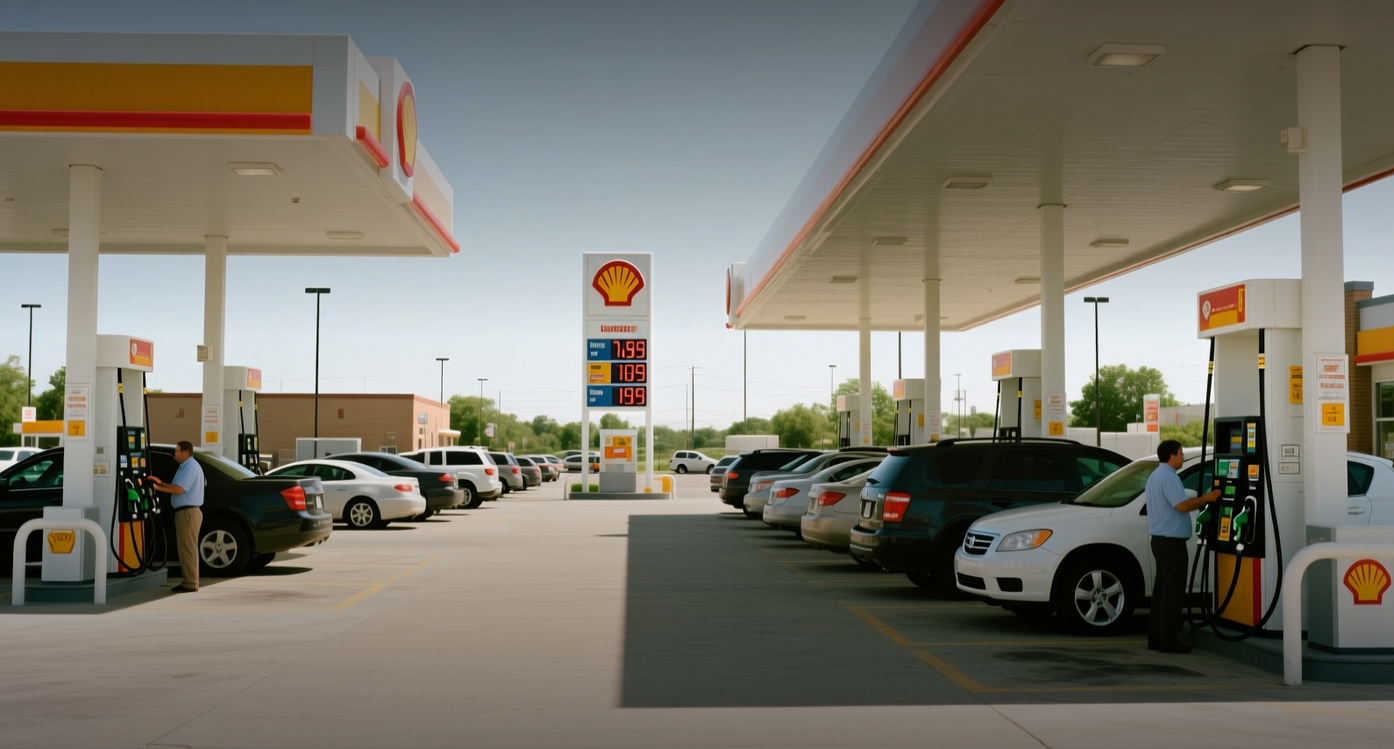
President Donald Trump will meet oil executives this week to press for lower gasoline prices, even as analysts dismiss his plan to draw on 65 billion barrels of Venezuelan reserves as years away from moving the pump.
"The 65 billion barrel number is a red herring and will have little relevance to any actual deals," Rory Johnston, founder of oil market research firm Commodity Context, said on X.
Venezuela produces about 1.2 million barrels a day, with much of the recent increase coming from Chevron ramping up existing wells rather than new drilling. The U.S. strategic reserve has fallen to a 40-year low during the ongoing war on Iran, which has kept WTI and Brent crude elevated after strikes on Kharg Island, Iran's main oil export terminal.
The meeting comes as Republicans make affordability a centerpiece of their midterm campaign, with gasoline prices a politically sensitive gauge. If the Venezuela plan fails to deliver near-term relief, the administration faces pressure to lean on domestic producers or accept higher prices through the election.
The meeting with oil executives is expected to focus on near-term measures, including pressure on producers to boost output and calls for lower refining margins. Executives have historically resisted direct government pressure on pricing, pointing instead to supply constraints and regulatory costs that keep production costs high.
Trump said on Truth Social that the U.S. has secured majority control of more than 65 billion barrels of Venezuelan oil, calling it a "Historic Transaction" that "MORE THAN DOUBLES American Oil Reserves" and will "substantially lower Gas Prices for all Americans." In a separate post, he said some of that oil will be used to "fill up the strategic national reserves."
Analysts across the industry questioned the near-term impact. Patrick De Haan, head of petroleum analysis at GasBuddy, said drilling and pumping that oil "will take a very long time" and that "changes to fuel prices won't happen overnight or even in months." Tracy Shuchart, senior economist at NinjaTrader Live, said the "easy barrels are already back" and that "the barrels that could actually move a US pump price are 5 to 15 years out."
Amena Bakr, head of Middle East and OPEC+ research at Kpler, pointed to the scale of investment required. "Years of consistent major investments are needed to build new oil infrastructure for oil production to cross the 1.5 million bpd mark in Venezuela," she said on X.
Venezuela's interim President Delcy Rodríguez said on state television that the new U.S.-Venezuela energy agreement calls for the development of 17 oilfields with a production target of more than 1.5 million barrels per day. The U.S. captured former leader Nicolás Maduro in a surprise overnight raid in January, with Trump accusing him of using Venezuela's oil industry to fund narco-terrorism.
The skepticism echoes the last time the administration leaned on energy policy to address pump prices. When the U.S. released barrels from the strategic reserve in prior supply shocks, crude prices initially fell but rebounded within weeks as the underlying supply deficit persisted. The current backdrop is complicated by the war on Iran, which has kept Brent and WTI elevated after U.S. strikes on Kharg Island.
Higher crude feeds directly into the pump prices voters track, and through them into inflation expectations that shape Federal Reserve policy. A sustained rise in gasoline costs would complicate the affordability message Republicans are running on, even as the Venezuela deal offers little near-term supply relief.
For the midterms, the stakes are direct: gasoline prices are among the most visible economic indicators voters track. If the Venezuela deal cannot deliver near-term relief, the administration's affordability message rests on domestic producers and whatever supply the market can absorb from the Iran conflict.
This article is for informational purposes only and does not constitute investment advice.
