
A statement from a former US President revives questions about a multi-pronged strategy of sanctions, seizures, and secret lobbying that defined the US-Venezuela relationship.
A statement from a former US President revives questions about a multi-pronged strategy of sanctions, seizures, and secret lobbying that defined the US-Venezuela relationship.
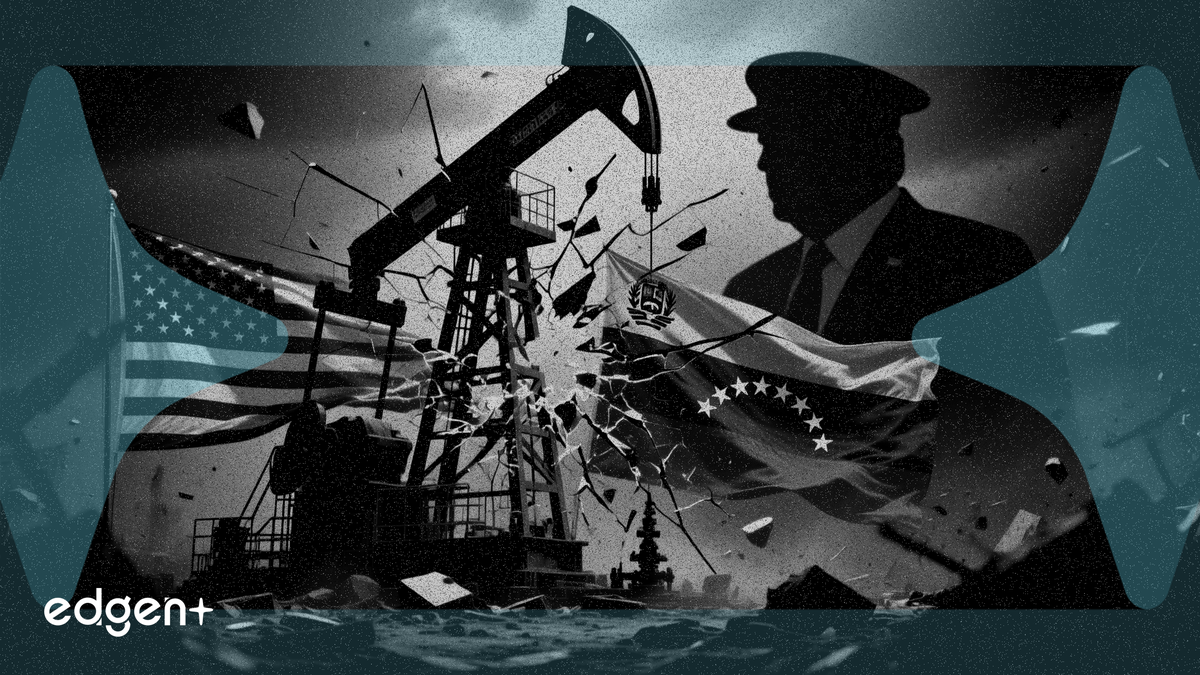
Former President Donald Trump’s recent claim that the U.S. is “taking millions of barrels of oil from Venezuela” puts a spotlight on a years-long economic conflict that has blended sanctions with secret, high-stakes lobbying efforts, including a $50 million consulting deal with a Venezuelan state-owned oil company.
The U.S. has justified its actions as part of a broader strategy to enforce international sanctions, creating a legally ambiguous situation. "The United States seems to take the line that the conflict never fully switched off — that is there is still a state of armed conflict," said Jason Chuah, a law professor at the City University of London, regarding similar U.S. actions against Iranian vessels.
The strategy has involved direct interdiction, with U.S. forces boarding and seizing tankers suspected of carrying sanctioned oil, as seen in operations in the Bay of Bengal. Concurrently, a federal trial has exposed a shadow campaign where political operatives sought to influence U.S. policy, arranging meetings for Venezuelan figures with top officials like then-Vice President Mike Pence and Senator Marco Rubio.
This aggressive and multifaceted U.S. posture creates significant uncertainty for energy markets and international companies. While sanctions aim to isolate the Maduro regime, firms like Spain's Repsol are simultaneously signing new deals to export Venezuelan natural gas, highlighting the tension between geopolitical risk and global energy demand. Any escalation or perceived change in U.S. enforcement could introduce fresh volatility into crude oil prices.
Recent court proceedings against former Congressman David Rivera have pulled back the curtain on a sophisticated lobbying effort on behalf of Venezuela. Prosecutors allege Rivera and a political consultant failed to register as foreign agents after securing a $50 million contract in 2017 with PDV USA, the U.S. subsidiary of Venezuela's national oil company. Evidence presented shows Rivera advising Venezuelan businessman Raúl Gorrín on how to mislead reporters about private meetings with Vice President Pence, which were part of a broader attempt to broker a favorable exit for Nicolás Maduro's government. These efforts included drafting letters to President Trump and arranging discussions with other influential politicians, demonstrating a complex interplay between official sanctions and clandestine diplomacy.
The public-facing element of U.S. strategy has been the aggressive enforcement of sanctions at sea. The Pentagon has confirmed multiple "right-of-visit maritime interdictions" of vessels, describing them as part of a global effort to disrupt illicit networks supporting sanctioned regimes like Iran and Venezuela. While the seizure of the M/T Tifani involved Iranian crude, it exemplifies the tactics U.S. forces are authorized to use. Gen. Dan Caine, chairman of the Joint Chiefs of Staff, has stated that enforcement extends to international waters, targeting any vessel providing material support. This policy has raised legal questions, particularly when such actions occur during supposed ceasefires, blurring the lines between economic pressure and acts of war.
This article is for informational purposes only and does not constitute investment advice.

