Donald Trump's latest tariff regime penalizes Britain more than the European Union, eroding a competitive advantage UK exporters had enjoyed since last year's trade deal.
The US imposed 10pc tariffs on UK goods on top of existing World Trade Organization levies, while the EU's 10pc rate is inclusive of WTO duties — a distinction that leaves British exporters at a disadvantage on pricing.
"There will be concerns about the loss of the UK's competitive advantage over the EU and other countries which have secured a more favorable deal," William Bain, head of trade policy at the British Chambers of Commerce, said.
The new levies, effective July 25, cover more than 99pc of US imports from 60 trading partners, including Japan, Australia, China and South Korea. Japan faces a 12.5pc tariff, as do Australia and New Zealand. The EU and Taiwan pay no more than 10pc on goods where the WTO levy is already below that threshold. The UK, by contrast, pays 10pc on top of WTO rates, which average 2.4pc to 3.5pc for non-agricultural products.
The divergence matters because the US is Britain's largest single-country trading partner. UK goods exports to America have already fallen 15pc since Trump first imposed tariffs last year, dropping to £4.8bn a month from £5.6bn, according to Capital Economics — a £10bn annualized hit equivalent to 0.3pc of GDP.
Scotch whisky gets a reprieve
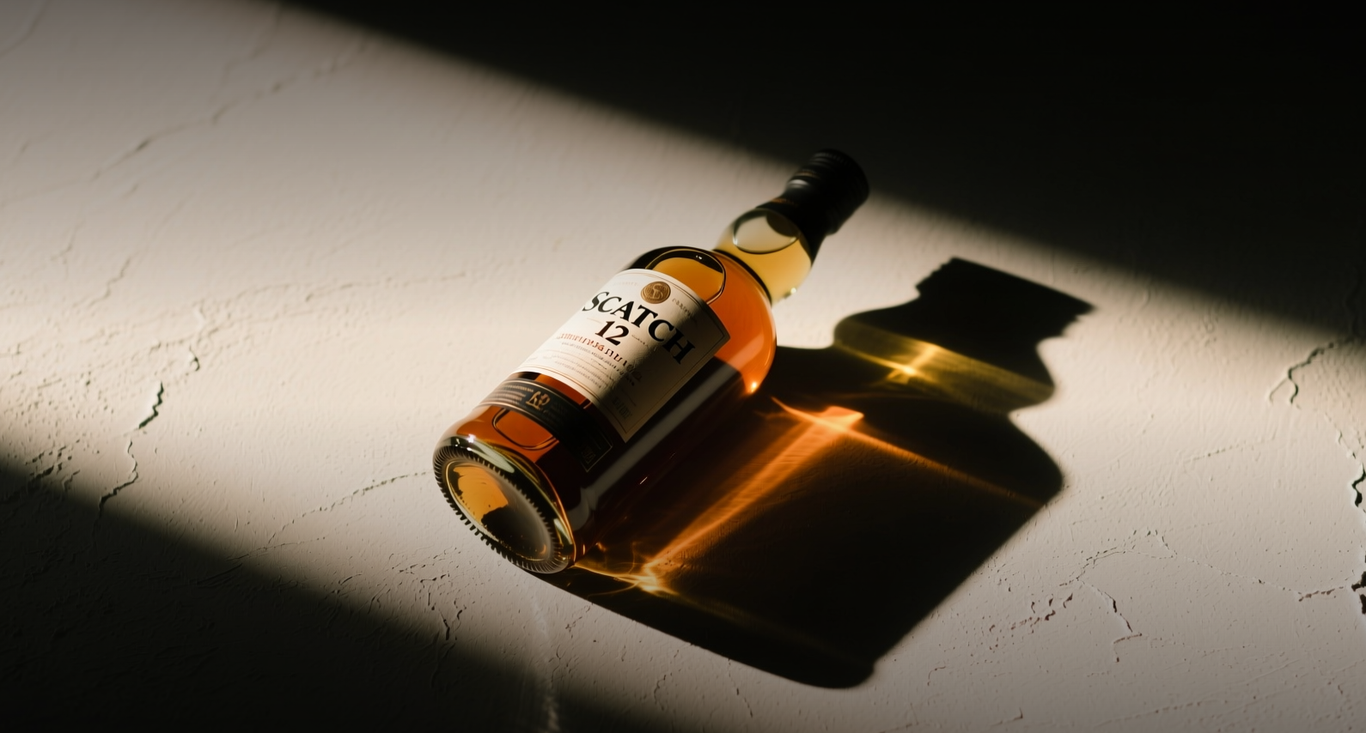
One bright spot for Britain is the removal of tariffs on Scotch whisky, a concession Trump announced during the King's state visit to the US in April. The 10pc levy on whisky imports has been lifted, a move Scotland's First Minister described as a "significant benefit" for an industry that exported £933m worth of product to the US in 2025.
Jonathan Reynolds, the Business Secretary, said the first tariff-free shipment of Scotch whisky would depart the UK within 48 hours. "This historic shipment demonstrates why trade deals with our largest economic partners matter," he said.
The Scotch Whisky Association welcomed the change. "The return of tariff-free trade for Scotch whisky in the US is welcome news for businesses on both sides of the Atlantic," said Ian Duddy, the association's international director.
Market reaction muted but uneven
Equity markets gave a mixed response to the tariff overhaul. The FTSE 100 rose 0.9pc on Friday, while the Stoxx 600 was flat. In Asia, the selloff was sharper: Japan's Nikkei fell 2.7pc and South Korea's Kospi tumbled 5.7pc, led by losses in technology exporters. The S&P 500 was roughly flat, while the Nasdaq Composite dropped 1.1pc.
The Yale Budget Lab calculated that the average US statutory tariff rate rose to 12.8pc from 12.1pc under the new regime. Brent crude, which had surged above $100 a barrel on Thursday amid escalating Middle East hostilities, fell back 5pc to $96 on Friday, providing some relief to import-dependent economies.
Trump threatens EU over tech fines
Separately, Trump threatened to impose "substantial tariffs" on the European Union after the European Commission fined Google €890m (£760m) for competition law violations. In a post on Truth Social, Trump said the US "is not a 'PIGGYBANK' for Europe" and directed his administration to initiate a Section 301 investigation that could lead to fresh levies on the bloc.
The EU expressed relief that the new tariff structure was "in line with the US tariff commitments agreed under the EU-US Joint Statement," according to European Commission spokesman Olof Gill. But analysts warned that further escalation remains likely. "One can expect more tariffs to come for the EU," said Kevin Thozet, a member of the investment committee at Carmignac.
The previous round of US tariffs, introduced on "liberation day" last year, were struck down by the Supreme Court in February, forcing the administration to find new legal justification. The current levies are justified under Section 301 of the Trade Act, citing insufficient action by trading partners to combat forced labor — a rationale that Australia, Japan and New Zealand have all rejected as unfounded.
This article is for informational purposes only and does not constitute investment advice.