
President Donald Trump’s assertion that a US naval blockade of the Strait of Hormuz is “100% effective” has sent shockwaves through global energy markets, pushing oil prices to their highest levels since 2022.
President Donald Trump’s assertion that a US naval blockade of the Strait of Hormuz is “100% effective” has sent shockwaves through global energy markets, pushing oil prices to their highest levels since 2022.
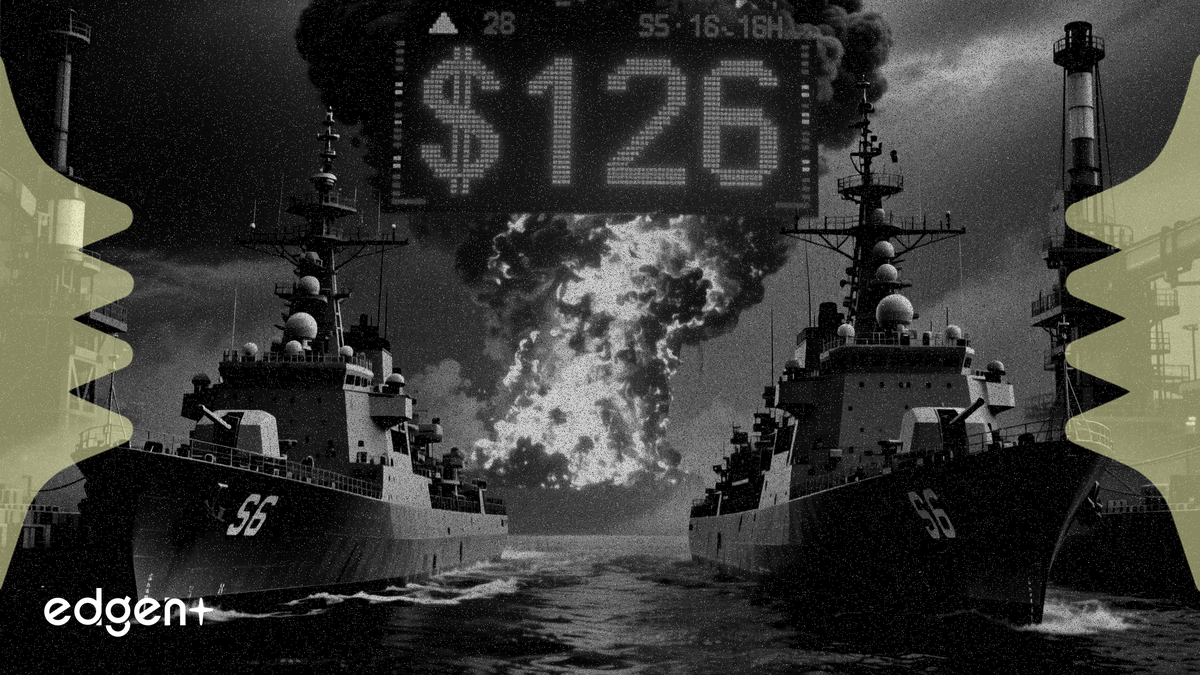
President Donald Trump declared the US naval blockade of Iranian ports “100% effective,” as the pressure campaign chokes off Tehran’s oil revenue and sends global energy prices to wartime highs. Brent crude futures surged to over $126 a barrel, the highest since June 2022, as traders factor in a prolonged shutdown of the world’s most critical waterway for energy flows, which has been effectively closed since the US and Israel started a war with Iran on Feb. 28.
“‘Economic war’ has become the US’s main strategy for getting Iran to make principal concessions to the US,” Macquarie Bank strategist Thierry Wizman said. The Trump administration has doubled down on its blockade, trading global economic pain for strategic leverage over Tehran in what Treasury Secretary Scott Bessent called a “maximum pressure campaign.”
The blockade’s impact has been immediate and severe. The US says it has stopped 42 ships, depriving Iran of an estimated $6 billion in revenue and cutting nearly 15% of the world’s 100 million barrel-per-day oil demand, according to JPMorgan Chase. The pressure is felt at home, with the national average for gasoline rising to $4.30 a gallon, its highest since July 2022. “Their economy is crashing, the blockade is incredible,” Trump told reporters. “So we’ll see how long they hold out.”
The standoff places the global economy on the “path to a major supply cliff,” according to Capital.com analyst Kyle Rodda. The White House is wagering that Iran’s export-dependent economy will buckle before higher fuel prices and renewed inflation inflict unacceptable damage on US consumers and allies, a high-stakes gamble heading into the midterm elections.
The loss of roughly 13.7 million barrels per day of oil supplies has sent ripples across the globe. In import-dependent Asia, the primary market for oil from the Gulf, governments have implemented export bans and shortened work weeks to curb demand. Europe has seen natural gas prices soar and jet fuel shortages force airlines to cancel flights. The International Monetary Fund (IMF) warned in April that the global economy was at risk of recession if the war continued and high energy prices persisted. Shell CEO Wael Sawan noted that global visible oil inventories are likely to soon hit all-time lows as the world replaces nearly 900 million barrels of lost production with stock drawdowns.
The economic war is matched by escalating military rhetoric. Iran's navy commander, Shahram Irani, threatened US forces, stating the Islamic Republic would "very soon" confront the enemy with a weapon "it is deeply afraid of." The threat came after Iran’s new supreme leader, Mojtaba Khamenei, vowed not to give up the country’s nuclear or missile technologies. Meanwhile, US Central Command has reportedly prepared plans for a wave of "short and powerful" strikes on Iran to break the negotiating deadlock, according to Axios. Trump has insisted he’ll maintain the blockade until Iran agrees to a deal over its nuclear program, stating, “The blockade is somewhat more effective than the bombing.”
This article is for informational purposes only and does not constitute investment advice.

