

A new 'AI Token' promotion offering access to former President Donald Trump's Mar-a-Lago estate for a $10,000 investment renews focus on the regulatory and legal risks of politically-connected cryptocurrencies.
A new 'AI Token' promotion offering access to former President Donald Trump's Mar-a-Lago estate for a $10,000 investment renews focus on the regulatory and legal risks of politically-connected cryptocurrencies.
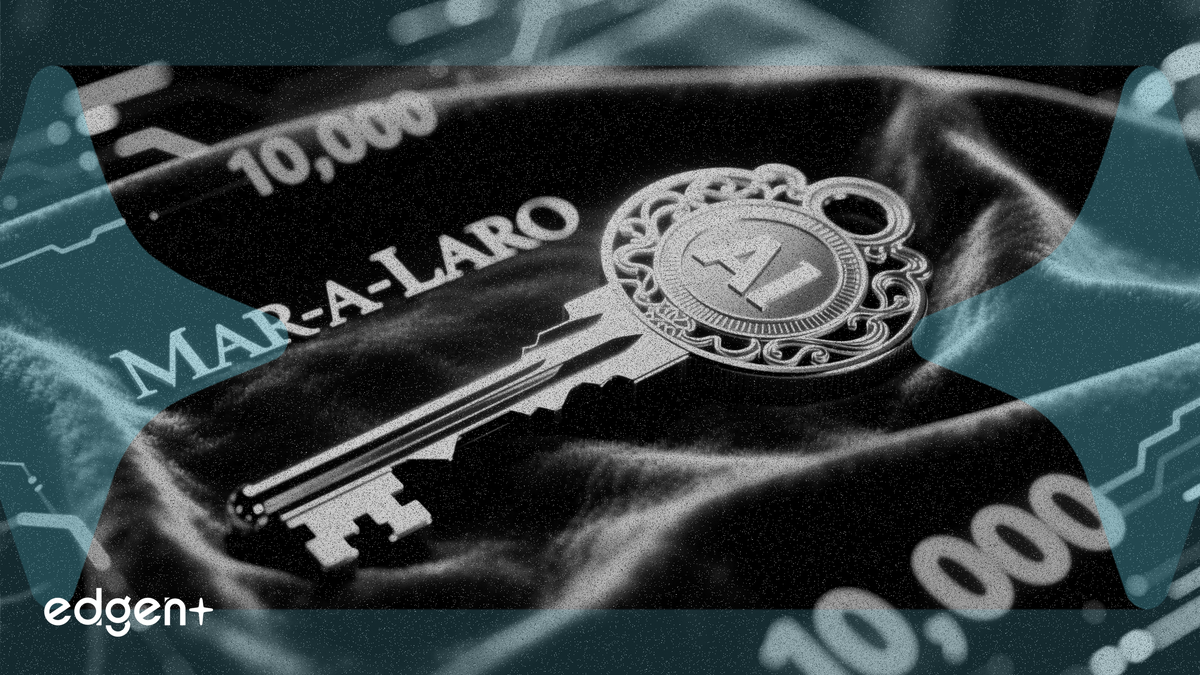
A new cryptocurrency dubbed 'AI Token' is being promoted with an offer of access to an event at Donald Trump's Mar-a-Lago estate in exchange for a $10,000 token purchase. The event places a spotlight on the Trump family's deepening, and often contentious, history in the digital asset space, which has been marked by high-profile lawsuits and significant financial gains.
The promotion follows a pattern of crypto ventures linked to the Trump family that have drawn both investor interest and legal challenges. According to court filings in a separate case, the family's involvement in the World Liberty Financial (WLFI) project, which reportedly generated over $1 billion in token sales, has already led to a major defamation lawsuit against crypto billionaire Justin Sun. That dispute highlights the growing legal risks surrounding token governance and investor rights in politically-charged crypto projects.
These ventures represent significant financial undertakings. Company bylaws for World Liberty Financial indicate that approximately 75 percent of its token sale revenue is connected to Trump family interests. Barron Trump's involvement alone with WLFI reportedly earned him around $150 million, as noted in a report on his other business ventures. This new AI Token promotion suggests the family is expanding its crypto activities despite past and ongoing legal battles.
For investors and regulators, the key issue is the intersection of political influence and unregulated digital assets. The ongoing litigation between WLFI and Justin Sun, where both sides accuse the other of misconduct involving hundreds of millions of dollars in tokens, serves as a stark warning. The case raises unresolved legal questions about whether token freezes violate investor rights and what duties crypto companies owe to their token holders, issues that are likely to attract further regulatory scrutiny.
The 'AI Token' is not an isolated event but the latest in a series of Trump-family-linked digital asset projects. World Liberty Financial became one of the family's most significant crypto ventures after its launch in 2024, attracting early support from figures like Justin Sun before the relationship soured into competing lawsuits. The company is currently suing Sun for defamation in Florida, alleging a smear campaign to devalue its WLFI governance token. Sun had previously sued WLFI, claiming the company illegally froze his assets.
Separately, the family-linked bitcoin mining company, American Bitcoin (ABTC), reported a challenging first quarter in 2026. The public company posted an $81.8 million net loss on revenue of $62.12 million, missing analyst estimates. The loss was driven largely by mark-to-market accounting on its bitcoin holdings, which grew to 7,021 BTC by the end of the quarter.
The fusion of political branding with crypto assets is creating a new frontier for legal and regulatory challenges. The lawsuit involving WLFI may force courts to clarify rules on blockchain governance, token control, and the disclosure of powers that allow project executives to limit investor trading rights. Analysts cited in reports on the case believe the dispute could encourage regulators to look more closely at governance tokens, particularly those tied to political figures.
Federal regulators have already increased their examination of the crypto industry, focusing on token offerings, trading practices, and investor protections. The high-profile nature of the Trump family's ventures, combined with ongoing litigation, makes them a likely focal point for agencies examining the space. The promotion of a new token with access to a political hub like Mar-a-Lago could intensify pressure on lawmakers to establish clearer rules for this emerging class of assets.
This article is for informational purposes only and does not constitute investment advice.
