
The new 50% levy on Canadian autos, wine and dairy marks the sharpest escalation in North American trade policy since the USMCA's expiration.
The new 50% levy on Canadian autos, wine and dairy marks the sharpest escalation in North American trade policy since the USMCA's expiration.
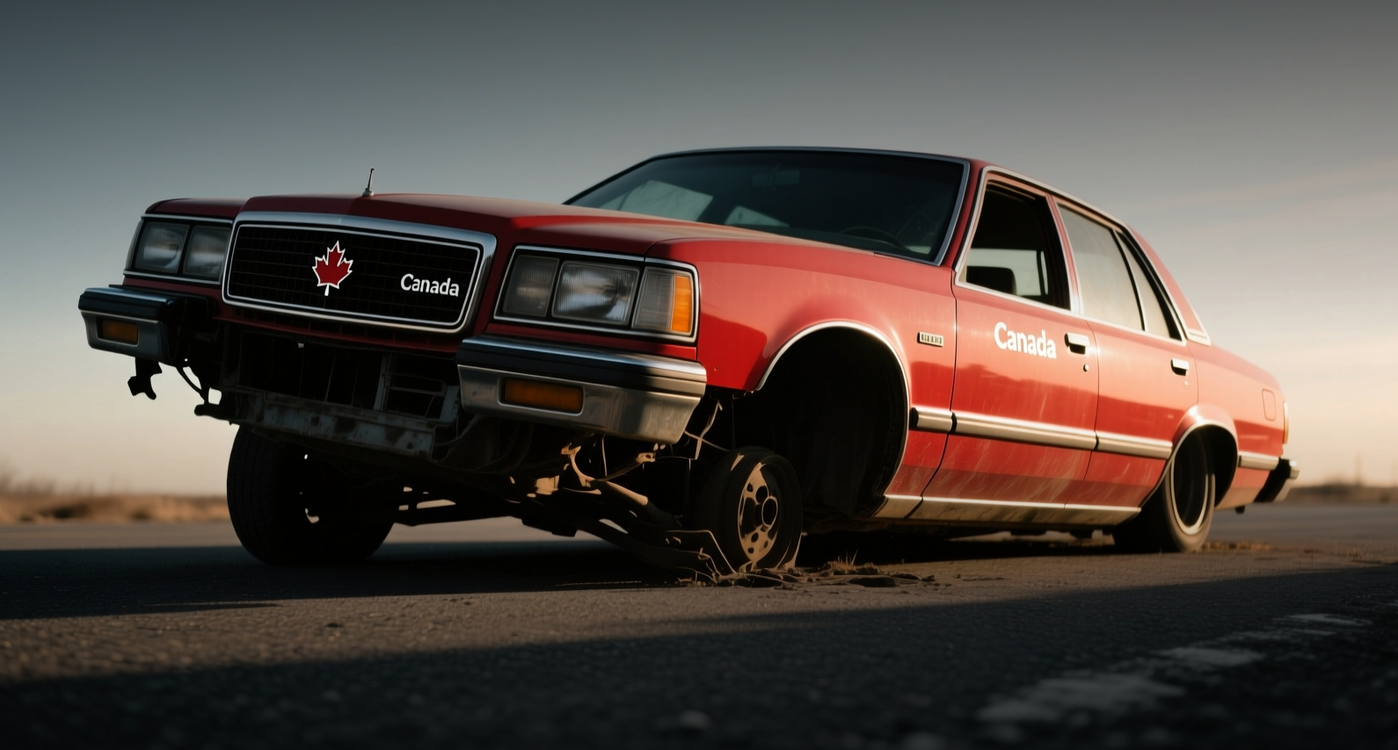
President Donald Trump imposed additional 50% tariffs on Canadian goods Monday, targeting autos, wine and dairy in a move that threatens to reignite a North American trade war.
"Canada was one of the only nations other than China that retaliated against our previous tariffs, and they must be held accountable," a senior administration official said on a call with reporters, speaking on condition of anonymity.
The tariffs, imposed under Section 338 of the 1930 Trade Act, apply to goods including Canadian wine, hockey sticks and automobiles. Energy products, potash, fish and critical minerals are exempt. The measures also cover goods previously protected by the United States-Mexico-Canada Agreement, a 2020 trade pact that recently expired and triggered a new round of negotiations that could run until 2036.
The escalation risks higher inflation for American consumers and further fraying of relations between two economies that had been closely integrated before Trump's return to the White House. Canada's retaliatory 25% tariff on US motor vehicles not qualifying for USMCA preferential treatment, along with provincial bans on American alcoholic beverages, provided the stated justification for the new measures.
Trump's proclamation specifically cited Canada's treatment of US cheese relative to European imports, a long-standing grievance in bilateral trade relations. The administration official said Trump had also requested his aides examine additional tariffs on Canada because its wildfires hurt air quality in the US, broadening the potential scope of trade actions.
The timing of the announcement — one day after Trump and Canadian Prime Minister Mark Carney watched the World Cup final together Sunday — showed the deteriorating diplomatic channel between the two nations. The administration official said their time at the game was not a working visit to discuss trade or tariffs.
The last time the US imposed tariffs of this magnitude on Canada was in early 2025, when Trump levied 25% duties on Canadian steel and aluminum. Canada responded with retaliatory tariffs on US goods worth billions of dollars. The exemption for energy products — Canada's largest export category to the US — may limit some of the economic damage. Potash, a key agricultural input, was also spared, reflecting the sensitivity of food supply chains.
For investors, the widening trade conflict creates uncertainty across multiple sectors. Consumer goods companies with cross-border supply chains face higher input costs, while agricultural producers on both sides confront disrupted export channels. The energy exemption provides a partial buffer, but the broader protectionist trajectory suggests further escalation risks that could weigh on business investment and bilateral trade volumes in the months ahead. The Canadian dollar faces additional pressure as trade uncertainty persists, while US consumers may see higher prices on imported Canadian goods ranging from lumber to maple syrup.
The USMCA renegotiation, now underway with a 2036 deadline, adds another layer of complexity. The new tariffs could harden negotiating positions on both sides, making it harder to reach a comprehensive agreement that restores predictable trade terms for North American businesses.
This article is for informational purposes only and does not constitute investment advice.
