트럼프 대통령의 획기적인 AI 안전 명령 중단 결정은 행정부 내의 깊은 갈등을 드러냅니다. 즉, 미국의 경쟁력에 결정적이라고 여겨지는 기술을, 그 경쟁력의 원천인 혁신을 저해하지 않으면서 어떻게 규제할 것인가에 대한 고민입니다.
트럼프 대통령의 획기적인 AI 안전 명령 중단 결정은 행정부 내의 깊은 갈등을 드러냅니다. 즉, 미국의 경쟁력에 결정적이라고 여겨지는 기술을, 그 경쟁력의 원천인 혁신을 저해하지 않으면서 어떻게 규제할 것인가에 대한 고민입니다.
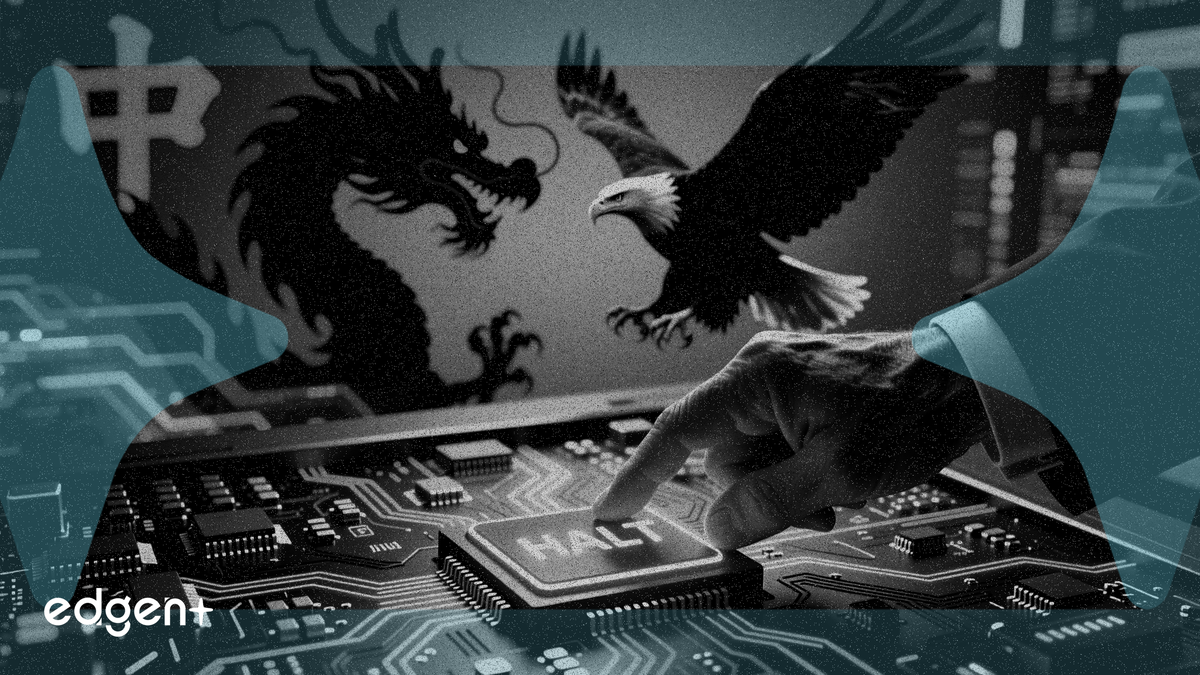
도널드 트럼프 대통령은 목요일, 새로운 AI 모델에 대한 정부의 자발적 검토 프로세스를 구축했을 대규모 행정명령 서명을 취소하며, 규제가 중국 및 기타 경쟁국들에게 경쟁 우위를 안겨줄 수 있다는 우려를 표명했습니다.
트럼프 대통령은 집무실에서 기자들에게 "우리는 중국을 앞서고 있고, 모든 나라를 앞서고 있습니다. 그 우위를 방해하는 어떤 일도 하고 싶지 않습니다"라며 "이 명령이 방해물이 될 수 있다고 생각했습니다"라고 말했습니다.
초안에 정통한 관계자들에 따르면, 현재 보류된 이 명령은 Anthropic 및 Google과 같은 주요 AI 기업들이 국립표준기술연구소(NIST)와 같은 기관을 통해 공개 출시 전 국가 안보 위험에 대해 프런티어 모델을 검증받을 수 있도록 하는 자발적 프레임워크를 공식화했을 것입니다. 이번 조치는 주요 AI 연구소가 안전 테스트 결과를 정부와 공유하도록 의무화했던 바이든 시대의 명령을 트럼프 대통령이 취임 첫날 폐지한 데 뒤이은 것입니다.
이번 지연은 거대 테크 기업들에게는 단기적인 승리이지만, 수조 달러 규모의 산업에 규제 불확실성을 연장시킵니다. 미국이 일부 미국 테크 기업들이 선호하는 '가벼운 터치' 방식의 접근법을 추구할 것인지, 아니면 수십억 달러의 투자가 걸린 상황에서 EU의 AI 법과 같은 더 엄격한 규칙을 채택할 것인지에 대한 논쟁이 더욱 치열해지고 있습니다.
정부의 AI에 대한 입장은 다른 분야의 기술 안전 장치를 완화하려는 더 광범위한 추진을 반영합니다. 의료 분야에서 보건복지부가 제안한 규칙은 전자 건강 기록에 사용되는 AI 도구의 사용자 테스트 및 투명성 요건을 제거하는 것을 목표로 하며, 지지자들은 이것이 개발자의 부담을 줄여 혁신을 촉진할 것이라고 주장합니다.
그러나 환자 안전 옹호자들과 미국병원협회(AHA) 같은 단체들은 경고를 보냈습니다. AHA는 "특정 AI 도구의 블랙박스 특성"이 커지는 과제이며, 투명성 부족이 "임상의의 신뢰를 약화"하고 환자 안전을 저해할 수 있다고 경고했습니다.
이 논쟁은 단순히 학술적인 것이 아닙니다. Kaiser Permanente에서 환자 방문 기록을 요약하기 위해 Abridge의 새로운 AI 기반 필기 소프트웨어를 사용하는 일부 심리 치료사들은 노트를 지속적으로 수정해야 한다고 말합니다. 치료사인 폴 보이어는 KFF Health News에 이 도구가 "임상적 뉘앙스를 포착하는 데 능숙하지 않다"고 말했는데, 이는 AI의 잠재력과 중요한 분야에서의 현재 신뢰성 사이의 간극을 강조하는 결함입니다.
배포 전 테스트에 대한 추진력은 AI 기업 Anthropic의 Mythos Preview 모델이 주요 운영 체제에서 수천 개의 심각한 사이버 취약점을 자율적으로 발견하는 능력을 보여준 후 긴급해졌습니다. Anthropic은 방어력을 강화하기 위해 선택된 파트너와만 공유하며 모델을 비공개로 유지해 왔지만, JD 밴스 부통령은 수요일 "악의적인 행위자가 Mythos를 사용하여 다양한 사이버 보안 취약점을 공격할 수 있다"고 말했습니다.
Microsoft, Google, Anthropic과 같은 AI 선도 기업의 투자자들에게 규제 환경은 여전히 주요 위험 요소입니다. 취소된 명령으로 즉각적인 장애물은 제거되었지만, 미국의 명확한 연방 프레임워크 부재는 EU의 포괄적인 AI 법과 대조를 이룹니다. 이러한 규제 격차는 글로벌로 운영되는 기업들에 컴플라이언스 과제를 안겨줄 수 있으며, 한 번의 대규모 훈련 비용이 수십억 달러에 달하는 섹터에서 장기적인 자본 배분에 영향을 미칠 수 있습니다.
이 기사는 정보 제공 목적으로만 작성되었으며 투자 조언을 구성하지 않습니다.
