
Israel called off a planned airstrike on hundreds of Iranian targets at the last minute after President Donald Trump intervened, underscoring Washington's push to lock in a fragile peace deal before it unravels.
Israel called off a planned airstrike on hundreds of Iranian targets at the last minute after President Donald Trump intervened, underscoring Washington's push to lock in a fragile peace deal before it unravels.
Israel called off a planned airstrike on hundreds of Iranian targets at the last minute after President Donald Trump intervened, underscoring Washington's push to lock in a fragile peace deal before it unravels.
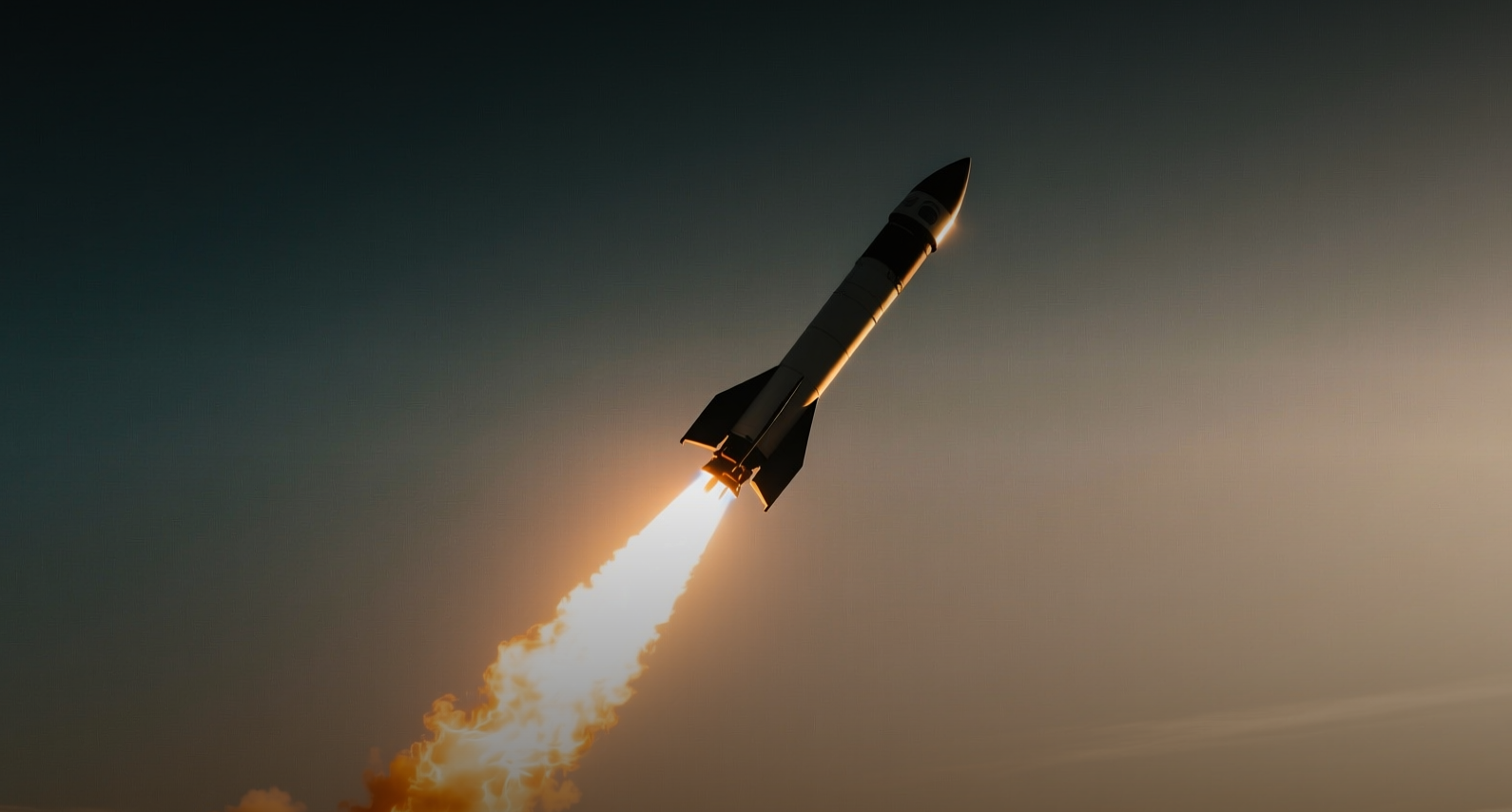
Israeli Air Force Commander Omar Tischler confirmed in an internal letter on June 16 that a massive strike on hundreds of targets inside Iran, scheduled for June 8, was called off one hour before launch after Trump requested Prime Minister Benjamin Netanyahu "not escalate the conflict with Iran," according to Israeli media reports. The Israeli Air Force had completed preparations for what Tischler described as "a large-scale strike operation" targeting sites deep inside Iranian territory.
"The deal without an Israeli withdrawal from southern Lebanon means the war has not fully come to an end," Iranian Foreign Minister Abbas Araghchi said Tuesday, according to the Associated Press.
The US-Iran framework agreement, brokered by Pakistan and expected to be signed Friday in Geneva, provides for the immediate reopening of the Strait of Hormuz — a waterway that handles roughly 21% of the world's seaborne oil and 20% of its liquefied natural gas — and the simultaneous lifting of the US naval blockade on Iranian ports. It establishes a 60-day window for negotiations on Iran's nuclear stockpile, international sanctions, and the potential release of frozen Iranian assets tied to compliance benchmarks. Senior US officials said the deal includes a possible $300 billion reconstruction fund for Iran if Tehran meets certain conditions, though Trump later said the US would not "invest" funds in Iran.
The standoff over Lebanon leaves the ceasefire in a precarious position. Araghchi said Israel's continued occupation of southern Lebanon would violate the agreement, while Netanyahu said Monday that Israel would remain in Lebanon "as long as necessary." A US official, speaking on condition of anonymity, said the deal did not call for an Israeli withdrawal. Trump told reporters Tuesday he was "not happy with the way Israel has handled themselves with Lebanon and with Hezbollah," adding that the conflict "just goes on forever" and "throws a negative light on the big deal."
The Lebanon complication
The Lebanon issue was a late addition to the negotiations. Two regional officials with direct knowledge of the closed-door talks told the AP that Iran insisted the accord include Lebanon in the final days of negotiations. The officials said the deal would require Israel to leave nearly all the territory it occupies in southern Lebanon, minus a few hilltop points along the border seized earlier. Israel invaded southern Lebanon after Hezbollah fired missiles across the border during the first week of the war, and its military footprint there has since expanded to levels unseen in decades. Israeli strikes have killed nearly 4,000 people in Lebanon, including hundreds of civilians, and displaced more than 1 million.
The last time a US-brokered ceasefire between Israel and Lebanon was announced in April, it was never fully implemented on the ground, with both sides accusing each other of violations. That pattern raises the risk that the current framework could suffer the same fate, keeping the Strait of Hormuz effectively shut and crude prices elevated.
Oil, markets and the nuclear clock
The agreement's success hinges on the 60-day nuclear negotiations. Iran has agreed to discuss ways to "dilute or remove" its stockpile of highly enriched uranium, but it remains unclear whether Tehran's hard-liners will accept giving it up, particularly after US strikes last summer badly damaged Iran's nuclear sites. The US has not yet explained who will verify compliance or handle the destruction or removal of the enriched uranium.
For markets, the stakes are clear. If the Lebanon dispute derails the deal, the Strait of Hormuz closure — which sent oil prices surging and halted flights across the Middle East after the war began Feb. 28 — would persist, keeping geopolitical risk premiums embedded in crude, gold, and defense sector equities. If the framework holds, the reopening of the strait would remove a major supply-side constraint, likely pressuring crude prices lower while boosting risk-on sentiment across global equity markets. Trump said he is open to sending the agreement to the US Congress for review, with Republicans on Capitol Hill expressing skepticism that the deal can deter Iran from pursuing a nuclear weapon.
This article is for informational purposes only and does not constitute investment advice.
