
Thunder Compute's $13 million Series A targets the roughly $200 billion in GPU capacity that sits idle because chips are reserved as bare-metal resources.
Thunder Compute's $13 million Series A targets the roughly $200 billion in GPU capacity that sits idle because chips are reserved as bare-metal resources.
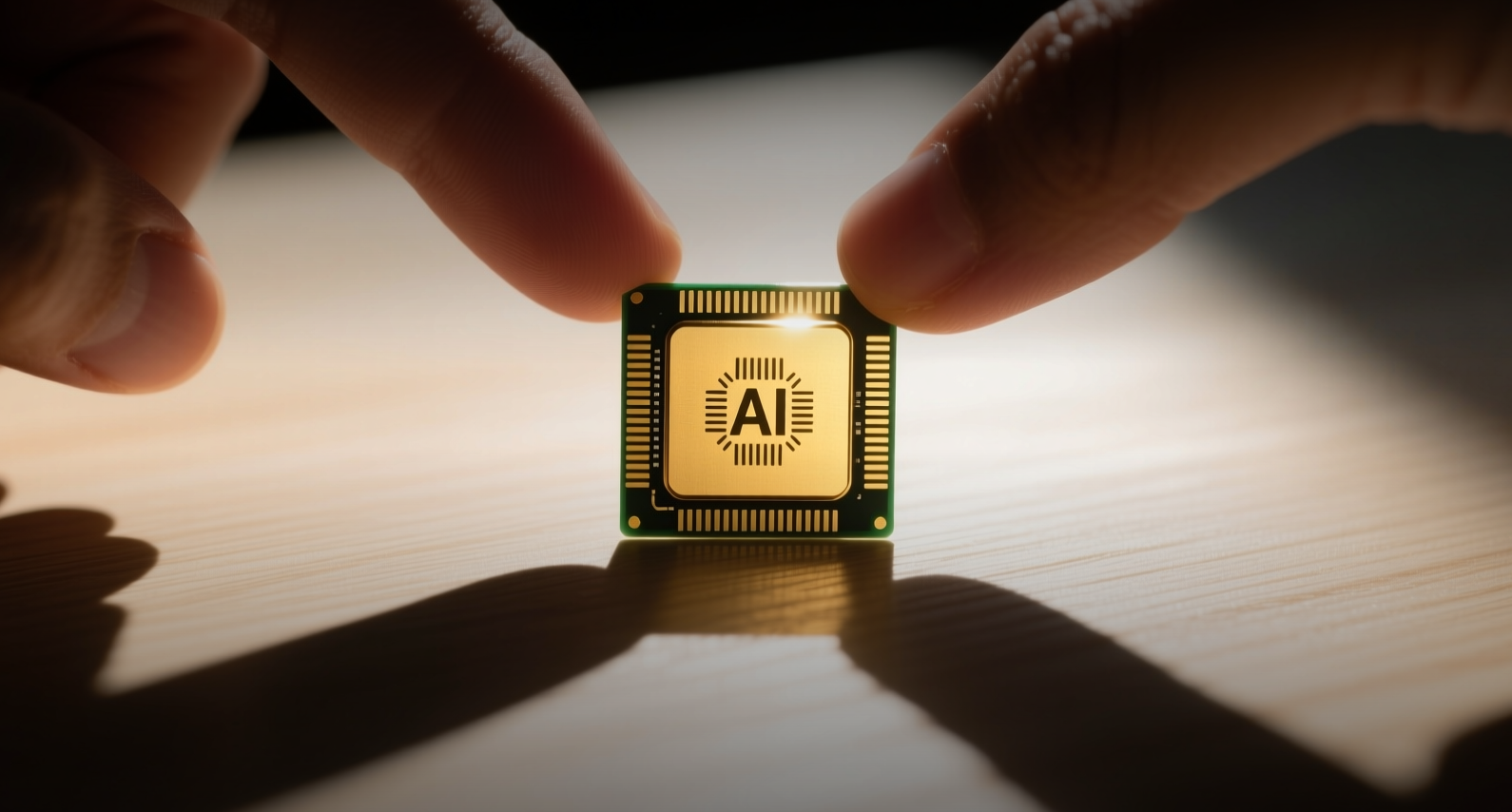
Enterprise GPUs sit idle 5 percent to 20 percent of the time, leaving roughly $200 billion in unused compute capacity that Thunder Compute's virtualization software aims to put back to work.
"Every other type of computer hardware is virtualized — for GPUs, this isn't the case," Carl Peterson, co-founder and chief executive at Thunder Compute, said.
The company, founded in 2022 by Peterson, a former Bain & Company consultant, and Brian Model, previously a quantitative developer at Citadel Securities, treats GPUs as network resources pooled across the data center rather than chips dedicated to individual workloads. Its software separates a workload's access to a GPU from the specific hardware serving it, letting operators schedule the fleet more efficiently. Thunder has supplied compute to more than 10,000 users on its own cloud and is piloting the software with two enterprises, with customers reporting utilization gains of four times or more.
The round, led by Matrix Partners with participation from Y Combinator and CEAS Investments, marks a shift from proving the technology on Thunder's own cloud toward licensing it to cloud providers and enterprises that already run large GPU fleets. The company plans to hire systems researchers, engineers and a sales team as it expands its go-to-market effort.
The waste stems from how GPUs are allocated. Unlike central processing units and storage, which are virtualized and shared across workloads, GPUs are typically reserved as bare-metal resources — dedicated to a single job even when that job is idle. According to the CastAI 2026 State of Kubernetes Optimization Report, enterprise GPUs average 5 percent to 20 percent utilization, a figure that leaves most of the hardware's capacity unused.
Thunder's software sits between the developer and the cloud provider, abstracting away the physical chip so it drops into existing workflows. The virtualization is invisible to developers, who simply request a GPU and receive one, Peterson said. The economic benefit accrues to the operator that bought the hardware: higher utilization lets providers squeeze more work out of equipment they already paid for and potentially pass savings back through lower cloud prices.
The model echoes how VMware virtualized servers two decades ago, turning dedicated physical machines into pooled resources. Thunder's founders describe the company as building the "VMware for GPUs," with the current virtualization layer intended as the foundation for a broader suite of GPU infrastructure technology.
Until now, Thunder has effectively been its own customer, running a cloud service as a testbed for GPU use cases before scaling the software outward. "The fastest way to do that was to launch our own cloud," Peterson said. The Series A, after four years of software development, shifts the focus toward putting the technology into the hands of cloud providers and enterprises that already operate GPU infrastructure at scale.
Peterson cautioned that the four-times utilization gains seen among customers depend heavily on the workload and existing utilization, and the company cannot promise that level of improvement for everyone. The funding will support hiring across systems research, enterprise engineering and sales.
The investment reflects continued appetite for AI compute infrastructure, a market dominated by Nvidia's data center GPUs and the hyperscale clouds that buy them. For cloud providers such as AWS, Microsoft Azure and Google Cloud, GPU virtualization could raise the return on the billions spent on AI hardware, while enterprises running on-premises fleets could defer new purchases by extracting more work from existing chips. Thunder did not disclose a valuation or revenue figures.
This article is for informational purposes only and does not constitute investment advice.
