The S&P 500's technology-led rally is carrying into June, but investors face three hurdles that could determine whether the advance has staying power.
The S&P 500 rose for a ninth straight week, climbing more than 10% this year, as technology stocks rebounded on AI-driven earnings optimism. The Nasdaq Composite has surged 16% year-to-date.
"The tech group had a significant correction in March, and investors went back in seeing that earnings were still growing at rapid rates," said Chuck Carlson, chief executive officer at Horizon Investment Services.
The Philadelphia SE Semiconductor Index jumped about 80% from its March 30 low, while Broadcom shares climbed more than 50% in the same period. The Nifty IT index in India rose nearly 4% on Monday after Nvidia CEO Jensen Huang at Computex 2026 said AI will create the largest opportunity ever for software companies. Samsung Electronics shares jumped 9.5% in Seoul on AI optimism.
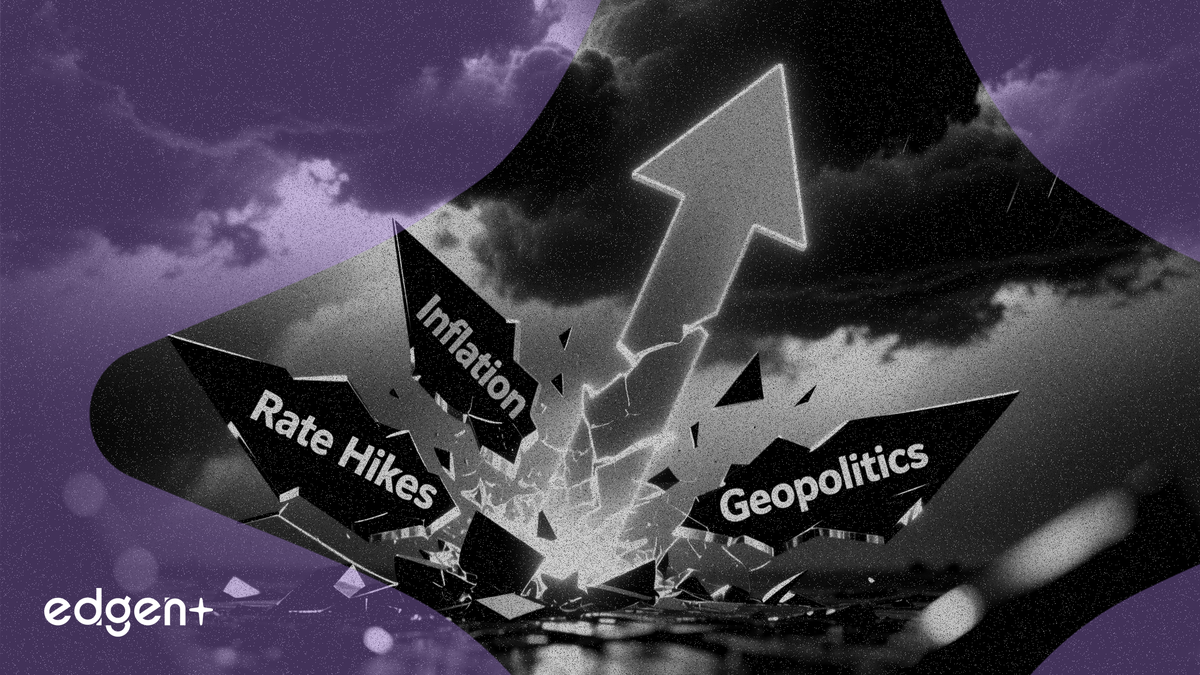
The rally faces three tests this month: the June 5 jobs report, Broadcom's quarterly results on Wednesday, and the Federal Reserve's June 16-17 meeting where futures pricing indicates a greater chance of a rate hike than a cut.
Jobs Report Looms as Inflation Persists
The monthly employment report due June 5 comes as investors grow increasingly concerned about persistent inflation. The Personal Consumption Expenditures Price Index rose 3.8% in the 12 months through April, the largest increase since May 2023, driven by higher energy prices amid the Iran war. Economists surveyed by Reuters expect May payrolls to show an increase of 96,000 jobs and an unemployment rate of 4.3%.
"If you were to get a hot employment report alongside still-rising inflation numbers, it continues to change the outlook for Fed policy," said Liz Ann Sonders, chief investment strategist at the Schwab Center for Financial Research. "If it were to be a weaker-than-expected report, then maybe it calms fears that the Fed is going to have to shift to a tightening stance."
An increase of more than 150,000 jobs could fuel fears about an overheating economy that drives Treasury yields higher, said Angelo Kourkafas, senior global investment strategist at Edward Jones. The Atlanta Fed's GDPNow model is tracking 3.8% second-quarter growth, following a blowout first quarter for corporate profits.
Broadcom Results to Test AI Trade
Broadcom, the sixth-largest U.S. company by market capitalization, reports quarterly results on Wednesday. Its shares have climbed more than 50% since the March 30 market low, tracking the broader semiconductor rally. The results will serve as a barometer for AI infrastructure spending, which has driven much of the tech sector's recovery.
The U.S. 10-year Treasury yield, currently around 4.45%, remains a risk for equities. Higher bond yields translate into higher borrowing costs for consumers and businesses while creating more investment competition for stocks. The dollar index has held firm, adding pressure on multinational tech companies with overseas revenue exposure.
In a separate development, Berkshire Hathaway completed its first acquisition under Chief Executive Officer Greg Abel, purchasing a homebuilder. The deal signals a strategic shift in the conglomerate's portfolio toward housing, a sector sensitive to interest rate movements. Memory chip inflation is also beginning to emerge, adding another cost layer for technology companies already navigating elevated input prices.
The Fed's June 16-17 meeting, the first under Chair Kevin Warsh, will be the next major catalyst. With inflation running above target and the labor market still tight, the central bank's forward guidance will shape equity positioning for the second half of the year.
This article is for informational purposes only and does not constitute investment advice.