
Key Takeaways: An oil tanker was struck in the Strait of Hormuz, where daily crossings have collapsed to five from 130 before the war.
Key Takeaways: An oil tanker was struck in the Strait of Hormuz, where daily crossings have collapsed to five from 130 before the war.
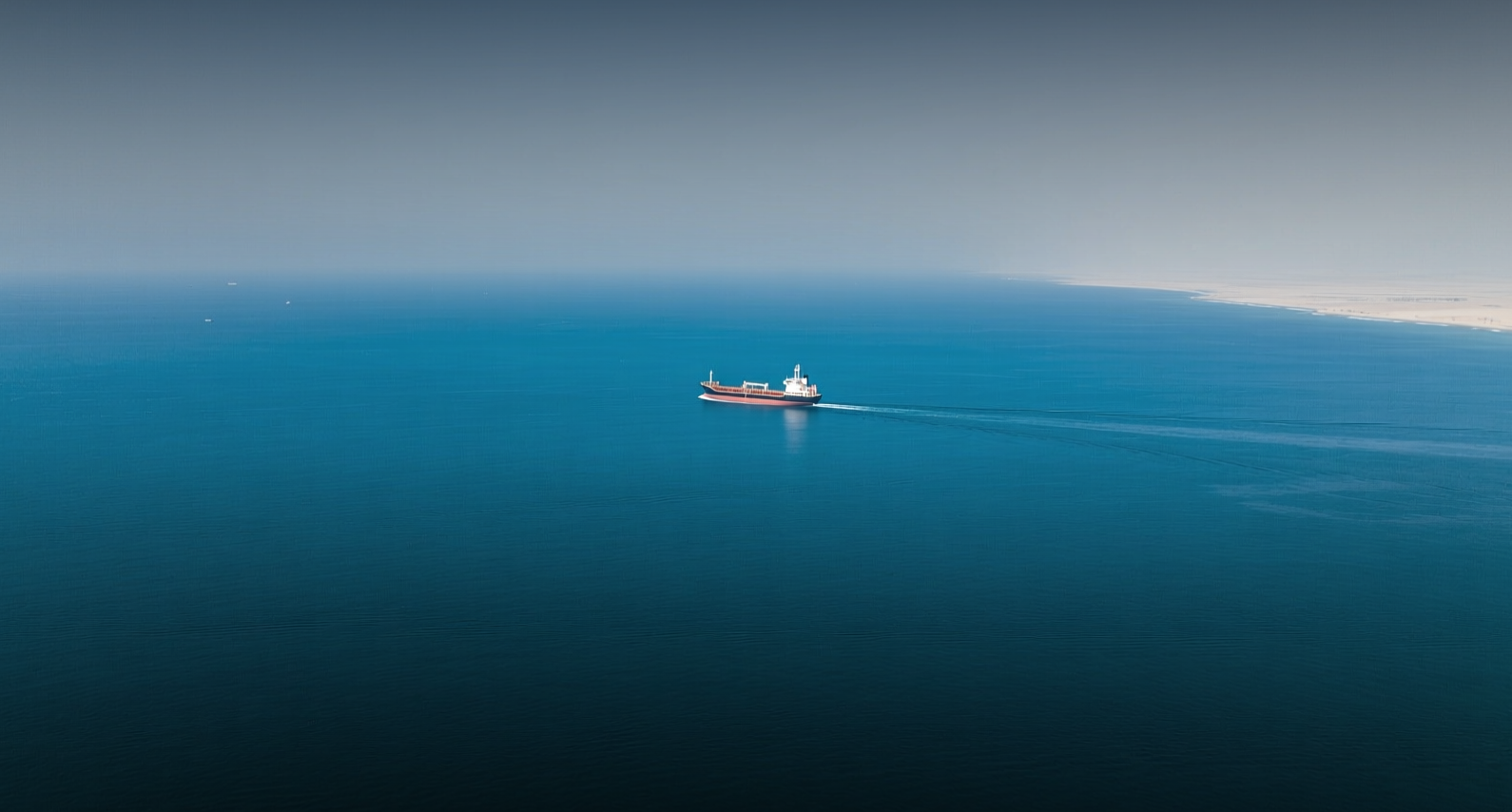
An oil tanker was struck by an unidentified projectile in the Strait of Hormuz, the latest attack on a waterway where daily crossings have collapsed to five from more than 130 before the war, according to Kpler.
"All crew members are safe and accounted for, and no environmental impact has been reported," the UKMTO said in a statement, adding that authorities were investigating the incident and the origin of the projectile.
The attack occurred about 12 nautical miles (22 kilometers) north of Khor Fakkan in the Oman Sea, the UKMTO said. Only five ships made confirmed crossings Tuesday, down from seven the day before, with all five using the unilateral route Iran has designated for shipping, the tracking firm said. The collapse in traffic has been steepest for tankers carrying crude and refined products, the main cargoes that flowed through the chokepoint before the war.
The Strait of Hormuz handles about 21 percent of global oil trade, making any disruption a direct threat to crude prices and shipping costs. War-risk insurance premiums have climbed as attacks persist, and the latest strike tests President Donald Trump's claim that the waterway has been "fully cleared of mines" and is "a functioning strait." Trump said Wednesday that "a lot of oil is pouring out" of the waterway even as sporadic attacks continue.
The incident, first reported by the UKMTO on Aug. 30, was the first since Aug. 18, when a bulk carrier was also hit by an unknown projectile while transiting Hormuz. Daily vessel traffic through the waterway has declined by as much as 95 percent compared with pre-war levels, according to shipping data. The five confirmed crossings Tuesday all used the lane Iran has designated, a sign that shippers are routing around the U.S.-escorted southern corridor.
U.S. allies are skeptical that Iran's mines in the strait have been fully cleared, Bloomberg reported, casting doubt over Trump's assurances that the waterway is safe for passage. The U.S. military has maintained a naval blockade against Iranian ships in the chokepoint and used the southern Omani lane to escort oil tankers in and out of the Gulf. Iran and Oman have agreed on a temporary maritime corridor intended to restore safer passage, though Iran's Deputy Foreign Minister Kazem Gharibabadi warned the waterway will not fully reopen until the U.S. fulfills commitments under an interim peace deal framework signed in June, which has since lapsed.
The attack comes as the Trump administration escalates an "economic onslaught" against Iran's financial connections worldwide, a campaign that has scuttled prospects for peace talks. In a diplomatic outreach, Foreign Minister Abbas Araghchi called on the UN to condemn what he described as U.S. "economic terrorism," arguing the body bears "legal and moral responsibility" to denounce the sanctions campaign as "illegal and criminal." Trump said he has "no time schedule" for resuming talks with Iran to end the six-month war, telling Al Jazeera that economic pressure and military strikes are "both effective."
The last time shipping through Hormuz fell to such levels was during the 2019 tanker attacks, when Brent crude spiked and war-risk premiums on Gulf voyages jumped. With the conflict now six months old and talks stalled, traders are pricing a sustained risk premium into crude, while gold and the dollar have drawn safe-haven flows. If the attacks continue, shipping costs and insurance rates could rise further, feeding through to energy prices for importers across Asia and Europe that depend on Gulf crude. A prolonged closure would force tankers onto longer routes around the Arabian Peninsula, adding days to voyages and tightening vessel supply in a market already short of tonnage. For now, the market's focus is on whether the temporary Iran-Oman corridor holds and whether Washington and Tehran can revive the June framework before the next attack.
This article is for informational purposes only and does not constitute investment advice.
