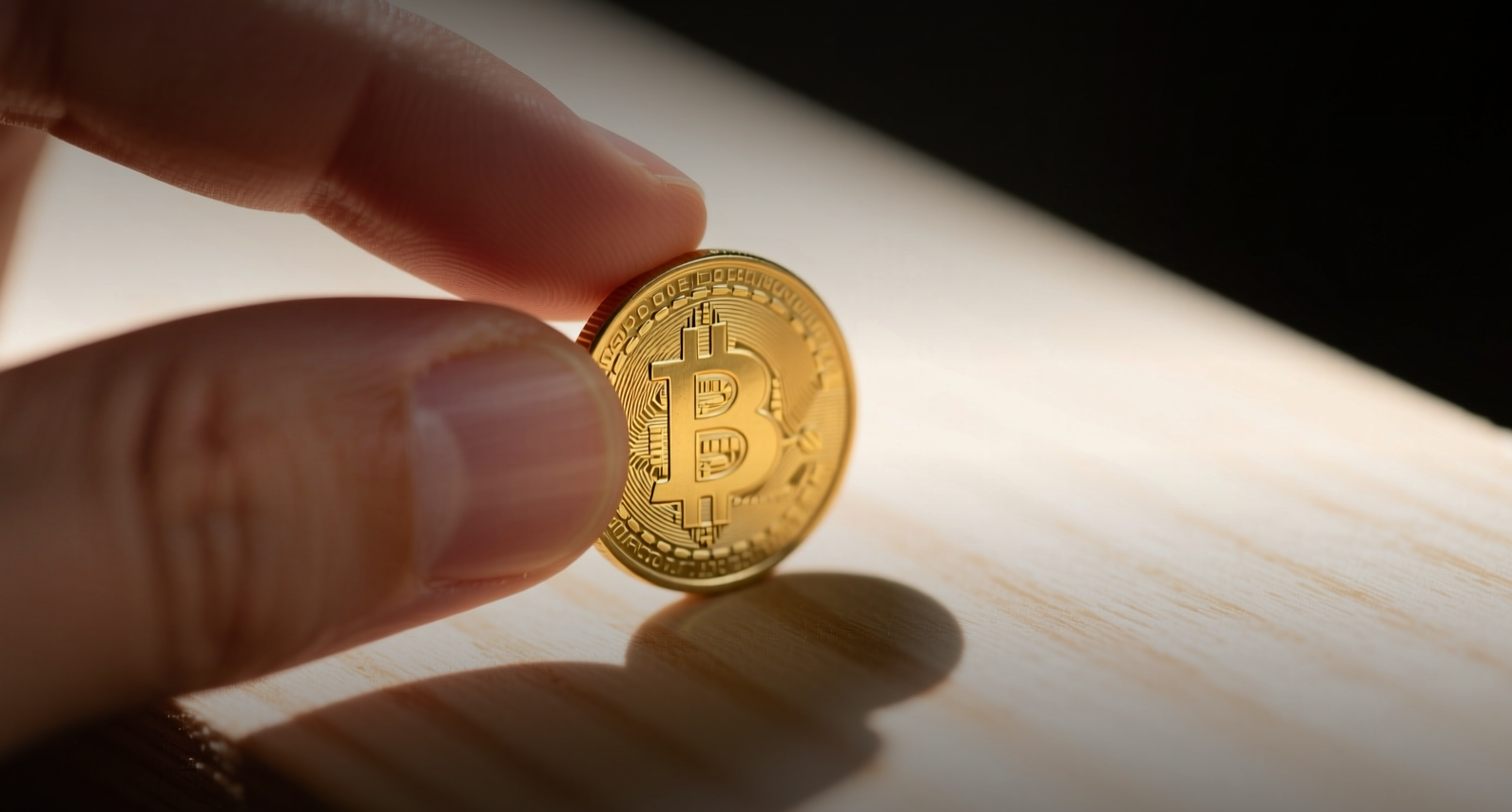
Taiwan's central bank is under pressure to reconsider Bitcoin as a reserve asset after a legislator formally presented a policy report arguing the island should shift a fraction of its $602 billion foreign exchange reserves into the cryptocurrency as a hedge against potential Chinese military action.
Legislator Dr. Ko Ju-Chun handed Premier Cho Jung-tai and Central Bank of China (CBC) Governor Yang Chin-long a Bitcoin Policy Institute report during a Legislative Yuan session on April 29, formally requesting the CBC produce a new assessment of stablecoins and digital asset reserves within one month. The central bank dismissed Bitcoin as unsuitable for reserve holdings in late 2025, citing volatility, liquidity and custody challenges, but has since committed to launching a digital asset sandbox using 210 seized Bitcoin valued at roughly $14 million.
The BPI report, authored by fellow Jacob Langenkamp, argues that Bitcoin offers structural advantages over traditional reserve assets during a crisis scenario such as a naval blockade or invasion. Taiwan holds more than 80 percent of its $602 billion reserves in US dollar-denominated assets and Treasury bonds, creating what the report describes as extreme concentration risk. Under a blockade, physical gold reserves could not be shipped and dollar balances could face clearing delays through Western banking infrastructure, while Bitcoin's decentralized ledger would remain accessible and globally liquid regardless of geographic isolation.
The geopolitical context has sharpened since the report's submission. The US Senate Armed Services Committee voted 18-9 on June 11 to approve the First Island Chain Security Cooperation Initiative, a new defense framework that bundles Taiwan and the Philippines into a single assistance pipeline authorizing up to $1 billion for fiscal year 2027. The House Appropriations Committee has proposed $2 billion for Taiwan defense, with funds available through September 2028. The initiative replaces the narrower Taiwan Security Cooperation Initiative and extends through 2032, establishing a war reserve stockpile program designed to pre-position military supplies on the island.
If Taiwan were to allocate even 1 percent of its reserves to Bitcoin, the roughly $6 billion in buying pressure would place it among the largest sovereign Bitcoin holders globally, trailing only the US Strategic Bitcoin Reserve established in 2025. The more immediate signal for investors is the CBC's digital asset sandbox using the 210 seized tokens. How the central bank structures custody solutions and liquidity routing will shape the broader reserve debate more than any single legislative presentation, with the bank's formal assessment now due.
This article is for informational purposes only and does not constitute investment advice.