

Key Takeaways: Spectral AI's FDA De Novo clearance for its DeepView burn-assessment system marks the shift from government-funded development to commercial sales.
Key Takeaways: Spectral AI's FDA De Novo clearance for its DeepView burn-assessment system marks the shift from government-funded development to commercial sales.
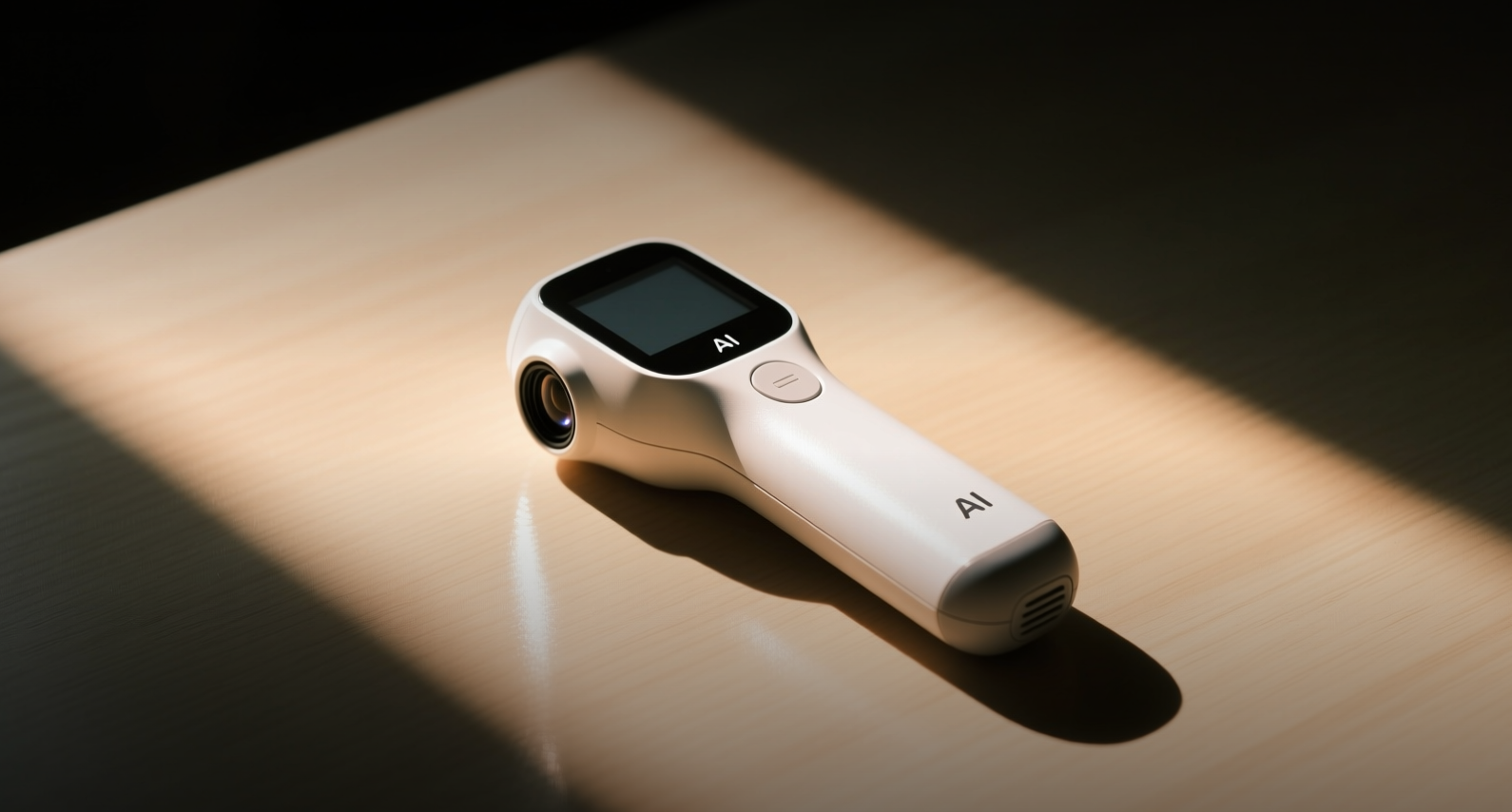
Spectral AI's net loss narrowed 48 percent to $4.2 million in the second quarter, as the FDA's De Novo clearance of its DeepView burn-assessment system positioned the Dallas company for its first commercial sales by year-end.
"The receipt of De Novo clearance from the FDA for our DeepView System for burn indication has cleared us to achieve our first commercial sales by year end 2026," Chief Executive Officer Vincent Capone said.
Research and development revenue fell to $3.5 million from $5.1 million a year earlier, missing the $4.17 million analysts expected, as reimbursed costs under the Project BioShield contract with the Biomedical Advanced Research and Development Authority narrowed after clearance. Gross margin compressed to 31.6 percent from 45.2 percent on cost-share provisions, while operating expenses rose 23.2 percent to $5.4 million ahead of the launch.
The company holds $14 million in cash after drawing $6.5 million from Avenue Capital Group, with access to more than $60 million in additional non-dilutive BARDA funding and no principal debt payments due before March 2027. Management reiterated 2026 revenue guidance of about $18.5 million, excluding material DeepView contributions.
The DeepView System uses AI to analyze multispectral images of a burn wound and predict whether it will heal without surgery, giving physicians an objective assessment before treatment. The De Novo pathway — reserved for new device types with no predicate — clears Spectral AI to begin commercial distribution in the United States, a first for a technology that competes against subjective clinical judgment, the current standard of care.
The reported improvement in net loss, however, owes more to accounting than operations. A $0.7 million benefit from changes in the fair value of warrant liabilities offset the quarter's operating loss of $4.3 million; a year earlier that same line item was a $5.4 million expense. Adjusted EBITDA widened to a $3.5 million loss from $1.7 million, showing the gap between the headline number and the underlying business.
Management plans a staged rollout of up to 30 U.S. installations through June 2027, supported by the BARDA funding. The company completed all milestones under its Department of Defense contract through the Medical Technology Enterprise Consortium, including delivery of a fully functioning handheld prototype, and has begun a UK-based study to expand the label to heads, hands and feet. A 12-center U.S. triage and treatment outcome study is set to begin in the fourth quarter.
Chief Financial Officer David McGuire framed the cost-share trigger under the BARDA contract as a sign of program maturity. "It reflects the completion of the core development work of the DeepView System and FDA clearance of the device, while maintaining alignment with BARDA on the features expected to support commercial value," he said.
The divergence between operating performance and reported net income highlights the impact of financing-related accounting items. While the core business faced headwinds — gross margin contracting on contract structure changes and operating expenses rising to support pre-commercial preparations — the reported net loss was substantially mitigated by the $0.7 million gain in warrant liability fair value. This volatility means the improvement in net loss is not yet reflective of operational profitability.
Spectral AI shares traded flat at $1.71 on Tuesday, giving the company a market capitalization of $54.4 million. The stock has ranged between $1.18 and $2.97 over the past year. BTIG Research raised its price target to $4 from $3 with a buy rating in May, while Northland Securities upgraded the stock to strong-buy in July. The consensus target of $4 implies roughly 134 percent upside from current levels, though the company's negative earnings and reliance on government contracts leave it dependent on the commercial launch executing on schedule.
Hospital procurement, cybersecurity reviews and AI-committee approvals could slow deployment, management acknowledged. The company's ability to convert its FDA clearance into recurring revenue — and to expand beyond burn care into other wound types — will determine whether the current valuation holds.
This article is for informational purposes only and does not constitute investment advice.
