

SpaceX's $1.75 trillion public listing has turned 18,712 Bitcoin into the most visible corporate treasury bet in history — and the most scrutinized.
SpaceX's $1.75 trillion public listing has turned 18,712 Bitcoin into the most visible corporate treasury bet in history — and the most scrutinized.
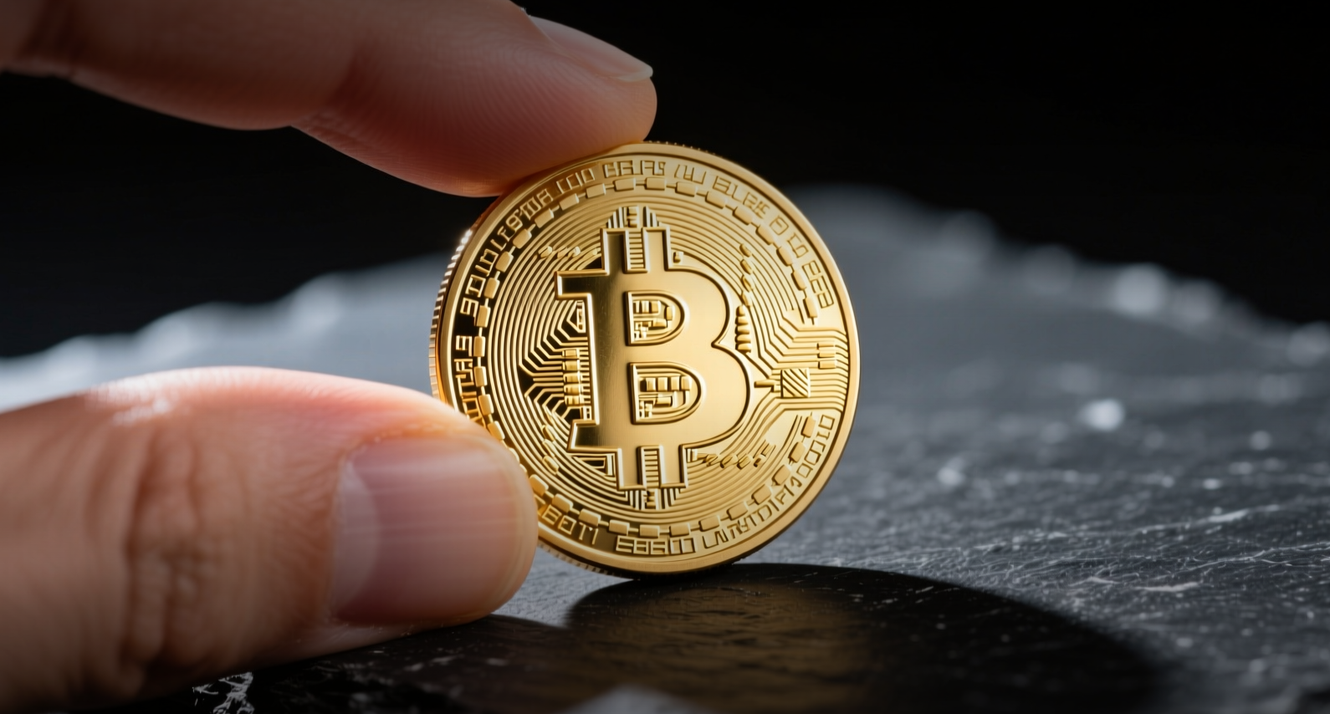
SpaceX's $1.75 trillion public listing has turned 18,712 Bitcoin into the most visible corporate treasury bet in history — and the most scrutinized.
SpaceX listed 18,712 Bitcoin on its balance sheet when it debuted on the Nasdaq on June 12, making the $1.29 billion position the largest crypto treasury ever embedded inside a top-10 public company by market value.
"SpaceX has effectively forced every Fortune 500 CFO to evaluate Bitcoin as a reserve asset," said James Butterfill, head of research at CoinShares, in a note. "The question is whether they'll follow Musk's lead or wait to see how this experiment ages."
The company raised $75 billion to $86 billion in its IPO at $135 a share, then upsized a bond offering to $25 billion after demand hit $90 billion. Its 18,712 BTC — worth roughly $1.29 billion at current prices — makes SpaceX the eighth-largest public holder of Bitcoin, behind MicroStrategy and Tesla, according to Bitcoin Treasuries data.
The real test comes in the next two quarters, when SpaceX must mark its Bitcoin holdings to market in quarterly earnings reports. A $1 billion swing in BTC's price would move SpaceX's reported net income by roughly 3% to 5%, giving traders a new catalyst to trade around every 90 days.
The $111 billion capital event and what it means for BTC
SpaceX's IPO was the largest in history by any measure. The company sold 555.6 million shares at $135 apiece, giving it a valuation between $1.75 trillion and $1.8 trillion on day one. Shares surged as high as $226 before settling in a range of $153 to $165 by late June, according to exchange data.
The bond offering that followed two weeks later drew $90 billion in orders for a $25 billion deal — a 3.6-times oversubscription rate that bond market participants described as extraordinary for a debut issuer. The longest tranches mature in 2056 and carry a 6.65% coupon, meaning SpaceX locked in 30-year financing at rates that reflect both its credit quality and the market's appetite for duration risk.
For Bitcoin, the implications extend beyond SpaceX's own holdings. Every institutional investor that bought the IPO or the bonds now has a direct economic interest in a company with a $1.29 billion Bitcoin position. If BTC rallies, those investors benefit through SpaceX's earnings. If it drops, they take the hit.
The tokenization frenzy that preceded the listing
Before the IPO, demand for SpaceX exposure through crypto channels reached levels that the market could not satisfy. xStocks, a tokenization platform, drew more than $1 billion in subscriptions for tokenized SpaceX shares through partners including Binance Wallet, Bybit and Bitget Wallet. The offering collapsed when xStocks could not obtain enough underlying shares to back the tokens, forcing widespread refunds.
On Hyperliquid, pre-IPO perpetual contracts for SpaceX suffered a 45% flash crash that liquidated $1.5 million in leveraged long positions in under 30 minutes, according to Coinglass data. The crash exposed the thin liquidity of synthetic SpaceX products trading outside regulated markets.
Coinbase later launched SpaceX pre-IPO perpetual futures for non-US traders, settling in USDC, while Dinari deployed tokenized SpaceX shares directly on Hyperliquid's order book through its SEC-registered infrastructure — a regulated alternative to the synthetic products that had failed.
The corporate Bitcoin playbook gets its biggest test
SpaceX now sits alongside MicroStrategy and Tesla as the three most visible corporate holders of Bitcoin, but the scale is different. MicroStrategy's entire business model is Bitcoin acquisition. Tesla's $1.5 billion purchase in 2021 was a one-time event that it has not repeated. SpaceX's 18,712 BTC is a strategic reserve held inside a company with real revenue from Starlink, launch services and government contracts.
The mark-to-market requirement creates a recurring event that did not exist when SpaceX was private. Every quarterly filing will disclose the value of its Bitcoin holdings, giving analysts a data point to debate and traders a catalyst to trade. If BTC is up, the earnings beat narrative gets a tailwind. If BTC is down, management will face questions about whether the reserve strategy still makes sense.
For the broader market, SpaceX's IPO has already demonstrated something more structural: the demand for tokenized access to high-quality equities is real, but the supply constraints of traditional markets do not disappear just because the distribution channel is a blockchain. The $1 billion in unfilled orders for tokenized SpaceX shares is a signal that the infrastructure for on-chain equities is still catching up to investor demand.
This article is for informational purposes only and does not constitute investment advice.
