

Key Takeaways:
- SPCX closed at $136.08 on Tuesday, just 0.8% above its $135 IPO price
- The average analyst target of $240 implies about 76% upside from current levels
- Starship Flight 13 on Thursday is the next major catalyst for the stock
Key Takeaways:
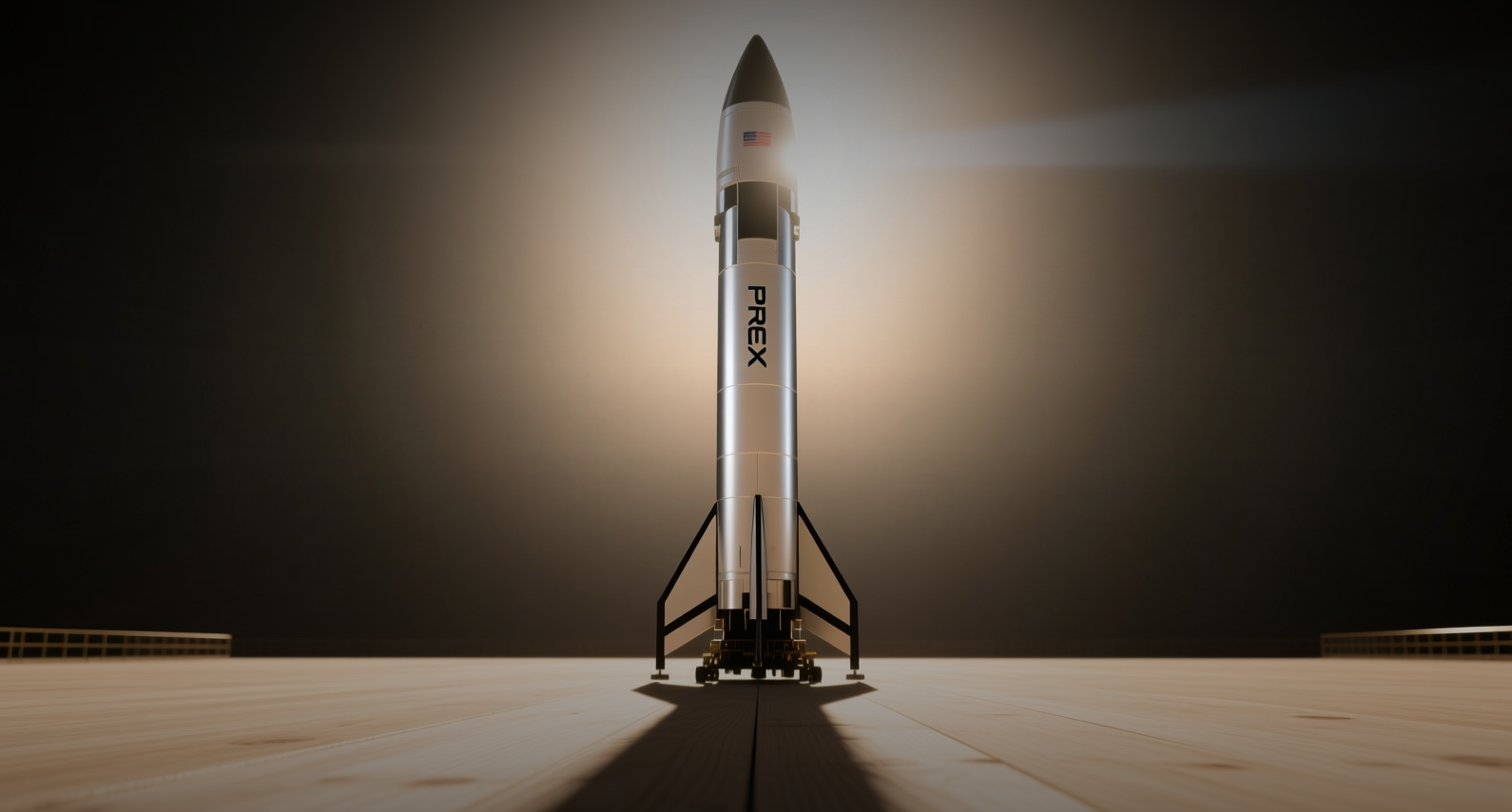
SpaceX (NASDAQ: SPCX) closed at $136.08 on Tuesday, erasing nearly all gains from the world's largest initial public offering as the stock traded just 0.8% above its $135 offer price.
The selloff has wiped about $1.2 trillion from the company's implied market value since the stock hit an intraday record of $225.64 on June 16, its third trading session. The decline represents a 40% drop from that peak, reducing SpaceX's market capitalization to roughly $1.8 trillion.
"We don't think there's a debate that this is an extraordinary company on a real path to reshaping the future of humanity," Evercore ISI analyst Kutgun Maral wrote in an initiation note Tuesday, rating the stock Outperform with a $230 price target. The firm's model projects revenue compounding at 106% annually through 2028, with margins widening from 35% to 69%.
Wall Street remains broadly bullish despite the rout. Roughly 80% of analysts covering SpaceX recommend buying the stock, and the average price target near $240 implies about 76% upside from Tuesday's close. Morgan Stanley's Adam Jonas has one of the highest targets at $300, basing his thesis on SpaceX combining near-monopoly launch economics, the world's largest low-Earth-orbit satellite network and a rapidly expanding AI-infrastructure operation. Goldman Sachs' Eric Sheridan rates it a Buy with a $205 target, while Cantor Fitzgerald's Colin Canfield set a $246 target, describing SpaceX as a "planetary infrastructure company."
The bear case centers on valuation and execution risk. SpaceX generated $18.7 billion in revenue in 2025 but reported a net loss of $4.9 billion as heavy spending on Starship development and AI infrastructure weighed on profitability. The company is not expected to report a profit in 2026 and trades near 50 times estimated sales. MoffettNathanson's Julie Zhu initiated coverage with a Neutral rating and a $131 target, warning that the range of potential financial outcomes remains unusually wide. She cited regulatory scrutiny as the largest long-term risk as SpaceX expands across connected industries.
Share supply could add further pressure. The IPO prospectus allows eligible pre-IPO holders to sell as much as 20% of their holdings shortly after SpaceX publishes its first quarterly results, expected in August. That could substantially increase the public float and test demand at current levels.
The decline puts the stock at a critical technical level, testing the $135 IPO price that carries psychological significance. A sustained break below that level would put institutional IPO buyers underwater and could further weaken confidence. The next catalyst is Starship Flight 13 on Thursday, which will carry 20 functional Starlink V3 satellites for the first time, adding 60 terabits per second of capacity. A clean mission would support the bull case that SpaceX is delivering on its technology roadmap, while a setback could extend the four-week correction.
This article is for informational purposes only and does not constitute investment advice.
