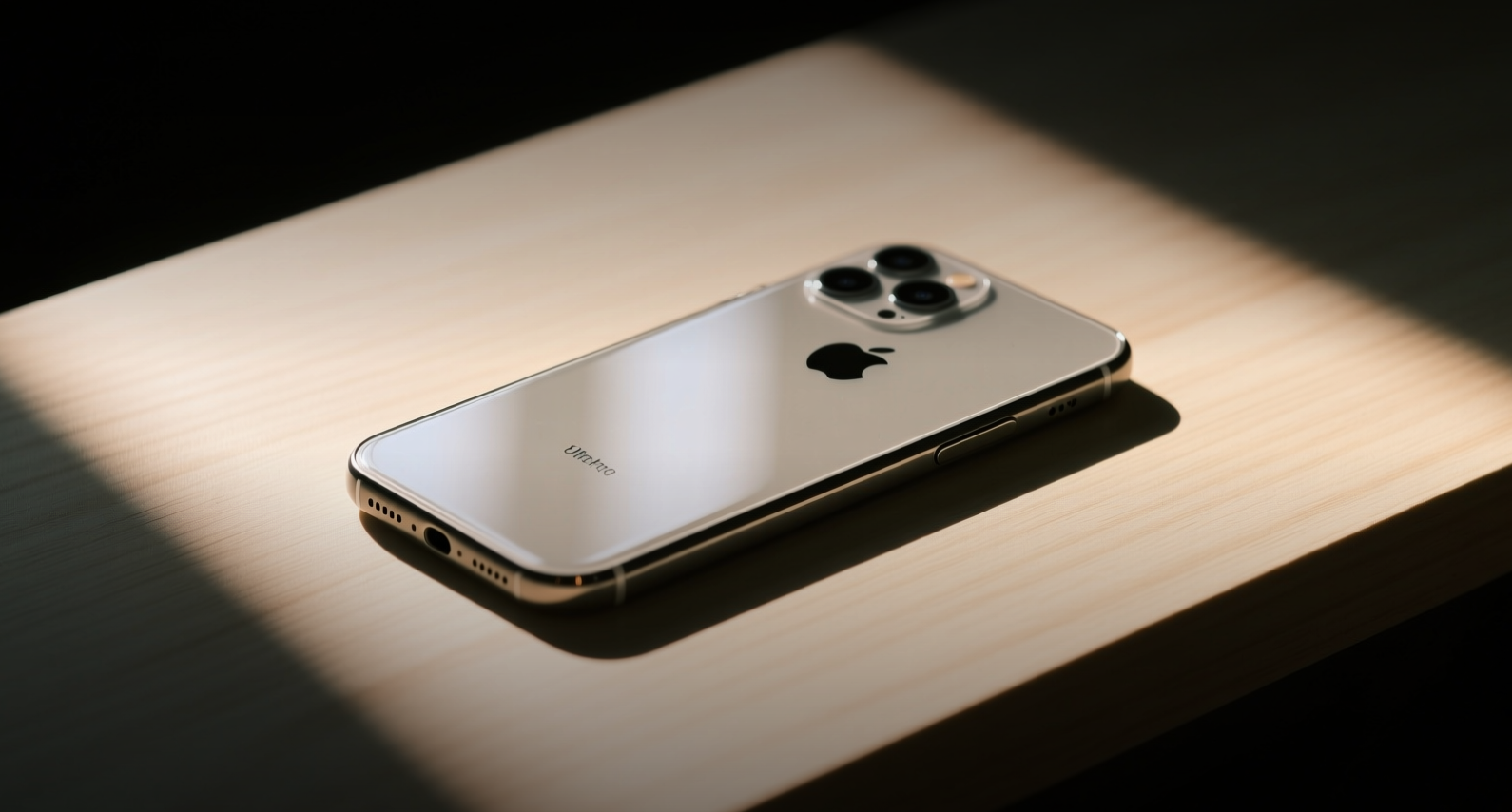
SpaceX has shown investors a prototype handheld device that is slimmer than an iPhone and runs xAI's proprietary operating system, according to people briefed on the meetings.
SpaceX has shown investors a prototype handheld device running xAI's proprietary operating system, a move that would give Elon Musk direct control over the hardware layer of his AI ambitions and bypass the Apple and Google mobile duopoly that currently controls access to his chatbot services. The device, powered by a Qualcomm Snapdragon chip, sits at an early stage of development and may never reach consumers, the people said.
"Building out a ground network to provide mobile service is something we are actively evaluating," Gwynne Shotwell, SpaceX's president, said in discussions ahead of the company's June initial public offering, according to people familiar with the matter. The company has also considered partnering with a cellular provider to complement its Starlink satellite network.
The prototype is described as thinner than current iPhone models and runs custom software tied to xAI, Musk's artificial intelligence company. Reports shared with investors describe a handset-like device that looks broadly like a modern smartphone but with a proprietary operating system, according to people briefed on the meetings. Those briefed have been told the design may change significantly.
The device represents Musk's long-held ambition to create a vertically integrated ecosystem spanning satellites in orbit to devices in consumers' pockets. SpaceX's Starlink network already beams internet connectivity to homes and businesses and offers limited cellular-style service in partnership with T-Mobile. A SpaceX-branded handset tightly integrated with Starlink could talk more directly to the company's satellite infrastructure than an off-the-shelf smartphone, edging toward a stack that spans orbit to pocket.
Musk's Mixed Signals on a Phone
Musk has given conflicting public statements about the project. In February, he posted on X: "We are not developing a phone." The previous October, he said "the idea of making a phone makes me want to die," while adding, "but if we have to make a phone, we will." After the Wall Street Journal reported the prototype's existence this week, Musk called the story "utterly false" in a post on X.
The tension between public denial and private experimentation reflects the high stakes of the AI hardware race. Cracking the smartphone market in 2026 means taking on Apple and Samsung, which dominate globally, while persuading developers to build apps for yet another ecosystem. New entrants face steep costs in manufacturing scale and supply chains.
SpaceX is not alone in pursuing AI-centric hardware. OpenAI is developing its own AI-centered devices with former Apple design chief Jony Ive, exploring screenless form factors worn on the ear. ByteDance, parent company of TikTok, has already released a smartphone built around its Doubao AI model. The direction is clear: as AI becomes the primary interface for tasks, search and services, tech companies want control over the devices users hold when they ask for help.
What a SpaceX Device Means for Telecom and AI
A SpaceX-branded handset would extend the company's reach beyond satellite internet into direct consumer hardware, competing with established carriers such as T-Mobile, AT&T and Verizon. The Financial Times reported last week that SpaceX is actively weighing a Starlink-branded retail mobile plan, suggesting the company sees consumer mobile service as a natural extension of its satellite business.
For xAI, a dedicated device would provide a direct distribution channel for its chatbot services without relying on Apple's App Store or Google's Play Store. Currently, most users access xAI through iOS or Android, meaning Musk's AI ambitions depend on the platforms of rivals. A proprietary device would give him a direct line to customers.
SpaceX completed its public offering in June 2026, becoming a publicly traded company. The company did not respond to a request for comment on the prototype.
This article is for informational purposes only and does not constitute investment advice.