
SpaceX's plan to launch 1 million satellites for AI processing could push its valuation past $5 trillion, analysts project.
SpaceX's plan to launch 1 million satellites for AI processing could push its valuation past $5 trillion, analysts project.
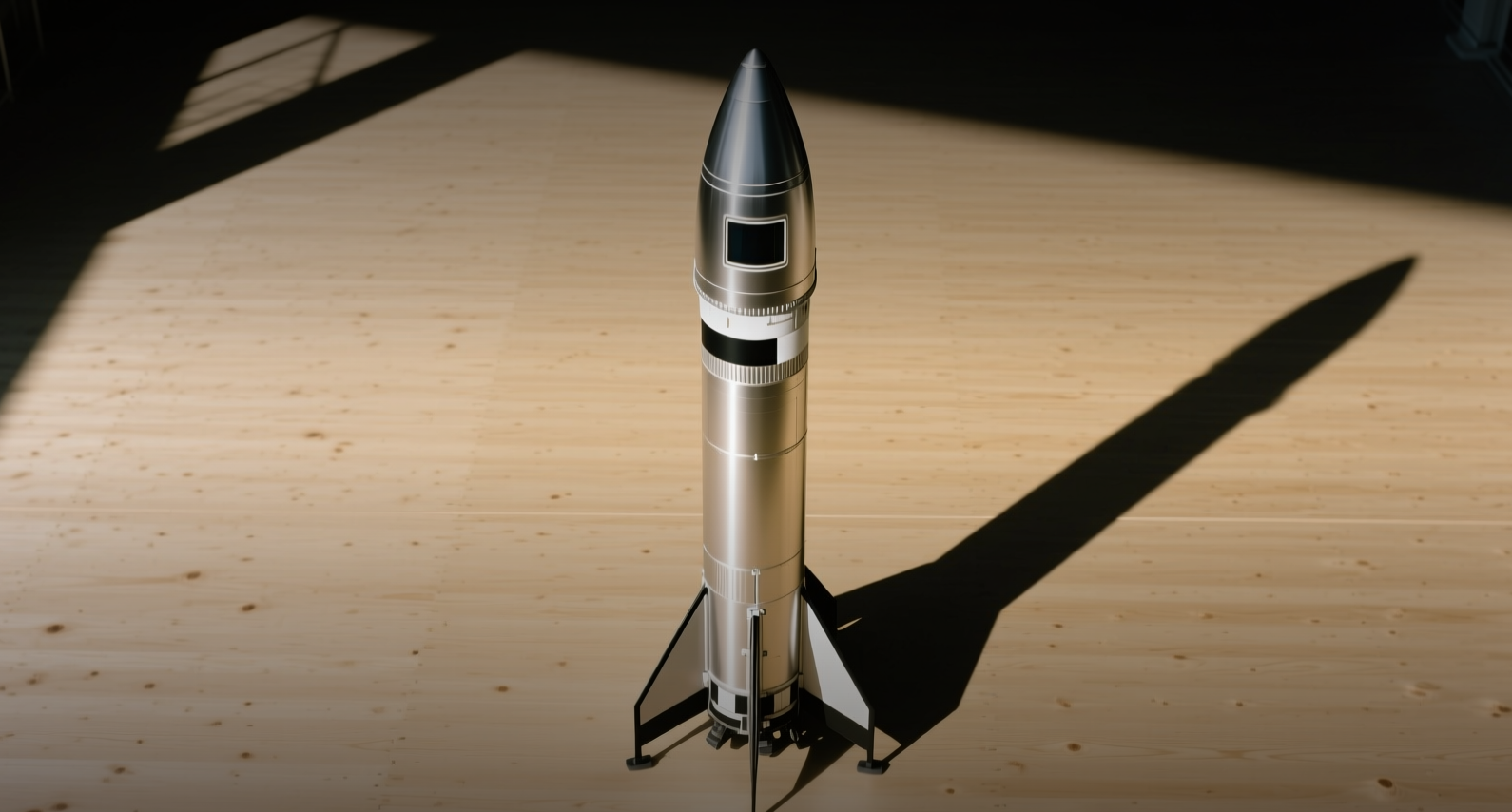
SpaceX's plan to launch 1 million satellites for AI processing could push its valuation past $5 trillion, analysts project.
SpaceX's Starmind initiative to process artificial intelligence workloads in orbit opens a $26.5 trillion addressable market, potentially lifting the company's valuation to $5 trillion or more from $1.7 trillion.
"SpaceX's greatest growth opportunity is in processing AI workloads in space," the company said in its Starmind project outline, citing free solar power and lower cooling requirements as key advantages over terrestrial data centers. Heat radiates into space naturally, and sunlight is always available in orbit, eliminating two of the largest cost drivers for AI computing.
SpaceXAI, the company's computing arm, already generates significant revenue from earthbound operations. Anthropic pays $1.25 billion per month for data center capacity near Memphis, Tennessee, while Alphabet's Google Cloud pays $920 million per month for compute capacity. The Starmind constellation would scale this to orbit with up to 1 million satellites running AI applications and beaming results back to Earth.
If successful, space-based AI processing could challenge the $150 billion annualized revenue run rate of Amazon Web Services, the largest cloud provider, by offering power and cooling economics impossible on the ground. SpaceX shares, which have fallen more than 30% from their post-IPO peak, would need to nearly triple to reach the $5 trillion target.
Starlink vs. Starmind: Two Markets, One Company
Starlink, SpaceX's satellite internet unit, accounts for roughly $1.6 trillion of the company's estimated $28.5 trillion total addressable market. The remaining $26.5 trillion is tied to AI — a market SpaceX is pursuing through both terrestrial data centers and orbital infrastructure. While Starlink faces entrenched competition from AT&T and Verizon on the ground, Starmind targets a market with fewer terrestrial alternatives for space-native computing.
The contrast between the two businesses is stark. Starlink must compete on price and coverage with established telecom carriers that have spent decades building fiber and cellular networks. Starmind, by contrast, offers a capability no terrestrial provider can match: computing infrastructure that operates in orbit, where power is free and cooling is passive.
The Economics of Orbital AI
Space-based data centers eliminate two of the largest cost drivers for AI computing: electricity and cooling. Terrestrial data centers consume massive amounts of power for both computation and heat management, often drawing opposition from residential communities. In orbit, solar panels provide continuous power, and the vacuum of space acts as a natural heat sink.
SpaceX has not disclosed the per-satellite computing capacity or the total investment required for Starmind, but the company's existing SpaceXAI revenue — $2.17 billion per month from just two customers — demonstrates demand for its computing infrastructure. For context, AWS, the largest cloud provider, generated roughly $150 billion in annualized revenue as of its most recent quarter, a figure SpaceX would need to surpass meaningfully to justify a $5 trillion valuation.
Investor Implications
SpaceX trades at a market cap of roughly $1.7 trillion, implying investors already price in significant growth from Starlink and launch services. A successful Starmind deployment would add an entirely new revenue stream with potentially higher margins than satellite internet. AWS supports Amazon's roughly $2 trillion market cap on about $150 billion in annualized revenue, implying a revenue multiple of roughly 13 times. If SpaceX were to achieve a similar multiple, it would need approximately $385 billion in annual revenue to support a $5 trillion valuation — more than double AWS's current scale.
The path to that revenue is uncertain. Launching and maintaining 1 million satellites represents an engineering and capital challenge with no precedent. SpaceX has not disclosed the timeline for Starmind deployment or the per-unit cost of the AI satellites. Still, the company's track record with Starlink — which now has thousands of satellites in orbit — gives it credibility that no other aerospace firm can match.
This article is for informational purposes only and does not constitute investment advice.
