
South Korea is betting 2,000 trillion won that semiconductors and AI can reshape its regional economy.
South Korea is betting 2,000 trillion won that semiconductors and AI can reshape its regional economy.
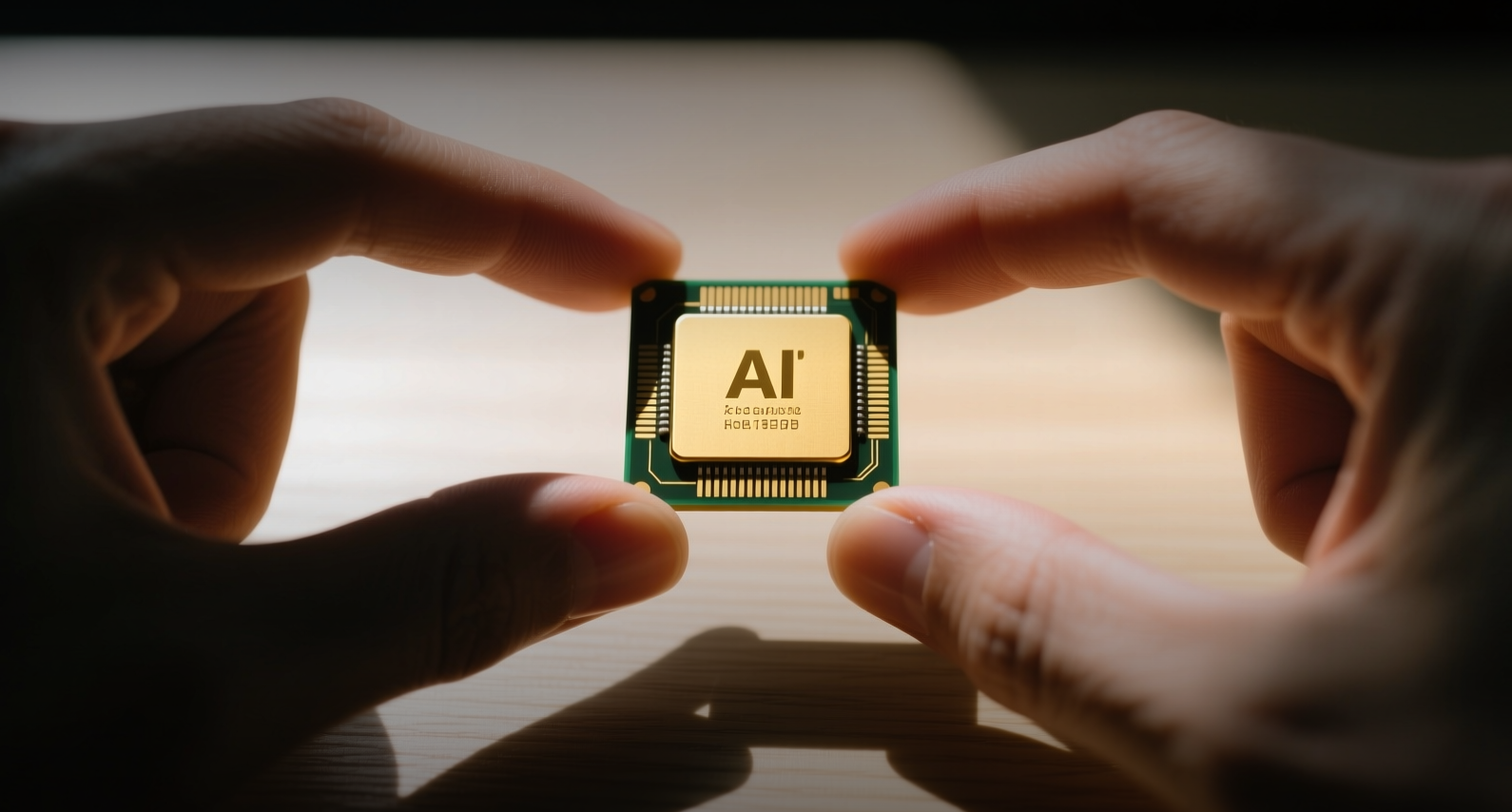
South Korea plans to invest 2,000 trillion won ($1.3 trillion) in semiconductors and AI infrastructure, a national initiative that positions Samsung Electronics and SK Hynix to dominate the next generation of chip production.
"These investments will secure South Korea's leadership in the AI era," President Lee Jae Myung said at a briefing in Seoul, adding that corporate executives chose to participate because they concluded the investments would benefit their companies.
The plan includes 800 trillion won for four new fabrication sites — two each from Samsung and SK Group — in the southwestern Honam region, plus more than 1,000 trillion won for AI data centers by 2035. Samsung is expected to invest roughly 1,000 trillion won over the next decade, with SK Hynix committing a similar amount, according to the Korea Economic Daily. AI data center projects will be concentrated in the Chungcheong region, with physical AI initiatives centered in the Yeongnam region.
SK Hynix, which recently surpassed Samsung as South Korea's most valuable publicly traded company on the strength of its high-bandwidth memory chips, reversed an intraday loss of nearly 6% to close higher. The Kospi index swung from a 3% decline to positive territory on the announcement, though its implied volatility index hit a record high — a sign that investors question whether the rally can sustain.
The opposition People Power Party criticized the plan before its formal announcement, arguing that semiconductor investment should be based on access to electricity, water, skilled workers and supplier networks rather than regional development goals. "Semiconductors are an ecosystem, not an electoral district," the party said, calling for an assessment of the Honam region's economic feasibility. Lee rejected claims that the government had pressured companies to invest, noting that Gwangju and South Jeolla Province received the highest rating in the semiconductor category during a government competition under the previous administration.
The investment comes as global semiconductor manufacturers race to expand capacity for AI chips, high-performance computing and data center infrastructure. SK Hynix has emerged as the leader in high-bandwidth memory, a critical component for AI servers, while Samsung continues to invest heavily in advanced manufacturing and AI technologies. The combined commitment ranks among the largest technology spending initiatives ever announced in South Korea. The Bank for International Settlements, in its annual report released Sunday, warned that AI-driven market rallies, persistent inflation and fiscal pressures pose the most significant risks to global prosperity — a caution that tempers the optimism around the chip sector's expansion.
For investors, the plan creates a clear winner in South Korea's semiconductor supply chain. SK Hynix, trading at a premium to Samsung on its HBM leadership, stands to benefit most directly from the AI data center buildout. Samsung's foundry business, which has lagged behind TSMC in advanced node adoption, gains a long-term capacity commitment that could narrow the gap. The 800 trillion won fab investment alone represents roughly 40% of South Korea's annual GDP, a scale that makes execution risk as important to watch as the technology itself.
This article is for informational purposes only and does not constitute investment advice.
