


Sony Group and TSMC will invest roughly ¥1 trillion ($6.3 billion) in a Kumamoto joint venture to mass-produce advanced image sensors by 2029, cementing Japan's semiconductor manufacturing revival.
Sony Group and TSMC will invest roughly ¥1 trillion ($6.3 billion) in a Kumamoto joint venture to mass-produce advanced image sensors by 2029, cementing Japan's semiconductor manufacturing revival.
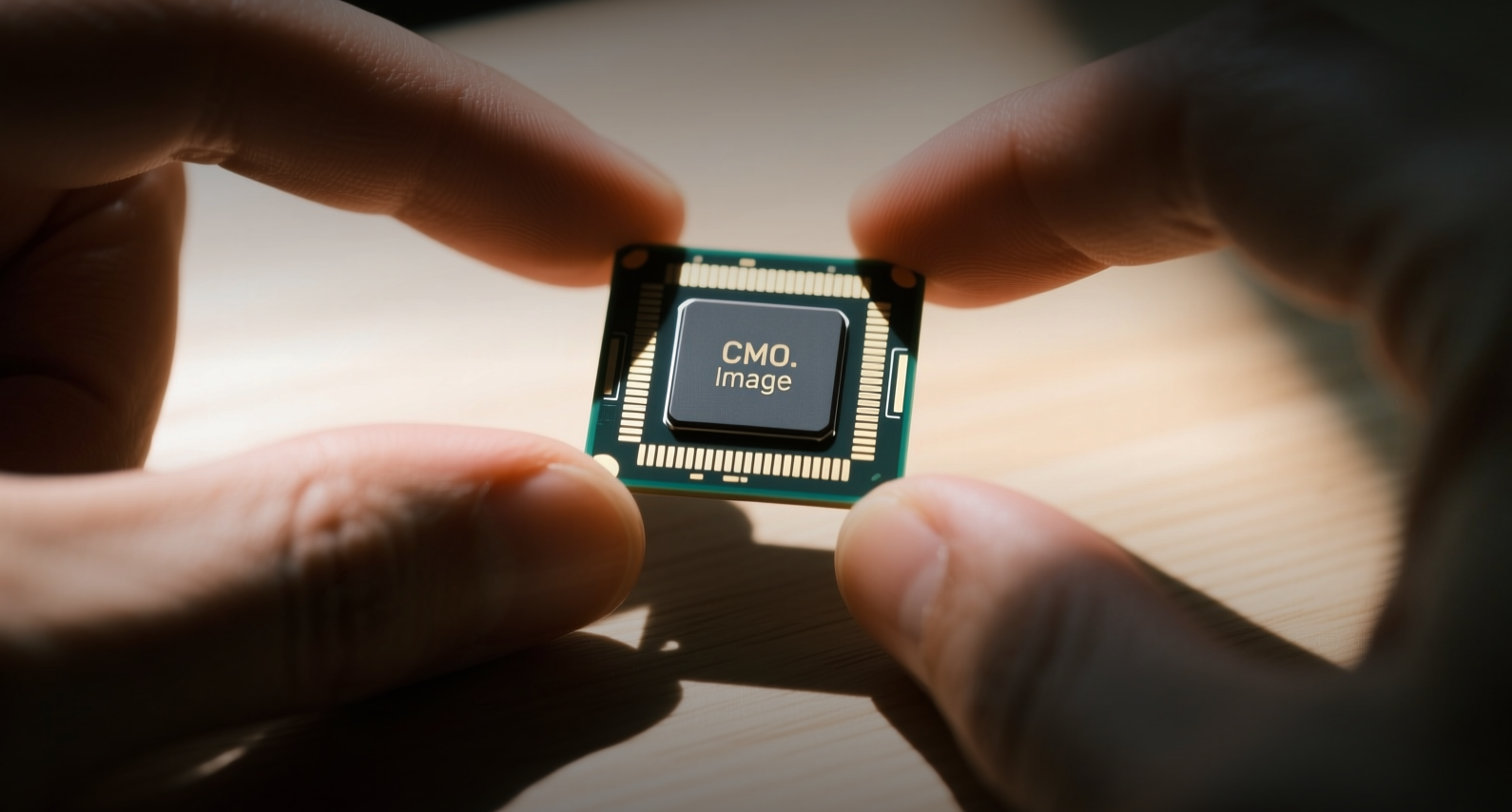
Sony Group and TSMC plan to invest about ¥1 trillion ($6.3 billion) in a Kumamoto joint venture to mass-produce advanced image sensors by 2029, defending Sony's roughly 50 percent global market share.
The two companies reached a basic agreement in May to develop and manufacture new-generation sensors, combining Sony's sensor design expertise with TSMC's manufacturing and process technology strengths, the Nikkei business daily reported. Sony will hold about 60 percent of the venture and TSMC approximately 40 percent.
The joint venture will be established within fiscal 2026, which runs through March 2027, with production lines and research facilities installed at Sony Semiconductor Solutions' plant in Koshi, Kumamoto. The ¥1 trillion investment is equivalent to roughly four years of capital expenditure by Sony's semiconductor business and approaches the $8.6 billion TSMC committed to its first Kumamoto fab, which began operations in 2024.
Sony holds more than half of the global CMOS image sensor market, but Samsung Electronics and China's OmniVision are investing aggressively to close the gap. The partnership gives Sony access to TSMC's advanced process nodes and 3D stacking technology, while TSMC deepens its expertise in the sensor segment and the emerging physical AI field. Sony shares rose 1.18 percent on the Tokyo exchange following the report, while InterAction, which makes light source equipment for sensor inspection, gained 6.85 percent.
Kumamoto's Strategic Pull
Kumamoto has become the centerpiece of Japan's semiconductor strategy since TSMC opened its first fab there in 2024. The prefecture offers abundant water resources essential for chip manufacturing and relatively easy access to low-cost electricity from renewable sources such as geothermal and solar. The Koshi plant sits about 30 kilometers from the epicenter of the earthquake that struck Kumamoto in July but suffered no major damage, a factor that has not deterred the companies from committing further investment to the region.
Demand for image sensors is expanding across smartphones, autonomous vehicles, and industrial robots. The joint venture is expected to supply high-performance camera sensors for Apple's iPhone, and the companies aim to improve sensor performance so AI systems can recognize objects with greater precision. Their longer-term target includes physical AI, in which AI systems control robots and vehicles. This diversification beyond smartphone cameras is critical for Sony, as the global smartphone market has matured and growth has slowed to single digits in recent years.
Competitive Stakes and Government Support
Sony's dominance in image sensors faces pressure from Samsung Electronics, which has been investing in its own sensor technology, and OmniVision, which has gained share in the Chinese smartphone market. By integrating TSMC's advanced manufacturing technology, Sony aims to widen its technological lead. The partnership preserves important technological boundaries: Sony is not expected to disclose to TSMC certain proprietary manufacturing technologies that underpin its strength in image sensors, while TSMC aims to deepen its expertise in the segment through closer cooperation with the market leader.
Sony and TSMC are in talks with Japan's Ministry of Economy, Trade and Industry about potential government subsidies. The Japanese government has already provided substantial subsidies for TSMC's first Kumamoto fab, and additional policy support is likely for this investment as the country prioritizes semiconductor self-sufficiency from an economic security perspective. Countries worldwide are rushing to strengthen domestic production frameworks, and Japan's aggressive subsidy program reflects this broader trend.
Sony's image sensor business is one of the pillars supporting the company's earnings. The ¥1 trillion investment represents a significant bet on the segment's growth, particularly as smartphone camera upgrades and autonomous driving create new demand. For TSMC, the venture strengthens its position in the sensor market and physical AI applications, diversifying beyond its core logic chip business. The question for investors is whether the 2029 mass-production timeline justifies the capital commitment, given the competitive pressure from Samsung and OmniVision.
This article is for informational purposes only and does not constitute investment advice.
