

Key Takeaways:
- Solana implemented its first testnet rent reduction, cutting costs by 90%
- The change lowers developer entry barriers on the Layer-1 network
- SOL trades near $101 after gaining close to 20% over the past week
Key Takeaways:
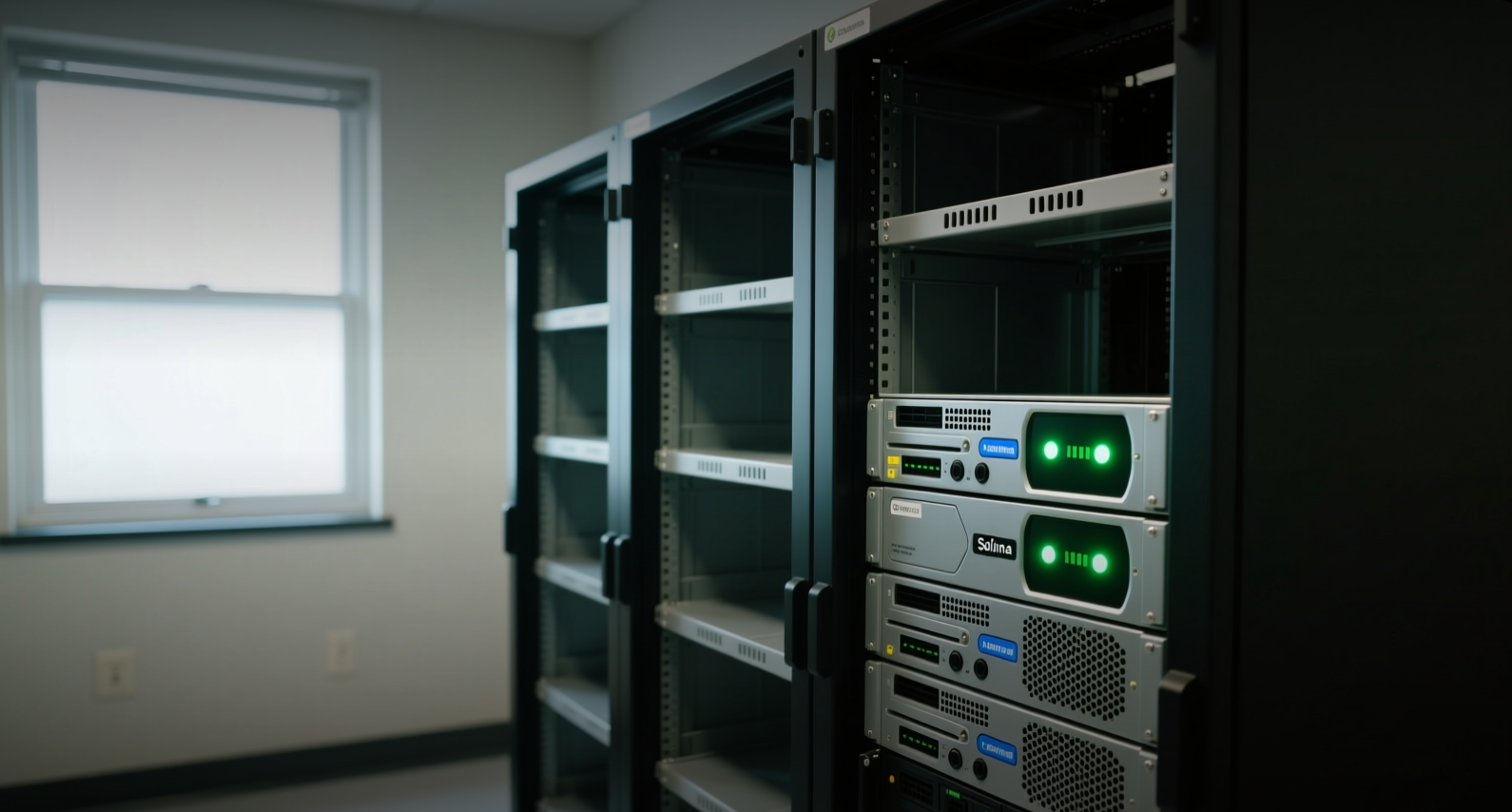
Solana cut testnet rent costs by 90% on Aug. 27, implementing its first rent reduction as the Layer-1 network moves to lower developer entry barriers.
The reduction is intended to enhance Solana's competitive edge by lowering entry barriers for developers, potentially boosting user adoption, according to the protocol's development team.
The move comes as SOL trades near $101 after gaining close to 20% over the past week, tracking a broader market rally. Solana's Alpenglow upgrade pushed throughput toward 65,000 TPS, and Q1 2026 on-chain activity hit $1.1 trillion across 25.3 billion transactions, according to CoinGecko data.
The rent reduction could attract more developers and projects to the ecosystem by lowering onboarding costs, potentially increasing network activity, total value locked, and SOL demand over time. This strengthens Solana's competitive position against other Layer-1 chains including Ethereum and Near Protocol.
The testnet deployment follows a series of protocol upgrades aimed at improving Solana's scalability and developer experience. The Alpenglow upgrade, approved by validators earlier this year, pushed throughput toward 65,000 TPS while cutting latency and validator costs, according to CoinGecko data.
Solana validators are also voting on two supply proposals that could reduce projected emissions by about $1.4 billion to $1.5 billion over six years, according to 21Shares. SGP-0002 would double the annual disinflation rate from -15% to -30%, compressing the timeline to Solana's 1.5% terminal inflation rate from approximately 5.7 years to 2.8 years. SGP-0003 would divide the current 5,000-lamport signature fee into a base inclusion fee and a resource fee that would be burned, potentially raising daily SOL burns from approximately 600-800 SOL to 7,500-9,000 SOL.
The rent reduction on testnet, combined with these supply-side proposals, could strengthen Solana's position against competing Layer-1 networks. Ethereum remains the largest smart contract blockchain with a market cap of $296.26 billion, while Solana's market cap stands at $59.80 billion. Near Protocol, another sharded Layer-1, trades at $1.99 with a market cap of $2.59 billion.
For SOL holders, the testnet rent reduction is a structural improvement that could compound with the supply proposals to make the asset scarcer over time. However, the changes still need to reach mainnet, and broader market conditions will play a significant role in determining whether tighter supply translates into sustained price appreciation.
This article is for informational purposes only and does not constitute investment advice.
