
Key Takeaways:
- Peter Schiff warns the next major crash will start in bonds, not Bitcoin
- The 10-year Treasury yield hit 4.59 percent, a one-month high
- Fed rate hike odds jumped to 70 percent after the Iran ceasefire collapsed
Key Takeaways:
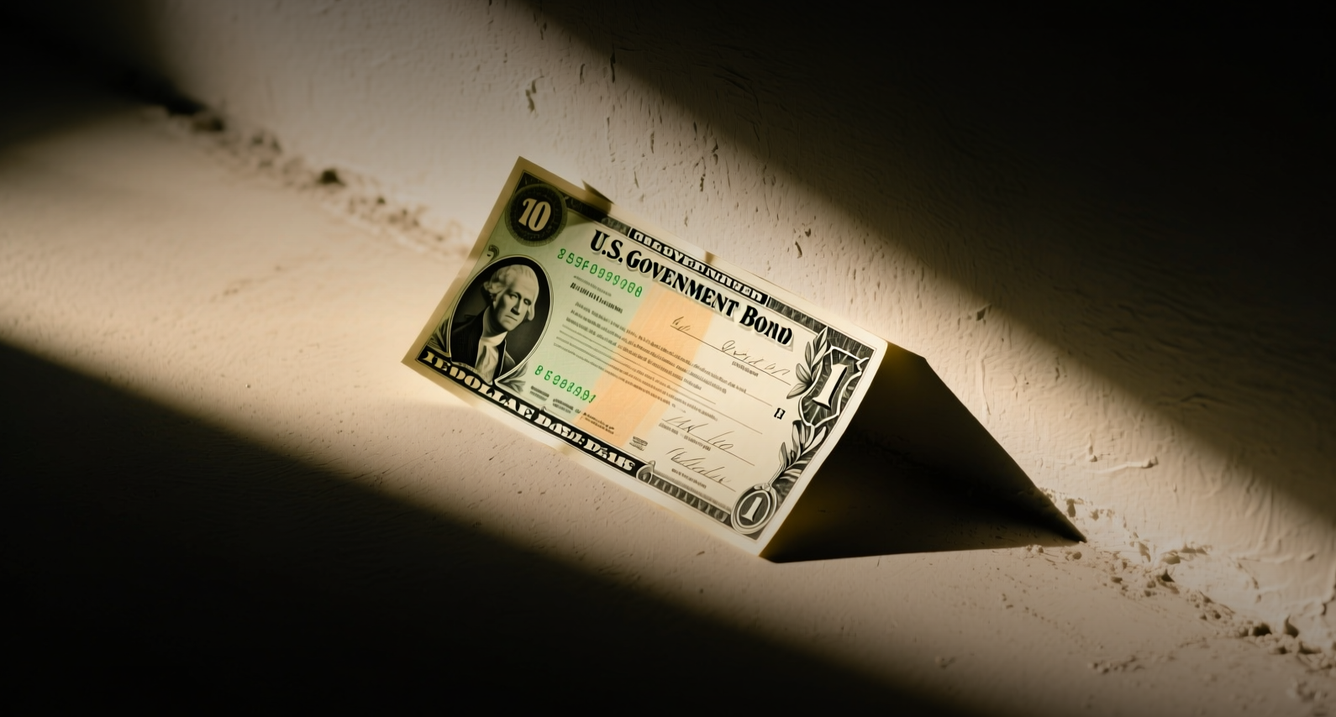
Peter Schiff says the next major market crash will originate in U.S. government bonds, not Bitcoin, as the 10-year Treasury yield surges to a one-month high of 4.59 percent.
The 10-year U.S. Treasury yield climbed to 4.59 percent on Wednesday, its highest in more than a month, after President Donald Trump declared the Iran ceasefire "over," sending oil prices up 6 percent and reigniting inflation fears.
"The bond market is where the next crash will start, not in Bitcoin or stocks," Peter Schiff, chief economist at Euro Pacific Asset Management, said. "Rising yields are breaking the back of the U.S. government's ability to finance its debt."
The yield on the benchmark 10-year note has risen 21 basis points from 4.38 percent a week ago, according to Tradeweb data. Futures markets now price a 70 percent probability that the Federal Reserve will raise its benchmark rate at the Sept. 15-16 meeting, up from 40 percent a month ago. Traders see a nearly 50 percent chance of two quarter-point hikes by year-end.
The breakdown of the U.S.-Iran interim accord threatens to keep oil above $77 a barrel, adding to inflationary pressure that had already kept consumer prices well above the Fed's 2 percent target. For equity and crypto markets, the combination of rising rates, higher energy costs and a stronger dollar creates a trifecta of headwinds that could trigger a broad risk-off rotation.
The yield surge has undermined the safe-haven status of traditional避险 assets. Gold, which peaked in January 2026, has consolidated between $4,400 and $4,700 an ounce, failing to rally during the geopolitical turmoil, according to Bloomberg data. The Japanese yen has depreciated to multi-decade lows even after significant intervention by the Bank of Japan, while U.S. Treasurys themselves — typically the go-to haven during crises — have sold off as investors price in higher inflation and fiscal uncertainty.
Rate Hike Expectations Shift Dramatically
The shift in Fed pricing marks a dramatic reversal from earlier this year, when markets anticipated an easing cycle. The last time the 10-year yield rose this quickly was in September 2025, when it climbed 35 basis points in two weeks following a stronger-than-expected nonfarm payrolls report. That selloff preceded a 3 percent decline in the S&P 500 over the following month.
Edward Yardeni, president of Yardeni Research, told Bloomberg on Wednesday that inflation concerns are "back in play" and that Fed rate hikes are "suddenly looking much more likely." The CBOE Volatility Index rose above 18, indicating heightened investor anxiety, while the CNN Fear & Greed Index fell to 43 from 30 a week earlier, moving into "Fear" territory.
Emerging Markets Feel the Pinch
The impact has been most acute in emerging markets dependent on energy imports. The Indian rupee fell 0.6 percent to 95.56 per dollar, its weakest level in nearly a month, forcing the Reserve Bank of India to intervene via dollar sales from state-run banks. Indian stocks dropped 2 percent, their steepest decline in more than three months, while the yield on the 10-year Indian government bond rose 8 basis points.
"Oil prices are squarely where the focus will be in the near term, alongside any signs of broad strengthening in the dollar," said Dhiraj Nim, economist and FX strategist at ANZ. "As long as oil prices remain elevated, the rupee is likely to face pressure."
The Strait of Hormuz handles about 21 percent of global oil trade, and any disruption to shipping through the chokepoint threatens to push crude prices higher. Brent crude had been trending lower since mid-May, when it topped $112 a barrel, before this week's 6 percent jump.
For Schiff, the bond market's deterioration points to a deeper structural problem. The U.S. government's debt burden, combined with the Fed's need to keep rates elevated to contain inflation, creates a feedback loop that could eventually force the central bank to choose between fighting inflation and backstopping the Treasury market. If that scenario materializes, the spillover into equities, credit and crypto would be severe.
This article is for informational purposes only and does not constitute investment advice.
