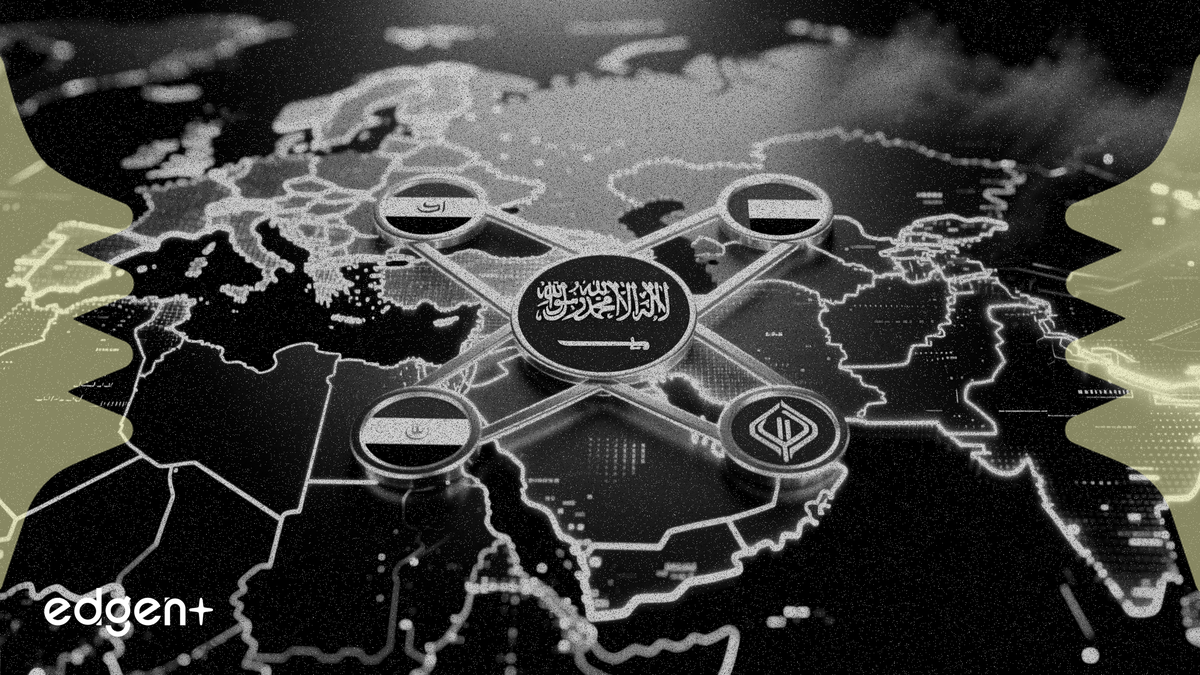
In a significant shift following months of open conflict, Saudi Arabia is spearheading a new regional security framework aimed at establishing clear "red lines" with Iran.
Saudi Arabia is advancing a proposal for a wide-ranging non-aggression treaty with Iran and other Middle Eastern nations, an ambitious plan modeled after the 1970s Helsinki Process. The move aims to reshape the region’s security architecture after months of conflict that saw direct attacks on Gulf state energy facilities and infrastructure.
"In the current political climate, you cannot have Iran and Israel in the same agreement," an Arab diplomat familiar with the discussions said. "Without Israel, this could backfire, because after Iran, Israel is seen as the biggest source of conflict. But Iran is not going away, which is why the Saudis are pushing this."
The diplomatic initiative follows a period of intense shadow warfare, with U.S. officials confirming both Saudi Arabia and the United Arab Emirates recently conducted their own secret military strikes inside Iran. These actions were in retaliation for attacks on at least six Gulf countries by Iran-aligned groups, which prompted a joint letter of condemnation to the United Nations.
At stake is the stability of a region that accounts for over 20% of global oil transit through the Strait of Hormuz. A successful pact could lower geopolitical risk, benefiting Saudi Arabia's $500 billion "Vision 2030" economic diversification plan, but its exclusion of Israel threatens to create a new regional fault line, potentially aligning Gulf states and Iran against Tel Aviv.
A Post-American Security Architecture?
The Saudi-led framework seeks to establish a "regional security community" independent of a singular U.S. security guarantee. Core objectives include preventing attacks on energy infrastructure, ensuring freedom of navigation in the Strait of Hormuz, and creating permanent crisis-communication channels. The proposal is gaining traction with a core group of nations, including Pakistan, Turkey, and Egypt, who are discussing a broader defense cooperation mechanism that could see a Pakistani-Saudi defense pact extended to include Turkey and Qatar.
Israel's Exclusion Creates Diplomatic Hurdle
The most significant obstacle to the treaty is the exclusion of Israel. While necessary to secure Iran's participation, it creates a fundamental dilemma. The UAE, a signatory of the Abraham Accords, has deepened its security cooperation with Israel, making its participation in an Israel-exclusive pact uncertain and highlighting divisions within the Gulf Cooperation Council. This complex dynamic forces Saudi Arabia to balance the immediate need to de-escalate with Iran against the long-term strategic alignments in the region, particularly as Israeli political elites increasingly frame Turkey, a potential partner in the new pact, as a primary regional rival.
This article is for informational purposes only and does not constitute investment advice.