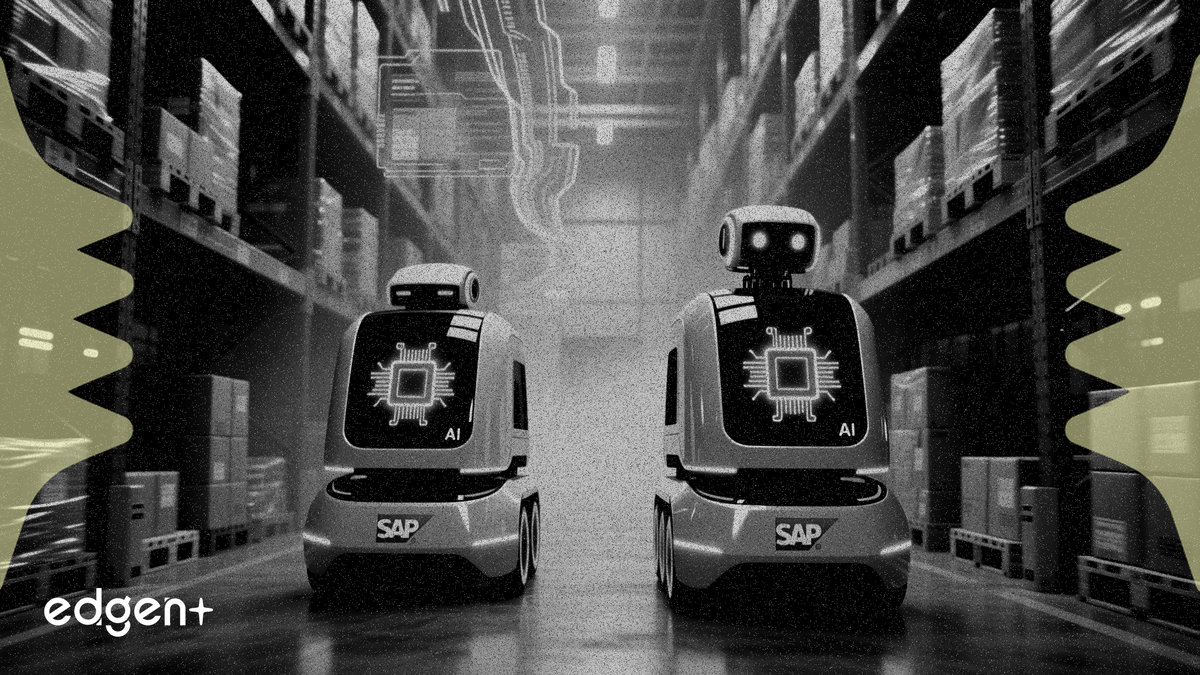
SAP hiện đang sử dụng robot hỗ trợ AI của riêng mình để vận hành các kho hàng, một động thái cho thấy sự chuyển dịch rộng lớn hơn từ các dự án AI thử nghiệm sang việc áp dụng quy mô lớn trong doanh nghiệp.
SAP SE, thông qua quan hệ đối tác với công ty phần mềm robot AI Cyberwave, đã triển khai thành công các robot hoàn toàn tự hành tại kho vận ở St. Leon-Rot, Đức. Sáng kiến này, được công bố vào ngày 11 tháng 5, dựa trên việc mở rộng khả năng AI vật lý (Physical AI) của SAP và cho thấy gã khổng lồ phần mềm doanh nghiệp hiện đang sử dụng công nghệ tiên tiến của chính mình để điều hành các hoạt động nội bộ, cung cấp một bằng chứng thực tế về khái niệm cho khách hàng.
"Bằng cách tích hợp robot hỗ trợ AI trực tiếp vào các hoạt động kho vận thực tế, chúng tôi đang chứng minh rằng AI vật lý không còn là một khái niệm nữa - nó đang mang lại giá trị thực ngay hôm nay," Tim Kuebler, Trưởng bộ phận Kho hàng & Vận chuyển tại SAP, cho biết. "Tại kho hàng St. Leon-Rot của chúng tôi, SAP LGM cung cấp khung xương kỹ thuật số cho phép robot được triển khai nhanh chóng, vận hành tin cậy và mở rộng quy mô cùng với quy trình của chúng tôi."
Việc triển khai tận dụng giải pháp Quản lý Logistics (LGM) dựa trên đám mây của SAP, có kiến trúc ưu tiên API cho phép tích hợp nhanh chóng. Các nhiệm vụ được gửi đến robot thông qua Dịch vụ AI nhúng SAP, kết nối với nền tảng Cyberwave trên Nền tảng Công nghệ Kinh doanh SAP (BTP). Các công ty báo cáo rằng quá trình tích hợp từ đầu đến cuối đã hoàn thành trong vài phút.
Động thái này thể hiện lợi tức đầu tư hữu hình cho AI trong môi trường công nghiệp, nhằm mục đích tăng thông lượng kho bãi và giải phóng nhân viên khỏi các nhiệm vụ lặp đi lặp lại. Đối với SAP, một công ty có vốn hóa thị trường vượt quá 450 tỷ USD, việc triển khai thành công robot trong chuỗi cung ứng phức tạp của chính mình đóng vai trò là một công cụ bán hàng mạnh mẽ cho các giải pháp doanh nghiệp về logistics và AI.
Từ Khái niệm đến Vận hành Thực tế
Việc triển khai của SAP và Cyberwave là một ví dụ điển hình cho xu hướng rộng lớn hơn, nơi các ngành công nghiệp đang chuyển dịch AI từ các thử nghiệm quy mô nhỏ sang các công cụ vận hành toàn doanh nghiệp. Ví dụ, trong lĩnh vực y tế, một báo cáo gần đây của Information Services Group đã lưu ý rằng các tổ chức đang đưa AI vào các quy trình cốt lõi để mang lại "kết quả kinh doanh nhất quán trên quy mô lớn", một quan điểm tương đồng với chiến lược của SAP.
Bằng cách vận hành robot trong môi trường kho bãi thực tế, khó dự đoán, SAP đang chứng minh rằng các nền tảng của họ có thể hỗ trợ quá trình chuyển đổi này. Các robot đang thực hiện các nhiệm vụ có tính biến động cao như gấp thùng, đóng gói các mặt hàng đa dạng và hoàn tất đơn hàng vận chuyển — những công việc vốn khó và tốn kém để tự động hóa trong lịch sử. Việc thực hiện thành công này cung cấp một trường hợp tham chiếu cho hàng nghìn khách hàng đang sử dụng phần mềm logistics của SAP.
Cách Cyberwave Giải quyết các Vấn đề Khó nhất của Robot
Môi trường logistics nổi tiếng là thách thức đối với tự động hóa do sự thay đổi liên tục về vật thể, bố cục và quy trình làm việc. Các hệ thống robot truyền thống yêu cầu các kỹ sư dành hàng tuần hoặc hàng tháng để lập trình thủ công cho các nhiệm vụ cụ thể và các hệ thống này thường thất bại khi điều kiện thay đổi.
Nền tảng của Cyberwave giải quyết vấn đề này bằng cách cho phép những người vận hành không chuyên đào tạo robot thông qua các hướng dẫn đơn giản. Dữ liệu này được sử dụng để tinh chỉnh các mô hình Hành động-Ngôn ngữ-Thị giác (VLA) và Học tăng cường (RL), tạo ra các chính sách có thể khái quát hóa trong các tình huống khác nhau. Theo Simone Di Somma, Đồng sáng lập và Giám đốc điều hành của Cyberwave, điều này giúp giảm thời gian đào tạo từ vài tuần xuống còn vài giờ và cho phép robot học hỏi và thích nghi khi các điều kiện thay đổi. Sự phức tạp ngày càng tăng của các hệ thống AI này đang tạo ra nhu cầu về chuyên môn mới trong các ngành công nghiệp, như đã thấy qua việc ra mắt chứng chỉ SecAI+ của CompTIA cho các chuyên gia quản lý AI trong môi trường an ninh mạng.
Đối với các nhà đầu tư, bước đi của SAP vào lĩnh vực AI vật lý vận hành là một bước tiến quan trọng. Nó không chỉ tạo ra một dòng doanh thu tiềm năng mới từ các giải pháp logistics tiên tiến mà còn thể hiện một lộ trình để cải thiện biên lợi nhuận cho hàng nghìn công ty sản xuất và logistics trong tệp khách hàng của mình. Mặc dù SAP (NYSE: SAP) không tiết lộ các chỉ số tài chính cụ thể cho việc triển khai này, nhưng khả năng cải thiện thông lượng và giảm sự phụ thuộc vào lao động thủ công trong các cơ sở của chính họ cung cấp một trường hợp mạnh mẽ để áp dụng rộng rãi hơn.
Bài viết này chỉ dành cho mục đích thông tin và không cấu thành lời khuyên đầu tư.